
Fire Contained at Goodwin Hotel in Hartford After Blaze Found Inside Exterior Wall
October 25, 2026· Albina Bieci
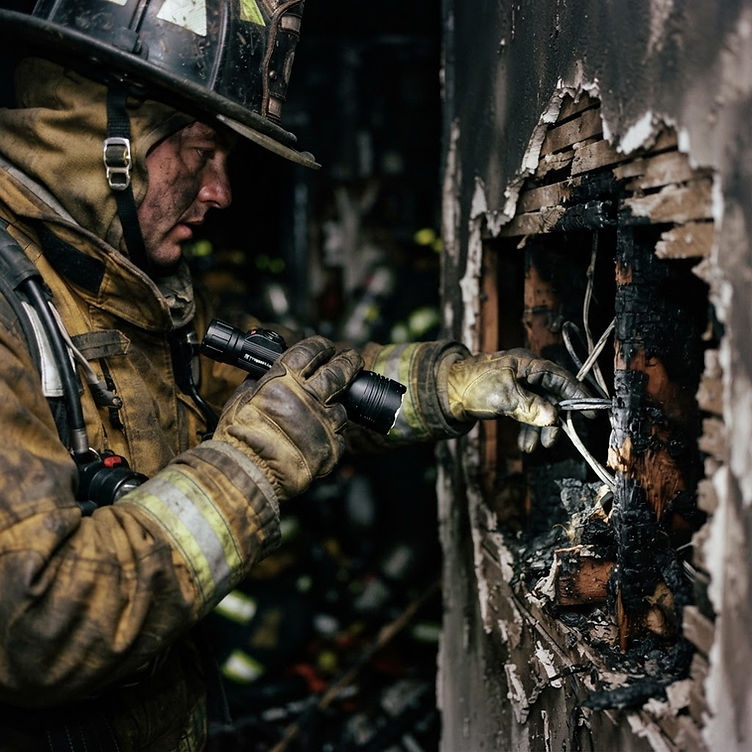
HARTFORD, Conn. — Hartford firefighters responded to the Goodwin Hotel on Haynes Street shortly after noon on Saturday, October 25, 2026, after a report of a smoke condition in the building's basement. The fire was placed under control at 12:53 p.m., approximately fourteen minutes after the initial dispatch at 12:39 p.m., according to the Hartford Fire Department. Fire companies conducted an extensive search of the building and located the fire within an exterior wall on the Haynes Street side of the structure. No injuries were reported, and fire officials stated that no hotel rooms were anticipated to be affected by the incident at this time. The cause and origin remain under active investigation.
Key Facts
- Dispatch time: approximately 12:39 p.m. EDT, Saturday, October 25, 2026
- Fire controlled: 12:53 p.m. EDT — approximately fourteen minutes after dispatch
- Location: Goodwin Hotel, Haynes Street, Hartford, Connecticut
- Fire location: within the decorative wood surrounding an enclosed cast iron support column on the Haynes Street exterior wall
- Suppression: one hose line; thorough overhaul conducted
- Injuries: none reported
- Guest rooms affected: none anticipated at time of reporting
- Cause and origin: under investigation; not yet released
- Source: Hartford Fire Department statements via WFSB Channel 3, Hartford
What We Know
The initial report described a smoke condition in the basement of the Goodwin Hotel, a historically significant property in downtown Hartford. Upon arrival, fire companies conducted an extensive search and located the fire not in the basement itself, but within an exterior wall on the Haynes Street face of the building. Specifically, the fire had ignited and traveled through the decorative wood surrounding an enclosed cast iron support column — a detail that carries meaningful technical significance for both the suppression crews and for the property's subsequent obligations.
Firefighters extinguished the fire using a single hose line and then carried out a thorough overhaul — a systematic dismantling and inspection of the affected wall cavity — to confirm full extinguishment and to determine whether fire had extended further inside the wall assembly. According to Hartford Fire Department officials, overhaul confirmed the fire had not extended beyond the immediate area. No hotel guests or staff sustained injuries, and fire officials expressed confidence that guest rooms would not be directly affected.
The cause and origin of the fire remain under investigation as of the time of this report. No additional details have been released by the fire department or city officials.
What Has Not Been Released
Several material facts remain pending as the investigation proceeds:
- The specific origin point within the wall cavity (i.e., whether the fire started at a mechanical, electrical, or unknown ignition source near or within the column assembly)
- Whether any hot work, maintenance, or construction activity was conducted on or near the Haynes Street wall in the days preceding the incident
- The current status of the hotel's sprinkler system and whether any suppression system components were impaired or activated during the incident
- The extent of structural or material damage to the exterior wall, the cast iron column assembly, or surrounding finishes
- Whether Hartford Fire's investigation will be conducted solely by department investigators or in coordination with the State Fire Marshal's office
- The hotel's current operational status and guest accommodations following the incident
- Whether any fire alarm or detection equipment activated ahead of suppression crews' arrival, or whether the smoke condition was first reported by staff or a guest
WFSB, which first reported the incident, indicated that additional details would be provided as they became available. This article will be updated accordingly.
Technical Analysis: Concealed-Space Fire Behavior and Post-Incident Obligations
The specific fire behavior described in this incident — fire traveling within decorative wood surrounding an enclosed cast iron column, originating from a reported smoke condition in the basement — reflects a well-documented hazard category in older mixed-construction buildings. Cast iron structural elements were common in late-nineteenth and early-twentieth century commercial construction, and decorative or encasing wood finish applied around such columns creates concealed cavities that can sustain and spread fire silently before it becomes visible at any surface.
NFPA 1, the Fire Code, and its companion standard NFPA 101, the Life Safety Code, both address concealed combustible spaces in existing buildings, particularly in structures with historic or legacy construction methods. NFPA 101 Section 8.6 governs construction, special hazard protection, and interior finish in a manner specifically relevant to concealed spaces that can allow fire to travel vertically or horizontally within a wall assembly. When fire enters such a cavity, it can bypass active suppression systems positioned to protect occupied spaces, making the overhaul phase of firefighting operations as important as initial suppression.
NFPA 25, the Standard for the Inspection, Testing, and Maintenance of Water-Based Fire Protection Systems, becomes directly relevant in the aftermath of an incident like this one. When fire companies conduct overhaul operations — which necessarily involve opening wall cavities, removing finish materials, and applying water — the hotel's sprinkler and standpipe systems may have been subjected to conditions that require formal inspection before the property can be declared fully serviceable. NFPA 25 establishes the protocols by which impaired systems must be restored and tested before being returned to service. If any portion of the suppression infrastructure was affected, the property carries a post-incident obligation to document the impairment and schedule inspection under the standard.
NFPA 72, the National Fire Alarm and Signaling Code, similarly governs the post-incident status of fire detection and alarm systems. Smoke detectors, duct detectors, and notification appliances in zones affected by the fire and subsequent overhaul must be confirmed operational before the impairment is closed out. In a hotel environment, this carries particular weight because the life-safety code premise for occupant notification depends on system integrity.
For the period between the fire event and the completion of all system inspections and repairs — however brief — NFPA 25 Section 15 and related impairment management procedures contemplate the use of a fire watch. A fire watch is not merely an informal precaution; it is a formally documented activity in which trained personnel patrol affected areas continuously, maintain a written log, and are prepared to notify the fire department immediately upon discovery of any renewed fire condition. The fourteen-minute suppression window in this incident and the thorough overhaul described by fire officials suggest crews were attentive to this concern, but the formal post-incident fire watch obligation rests with the property owner and operator, not with the responding fire department.
For properties with historic significance — and the Goodwin Hotel qualifies as such — these obligations are amplified. Any repairs to the affected wall cavity will require coordination with applicable building and historic preservation codes, and any work that involves open flame, grinding, or other ignition-capable activities would fall under NFPA 51B, the Standard for Fire Prevention During Welding, Cutting, and Other Hot Work. NFPA 51B requires a fire watch maintained for at least one hour following the completion of hot work in or near combustible materials; in a wall cavity with documented fire history, that minimum standard should be considered a floor rather than a ceiling.
Local Context and USPA Nationwide Security Coverage in Hartford
The Goodwin Hotel is located in downtown Hartford, a city that has seen sustained investment in its historic commercial core. Hotel properties of this class present a particular fire-safety profile: they combine high occupancy loads, legacy construction, complex interior layouts, and around-the-clock operations. When fire events occur — even those controlled as rapidly as Saturday's — the property's obligations under both fire code and insurance policy do not end with the fire department's departure.
USPA Nationwide Security provides fire watch and security guard services throughout Connecticut and maintains operational capability in Hartford. Properties facing post-incident fire watch requirements, sprinkler impairment watches, or enhanced security coverage during repair and restoration work can reach USPA's local team directly. For more information on fire watch services available in the Hartford area, visit USPA Fire Watch Services – Hartford, CT. For security guard coverage during property restoration or ongoing operations, visit USPA Security Guard Services – Hartford, Connecticut.
Properties that experience a concealed-space fire event, regardless of scale, typically face a compressed timeline of obligations: system inspection, structural assessment, repair permitting, and in many cases active fire watch coverage while repairs are underway. Engaging a professional fire watch provider early in that process reduces both liability exposure and the risk of a secondary incident during the repair window.
Property's Next Obligations
Based on publicly available information about the incident and standard post-fire protocols under applicable NFPA standards, the Goodwin Hotel's ownership and management team will likely need to address the following in the near term:
- System integrity verification — Any fire detection, alarm, or suppression system components in or adjacent to the affected wall cavity must be inspected and confirmed operational under NFPA 25 and NFPA 72 before the impairment can be formally closed.
- Structural assessment — The exterior wall assembly, including the cast iron column and its encasing materials, should be assessed by a licensed structural engineer to determine whether the fire affected material integrity.
- Insurance notification and documentation — Most commercial property policies require prompt notification of fire events; documentation of the overhaul, the affected area, and all post-incident inspections will be relevant to any subsequent claim or coverage determination.
- Fire watch during repairs — If wall cavity repairs require hot work, or if any suppression system components remain impaired during a repair period, NFPA 25 and NFPA 51B both contemplate a maintained fire watch. The scope and duration depend on the specific work being performed and the systems involved.
- Cause and origin investigation cooperation — As the Hartford Fire Department's investigation proceeds, property management should preserve the affected area to the extent possible and cooperate with investigators' access requirements.
These obligations are based on standard code requirements and are not specific legal or insurance advice. The property's legal counsel, insurance carrier, and fire protection engineer should be consulted for guidance specific to this incident.
Sources and Open Questions
Primary source: WFSB Channel 3, Hartford — report by Abigail Murillo Villacorta, published October 24–25, 2026, citing Hartford Fire Department statements.
Open questions pending further reporting:
- Whether any hot work or maintenance activity preceded the fire
- Full status of the hotel's fire protection systems during and after the incident
- Whether the State Fire Marshal's office has opened a parallel investigation
- The timeline for reopening all areas of the hotel to normal operations
- Whether historic preservation requirements will affect the scope or timeline of wall cavity repairs
- The precise ignition source, when identified by investigators
This article will be updated as the Hartford Fire Department and other official sources release additional information. Readers with confirmed information relevant to the incident may contact WFSB's newsroom or the Hartford Fire Department's public information office directly.
USPA Nationwide Security provides professional fire watch, security guard, and related protective services across the United States. To discuss coverage for your property in Hartford or elsewhere in Connecticut, call (800) 214-1448 or visit our fire watch services page.
Questions about fire watch, executive protection or guard coverage for your property? Request a quote or call our dispatch line.
More from the blog

Breaking News
Fire Crews Battle Vacant Apartment Building Fire in Kansas City's Wabash Block
Kansas City fire crews responded Sunday morning to a reported apartment building fire in the 2800 block of Wabash, where they encountered smoke and fire coming from a vacant two-story structure. Interior operations were conducted, searches came back all clear, and no injuries were reported. The cause remains under investigation.


Breaking News
Lithium-Ion Battery Fire Displaces Residents at Spokane's Donna Hanson Haven Apartment Building
A lithium-ion battery from an electric bicycle caused a fire on the third floor of Donna Hanson Haven in downtown Spokane on Saturday, October 25, 2026. The Spokane Fire Department evacuated all residents; Catholic Charities Eastern Washington coordinated decontamination, and most tenants returned home the same evening. Seventeen third-floor residents remain displaced with Red Cross support.

Breaking News
Pennsauken, NJ Apartment Building Evacuated After 3-Alarm Fire at Cooper River Apartments
A 3-alarm fire at the Cooper River Apartments on McClellan Avenue in Pennsauken, New Jersey forced the evacuation of roughly 40 residents early Monday morning. One woman jumped from the fifth floor before fire crews arrived and was transported to a local hospital. The cause of the fire has not been released.