
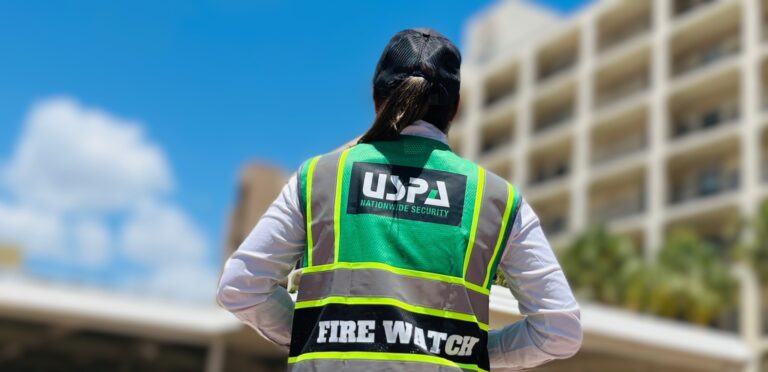
Fire Watch Emergency Service in Fayetteville
24/7 Dispatch: (800) 214-1448
– Over 500K hours annually of certified Fire Watch in Fayetteville.
– Run by Military Veterans & Law Enforcement.
– 50% profits aid missing children.
– Ensuring Destin fire safety regs in Fayetteville.
– Licensed Fayetteville, NC guards for swift 24/7 response.
USPA Nationwide Security offers premier fire watch guards in Fayetteville, accredited by the Chamber of Commerce and certified by OSHA. Their commitment is to ensure adherence to fire safety regulations and provide extensive protection services.
USPA Nationwide Security in the Media
Need Fire Watch Services in Fayetteville, NC Fast? Here’s Why We’re the Best Choice:
Chamber of Commerce A+ Rating: Top-tier business accreditation.
Decades of Excellence: Serving the community since 2005.
Exceptional Google Reviews: Consistent 4.9-star rating across two decades.
Expert Leadership: Led by Brian Fitzgibbons, celebrated keynote speaker and authoritative author on fire prevention.
24/7 Availability: Ready for immediate response around the clock.
Fire Marshal Approval: Fully endorsed by local fire safety authorities.
NFPA Compliance: Adhering to the latest National Fire Protection Association standards.
Choose us for reliable and expert fire watch services in Fayetteville!

Director of Fire Watch Service in Fayetteville
24/7 Dispatch: (800) 214-1448
– Emergency Fire Watch
– Hot Work (NFPA)
– Construction Site (OSHA)
– Fire Suppression System Maintenance
– Scheduled Fire Watch
Fayetteville, North Carolina Fire Watch Service
USPA Nationwide Security in Fayetteville, North Carolina, provides rapid emergency dispatch fire protection services. With an emphasis on immediate response and skilled intervention, our certified professionals guarantee the safety of your property. Accredited by industry standards and equipped with cutting-edge tools, we are prepared to protect against fire hazards while strictly adhering to safety protocols and regulations. Count on USPA Nationwide Security for dependable fire protection solutions customized to your requirements in Fayetteville.

Construction Fire Watch Solutions
USPA Nationwide Security offers customized fire watch services for construction sites in Fayetteville, aligning closely with NFPA 241 guidelines. Our personnel work closely with site management, conducting regular patrols, overseeing hot work, and inspecting fire protection systems. By strictly adhering to NFPA 241 and OSHA standards, USPA ensures that Fayetteville construction sites are adequately prepared for fire emergencies. Our commitment and proficiency make us a reliable partner in fire prevention, enabling stakeholders to prioritize their core operations with confidence.
Trustindex verifies that the original source of the review is Google. Absolute pleasure to work with this group of professionals. Anyone looking for protective or security services would do well to hire USPA or their contractors.Trustindex verifies that the original source of the review is Google. USPA Nationwide Security Was there for us at a desparate time! Their service was fast and professional! I Highly recommend them!Trustindex verifies that the original source of the review is Google. Mike Evans and USPA there are very little words that would convey my gratitude to you and your company in the search for my son Séamus. Without your selflessness and compassion I would not have been able to get through this tragic time. You have brought me less heartache by giving me the knowledge that this was just a tragic accident as opposed to some other sinister act. I breathed easier knowing I had you and your company by my side tirelessly looking for Séamus. Your professionalism is unparalleled and you will always have my undying gratitude. Sincerely, Kerry Rodier GrayTrustindex verifies that the original source of the review is Google. This company embodies integrity and hard work.Trustindex verifies that the original source of the review is Google. These guys are amazing! They are true professionals, they also spend their free time rescuing missing children. You can’t beat an organization like this.Trustindex verifies that the original source of the review is Google. I was invited to a party last week where USPA Security guys were our bodyboards. They were very professional and made sure that we all felt safe during our gathering. I would definitely hire them for my events!Trustindex verifies that the original source of the review is Google. I hired USPA Security company and I could not be any happier. Not only I received the most professional bodyguard team led by Navy Seals and Army Rangers, but I also received close protection for me and my girlfriends. The team is super professional. They actually care and go above and beyond to make sure you feel safe and protected. I was provided with VIP Aircraft and limo services to and from the airport. I received the VIP treatment in every step. I highly recommend USPA Nationwide Security team because they respect their client and their service is exceptional. It is an honor and pleasure to work with the team.Trustindex verifies that the original source of the review is Google. Our company has been fortunate enough to work with USPA extensively over the last year and we cannot voice our appreciation enough. USPA has kept us steadily busy with work and we look forward to working with them for a very long time. Each representative of USPA we’ve been in contact with thus far has been a pleasure to work with and lastly, knowing that some of their profits are donated to some great causes is an incentive to continue working closely with this company. Thank you guys again. MBS TEAMTrustindex verifies that the original source of the review is Google. I AM A PROUD CONTRACTOR WITH THIS ORGANIZATION AND ALL I CAN SAY IS I WILL BE HELPING THEM GET TO THE HIGHEST HEIGHTS POSSIBLE!!! President Manning of USPA has to be one the most honest and genuine men I've met in this industry!!! Marc E Singletary, MBA (DBA 2024)Trustindex verifies that the original source of the review is Google. I have been using USPA as my security contractor for a few years now and their service is exceptional. Dan and Brian are extremely attentive and always able to help with our last-minute projects that fall outside of our main service contract. They provide exceptional oversight, and their communication could not be better. I would fully endorse USPA for any project, whether it be short or long term. This company has excellent values and always adheres to them. You will not be disappointed.
Exceptional Fire Watch Team: Military Veterans, Law Enforcement Officers, and Former Navy SEALs
At USPA Nationwide Security, our exceptional team consists of Military Veterans, Law Enforcement Officers, and Former Navy SEALs. With comprehensive training and practical experience, they bring unparalleled expertise to every security assignment. Whether securing high-profile events, safeguarding critical infrastructure, or ensuring the safety of individuals and properties, our team adheres to the utmost standards of professionalism and dedication. Rely on USPA Nationwide Security for superior security solutions supported by the remarkable abilities of our esteemed personnel.
Your Local Leader in Emergency Fire Watch
24/7 Dispatch: (800) 214-1448
USPA Nationwide Security is recognized as the foremost provider of fire watch services throughout the USA, with multiple branches serving communities nationwide. Our presence in your area guarantees rapid and dependable emergency dispatch of fire guards. Trusted by businesses, organizations, and individuals alike, we deliver unmatched expertise and dedication to fire safety. Rely on USPA Nationwide Security for prompt and reliable fire watch solutions in Fayetteville customized to meet your unique requirements, offering reassurance when it’s most crucial.
Fire Watch vs. Fire Patrol: Knowing the 10 Differences in Fayetteville
1. Definition: Fire watch involves the assignment of personnel to monitor specific areas for fire hazards or signs of fire, while fire patrol typically refers to regular patrols conducted throughout a facility or site to identify and address fire risks proactively.
2. Scope of Coverage: Fire watch typically focuses on specific areas identified as high-risk or where fire safety systems are temporarily impaired, whereas fire patrol covers the entire facility or site to ensure comprehensive fire hazard detection and prevention.
3. Purpose: The primary purpose of fire watch is to maintain continuous vigilance in designated areas to prevent fires or detect them early, while fire patrol aims to identify and mitigate fire hazards throughout the facility to reduce the likelihood of fire incidents.
4. Duration: Fire watch assignments are usually temporary and may last for a specific period or until fire safety systems are restored, whereas fire patrols are conducted regularly as part of ongoing fire prevention efforts.
5. Training Requirements: Fire watch guards typically receive specialized training in fire detection, emergency response, and fire extinguisher operation, while fire patrol personnel may require training in fire prevention techniques, hazard identification, and emergency procedures.
6. Response Protocol: In the event of a fire or fire alarm activation, fire watch guards are trained to respond immediately and initiate emergency procedures, while fire patrol personnel may also play a role in alerting occupants and assisting with evacuation.
7. Documentation: Fire watch activities are usually documented in logs or reports, detailing observations, actions taken, and any incidents encountered during the assignment, whereas fire patrol findings may be documented as part of routine inspection reports or facility maintenance records.
8. Compliance Requirements: Fire watch assignments are often mandated by regulatory agencies or building codes in specific situations, such as during construction, hot work operations, or when fire safety systems are out of service, while fire patrols may be conducted voluntarily or as part of a facility’s fire safety plan.
9. Team Composition: Fire watch teams may consist of dedicated fire watch guards or security personnel assigned to monitor fire hazards, while fire patrol teams may include maintenance staff, security personnel, or designated fire safety officers responsible for conducting regular inspections and patrols.
10. Integration with Fire Safety Plans: Fire watch and fire patrol activities should be integrated into the facility’s overall fire safety plan, with clear protocols for communication, coordination, and response to fire emergencies, ensuring comprehensive fire prevention and protection measures in Fayetteville.
Essential Tips for Fire Safety and Fire Watch in Fayetteville, North Carolina
Stay Safe, Fayetteville: 10 Vital Fire Safety Measures for Every Home
Ensuring fire safety in your Fayetteville home is paramount for protecting your loved ones and property. By implementing these essential measures, you can significantly reduce the risk of fire and increase your family’s safety. Here are 10 vital fire safety tips tailored specifically for Fayetteville residents:
1. Install Smoke Alarms: Equip your home with smoke alarms on every level, including inside and outside sleeping areas. Test them monthly, and replace batteries annually to ensure they’re in working order.
2. Create an Escape Plan: Develop a detailed escape plan with multiple exit routes from each room. Practice this plan regularly with your family, ensuring everyone knows how to react quickly and safely in the event of a fire.
3. Keep Fire Extinguishers Handy: Place fire extinguishers in key areas of your home, such as the kitchen, garage, and near potential fire hazards. Ensure all family members know how to operate them effectively.
4. Maintain Appliances: Regularly inspect and maintain appliances such as stoves, ovens, and heaters to prevent electrical or gas-related fires. Replace damaged cords or faulty components immediately.
5. Properly Store Flammable Materials: Store flammable liquids, such as gasoline, paint, and propane, in well-ventilated areas away from heat sources and ignition points. Use proper containers and keep them tightly sealed.
6. Practice Safe Cooking Habits: Never leave cooking unattended, especially when using the stovetop or oven. Keep flammable objects away from heat sources, and use caution when frying or using oils.
7. Clear Clutter: Keep your home clutter-free, particularly in areas prone to fire hazards, such as attics, basements, and garages. Dispose of unnecessary items and maintain clear pathways for easy evacuation.
8. Install Fire-Resistant Materials: Consider installing fire-resistant materials, such as fire-retardant curtains, carpets, and insulation, to help slow the spread of fire in your home.
9. Supervise Candles and Open Flames: Never leave candles, incense, or open flames unattended. Place them on stable surfaces away from flammable materials, and extinguish them before leaving the room or going to bed.
10. Stay Informed: Stay informed about fire safety regulations and resources available in Fayetteville. Participate in local fire safety events, and educate yourself and your family about fire prevention and emergency procedures.
By implementing these 10 vital fire safety measures, you can help protect your Fayetteville home and loved ones from the devastating effects of fire. Remember, fire safety is everyone’s responsibility, so take proactive steps to ensure your family’s safety and well-being. Stay safe, Fayetteville!
Fire Watch 101: How to Conduct Effective Surveillance in Fayetteville
Fire watch is a critical responsibility aimed at preventing and detecting fires in Fayetteville. Whether you’re a designated fire watch officer or part of a team, mastering effective surveillance techniques is essential. Here’s a comprehensive guide to conducting efficient fire watch in Fayetteville:
1. Understand Your Role: Clarify your responsibilities as a fire watch officer. Know the specific areas and assets you’re tasked with protecting, as well as the procedures to follow in case of fire or emergency.
2. Familiarize Yourself with Regulations: Familiarize yourself with Fayetteville’s fire safety regulations, including building codes, occupancy limits, and evacuation protocols. Compliance is crucial for maintaining a safe environment.
3. Conduct Regular Inspections: Perform routine inspections of your designated area, paying attention to potential fire hazards such as electrical wiring, heating systems, and flammable materials. Document any irregularities and report them promptly.
4. Maintain Vigilance: Stay alert and attentive during your fire watch duty. Remain vigilant for signs of smoke, unusual odors, or other indications of fire, and be prepared to respond swiftly if an emergency arises.
5. Utilize Proper Equipment: Equip yourself with the necessary tools for effective surveillance, including flashlights, communication devices, and fire extinguishers. Ensure all equipment is in good working condition and easily accessible.
6. Establish Communication Channels: Establish clear communication channels with other members of your fire watch team, as well as with local emergency services and building management. Effective communication is essential for coordinated response efforts.
7. Monitor High-Risk Areas: Focus your surveillance efforts on high-risk areas prone to fire hazards, such as kitchens, mechanical rooms, and storage areas. Pay particular attention to areas with recent maintenance or construction activity.
8. Document Incidents and Observations: Keep detailed records of any incidents, observations, or suspicious activities during your fire watch duty. Include the date, time, location, and nature of the event, as well as any actions taken in response.
9. Stay Prepared for Emergencies: Maintain readiness to respond to emergencies by familiarizing yourself with evacuation routes, emergency contacts, and fire suppression techniques. Regular training and drills can help ensure you’re prepared for any scenario.
10. Report and Follow Up: Report any fire-related incidents or concerns immediately to the appropriate authorities, including building management and emergency services. Follow up as needed to ensure that corrective actions are taken promptly.
By following these ten steps, you can conduct effective fire watch surveillance in Fayetteville, contributing to the safety and security of your community. Remember, proactive vigilance is key to preventing and mitigating fire risks, so stay informed, prepared, and vigilant in your fire watch duties.
Fayetteville Fire Prevention: Essential Guidelines for Apartment Dwellers
Living in an apartment in Fayetteville comes with unique fire safety considerations. With multiple households sharing common spaces, it’s essential for every resident to be proactive in preventing fires. Here are some crucial guidelines to help apartment dwellers in Fayetteville enhance fire prevention measures and keep their homes safe:
1. Know Your Building’s Fire Safety Features: Familiarize yourself with the fire safety features of your apartment building, including fire alarms, sprinkler systems, and emergency exits. Understand how these systems work and where they are located.
2. Test Smoke Alarms Regularly: Test the smoke alarms in your apartment regularly to ensure they are functioning correctly. Replace batteries as needed, typically twice a year, and notify building management if any alarms are not working properly.
3. Practice Safe Cooking Habits: The kitchen is a common area where fires can start. Never leave cooking unattended, and keep flammable items, such as dish towels and paper towels, away from the stove. In case of a grease fire, smother the flames with a lid or baking soda rather than water.
4. Avoid Overloading Electrical Outlets: Avoid overloading electrical outlets with too many appliances or devices. Use power strips with built-in surge protectors, and never run electrical cords under rugs or furniture where they can overheat.
5. Dispose of Smoking Materials Properly: If you smoke, always use deep, sturdy ashtrays and never extinguish cigarettes in plant pots or other flammable containers. Make sure cigarettes are fully extinguished before discarding them, and never smoke in bed.
6. Keep Common Areas Clear: Ensure that common areas such as hallways, stairwells, and storage rooms are kept clear of clutter and debris. This allows for safe and unobstructed evacuation routes in case of an emergency.
7. Close Doors at Night: Close bedroom doors at night to help prevent the spread of fire and smoke in the event of a fire. Closed doors can provide valuable time for escape and increase the chances of survival.
8. Report Fire Hazards Promptly: If you notice any potential fire hazards in your apartment building, such as faulty wiring, blocked exits, or malfunctioning smoke alarms, report them to building management immediately. Prompt action can prevent disasters.
9. Develop an Evacuation Plan: Work with your household members to develop a detailed evacuation plan in case of fire. Identify primary and secondary escape routes, designate a meeting point outside the building, and practice the plan regularly.
10. Stay Informed: Stay informed about fire safety guidelines and resources available in Fayetteville. Participate in fire safety training sessions or community events to learn more about preventing fires and responding effectively in emergencies.
By following these essential guidelines, apartment dwellers in Fayetteville can significantly reduce the risk of fires and enhance the safety of their homes and communities. Remember, fire prevention is everyone’s responsibility, so stay vigilant and proactive in keeping your apartment safe from fire hazards.
Fire Safety Education in Fayetteville Schools: Empowering the Next Generation
Fire safety education plays a crucial role in preparing students to respond effectively to fire emergencies and prevent accidents. In Fayetteville schools, empowering the next generation with essential fire safety knowledge is paramount. Here’s how fire safety education in Fayetteville schools is equipping students with the skills they need to stay safe:
1. Curriculum Integration: Fayetteville schools integrate fire safety education into their curriculum, ensuring that students receive age-appropriate instruction on fire prevention, evacuation procedures, and emergency preparedness.
2. Interactive Learning Activities: Engaging students through interactive learning activities makes fire safety education more memorable and impactful. Hands-on demonstrations, role-playing exercises, and group discussions help students understand fire hazards and how to respond safely.
3. Guest Speakers and Demonstrations: Inviting guest speakers from local fire departments or organizations to conduct fire safety demonstrations in schools enhances students’ understanding of fire prevention techniques and the importance of fire safety practices.
4. Fire Drills and Evacuation Procedures: Regular fire drills are conducted in Fayetteville schools to familiarize students with evacuation procedures and emergency protocols. Practicing evacuations in a controlled environment helps students react quickly and calmly in the event of a real fire.
5. Classroom Resources: Teachers utilize a variety of classroom resources, such as videos, posters, and educational materials, to reinforce fire safety concepts and encourage discussions about fire prevention strategies.
6. Home Fire Safety Projects: Assigning home fire safety projects encourages students to apply their knowledge outside of the classroom. Tasks such as creating fire escape plans, inspecting smoke alarms at home, and identifying potential fire hazards empower students to take proactive measures to protect themselves and their families.
7. Community Partnerships: Fayetteville schools collaborate with local fire departments, community organizations, and parent groups to strengthen fire safety education initiatives. These partnerships provide additional resources, support, and expertise to enhance fire safety education efforts in schools.
8. Fire Safety Contests and Events: Hosting fire safety contests, assemblies, and events in schools creates opportunities for students to showcase their knowledge, creativity, and commitment to fire safety. Recognizing and rewarding students for their efforts reinforces the importance of fire safety education.
9. Peer Education Programs: Peer education programs empower students to become fire safety ambassadors within their school communities. Training student leaders to deliver fire safety presentations or mentor their peers fosters a culture of safety and responsibility among students.
10. Lifelong Learning: Instilling fire safety awareness and skills in students at a young age promotes lifelong learning and behavior change. By empowering the next generation with fire safety knowledge, Fayetteville schools are equipping students to make informed decisions and protect themselves and others from fire hazards throughout their lives.
Fire safety education in Fayetteville schools is essential for empowering the next generation with the knowledge, skills, and confidence they need to prevent fires, respond effectively to emergencies, and keep themselves and their communities safe. By investing in fire safety education, Fayetteville schools are helping to create a safer future for all residents.
Neighborhood Watch: Building Community Resilience in Fayetteville
In Fayetteville, fostering a sense of community resilience is essential for enhancing safety and security in neighborhoods. Neighborhood Watch programs play a vital role in empowering residents to collaborate, stay vigilant, and prevent crime and emergencies. Here’s how Neighborhood Watch initiatives are building community resilience in Fayetteville:
1. Establishing Neighborhood Networks: Neighborhood Watch programs bring residents together to form cohesive networks dedicated to promoting safety and security. By fostering connections among neighbors, these programs create a strong support system for addressing local concerns and emergencies.
2. Promoting Awareness and Vigilance: Neighborhood Watch encourages residents to be vigilant and observant of their surroundings. Through regular communication and awareness campaigns, residents learn to recognize suspicious activities, report them promptly, and take proactive measures to prevent crime and emergencies.
3. Engaging Law Enforcement: Neighborhood Watch programs collaborate closely with local law enforcement agencies to exchange information, share resources, and coordinate efforts to address community safety issues. Building trust and partnerships between residents and law enforcement fosters a collaborative approach to crime prevention and emergency response.
4. Conducting Safety Training and Workshops: Neighborhood Watch initiatives offer residents opportunities to participate in safety training sessions, workshops, and seminars. Topics may include home security, emergency preparedness, conflict resolution, and effective communication strategies, empowering residents with the knowledge and skills they need to stay safe.
5. Implementing Crime Prevention Strategies: Neighborhood Watch groups work together to implement crime prevention strategies tailored to their communities’ needs. These may include organizing patrols, installing neighborhood watch signs, improving lighting and visibility, and implementing neighborhood beautification projects to deter criminal activity.
6. Establishing Communication Channels: Effective communication is essential for Neighborhood Watch programs to function successfully. Residents utilize various communication channels, such as social media groups, email lists, phone trees, and neighborhood meetings, to share information, disseminate safety tips, and coordinate activities.
7. Supporting Vulnerable Populations: Neighborhood Watch programs strive to support vulnerable populations, such as seniors, children, and individuals with disabilities, who may be more susceptible to crime and emergencies. Building inclusive and supportive communities ensures that everyone feels safe and valued.
8. Encouraging Community Involvement: Neighborhood Watch encourages active participation and involvement from all residents, regardless of age, background, or experience. By fostering a sense of ownership and responsibility for community safety, residents become proactive agents of change in their neighborhoods.
9. Celebrating Success and Recognition: Neighborhood Watch groups celebrate successes and recognize individuals or teams who contribute to enhancing community resilience. Acknowledging achievements and milestones strengthens community morale and motivates continued engagement and participation.
10. Building Resilient Communities: Ultimately, Neighborhood Watch programs contribute to building resilient communities in Fayetteville by fostering trust, cooperation, and solidarity among residents. By working together to address safety concerns and support one another, neighborhoods become stronger, safer, and more resilient in the face of challenges.
Neighborhood Watch plays a vital role in building community resilience in Fayetteville by empowering residents to collaborate, stay vigilant, and take proactive measures to prevent crime and emergencies. By fostering strong connections, promoting awareness, and engaging in collective action, neighborhoods become safer, more cohesive, and better prepared to face any challenges that may arise.
Additional information about Fire Watch in Fayetteville
Security guards and fire watch services are a dime a dozen. There’s no way to tell which ones are the best, right? USPA Nationwide is different from all of those other security guard companies out there. We have been rated as the number one security service provider in the country for over fifteen years running. Our clients include some of the largest corporations and government entities in America. If you’re looking for a professional security guard company that can handle any job, then look no further than USPA Nationwide Security & Fire Watch Service! Call us at (800) 214-1448 or visit our website today!
Firewatch Company Fayetteville
You need security guards or fire watch service, but you don’t know where to turn. We’ve been in the business for over a decade and we’re rated number one nationwide. Our rates are competitive and our services are unmatched. We can take care of all your security guard needs within 24 hours! Call us today at (800) 214-1448! When it comes to finding a top notch security guard company, look no further than USPA Nationwide Security & Fire Watch Service . With thousands of clients across the country, we have what it takes to deliver quality results every time. Whether you need uniformed officers or unarmed guards for patrol work, we’ll get the job done right while keeping costs low. Give us a call at (800) 214-1448, or fill out our online quote request form today!
(800) 214-1448 – Fayetteville, North Carolina Fire Watch Service. Firewatch Company Fayetteville. Hot Work Fire Guards. Emergency Dispatch Fire Protection Service NC.
Expert Insight on Fire Watch and Fire Prevention in Fayetteville, NC: FAQs Addressed by Brian Fitzgibbons
As a fire safety expert, author, and keynote speaker with extensive experience in fire watch services, I am frequently asked about the specifics of what can and cannot be burned within the City of Fayetteville. Here’s a detailed breakdown that aligns with the Fayetteville City Ordinance Section 11-11 and the North Carolina Fire Prevention Code.
What can I legally burn in Fayetteville?
Recreational Fires:
Definition: Fires 3 feet or less in diameter and 2 feet or less in height used for cooking, warmth, or ceremonial purposes.
Regulations: These fires do not qualify as open burning and do not require a fire code permit.
Safety Measures: Must be at least 25 feet away from structures or combustible materials. Ensure all conditions that could cause the fire to spread are addressed before lighting.
Portable Outdoor Fireplaces/Fire Pits:
Definition: Portable and often made from non-combustible materials like steel or concrete. These can be open or have a small hearth and chimney.
Usage: Follow the manufacturer’s instructions and keep at least 15 feet away from commercial structures or combustible materials (distance requirements vary for single-family dwellings).
Stationary Outdoor Fireplaces and Fire Pits:
Construction: Built on-site and made from materials such as stone, brick, or concrete.
Placement: Ensure a distance of at least 5 feet from property lines and 15 feet from structures, including decks.
Bonfires:
Definition: Larger fires used for ceremonial purposes which exceed the size limits for recreational fires.
Permits: Requires a fire code permit as these are considered open burning.
Safety Protocol: Must not be conducted within 50 feet of a structure or combustible material. A fire engine may be requested to stand by at these events.
Open Burning:
Definition: Includes larger fires like land clearing burns.
Regulation: A fire code permit is mandatory before initiation.
Frequently Asked Questions:
Illegal Burning: If you suspect illegal burning, it’s critical to call 911 immediately to prevent any potential hazards.
Fire Inspection Requests: Contact the Community Risk Reduction Division at 910-433-1730 for fire inspections.
Joining Fayetteville Fire Department: Interested in becoming a firefighter? Reach out to our Training Division at 433-1580. Applications can be submitted through Human Resource Development at 433-1635.
Fire Report Copies: Use the NextRequest platform online. Select “Fire Records Request,” provide necessary details, and submit your email for the file delivery.
Fire Hydrant Issues: Report any operational issues with hydrants to PWC at 910-223-4715 during business hours or 1-877-OUR-PWC1 after hours.
Proximity to Fire Services for Insurance: Use Google Maps to determine the distance to the nearest fire station and hydrant locations via the Fire Stations link on the city’s website.
Fire Station Visits and Safety Talks: Schedule these educational opportunities through the Community Risk Reduction Division at 910-433-1730.
Fire Department Complaints: Concerns about the Fire Department or its personnel should be directed to our contact page, addressed to the Fire Chief.
It’s essential for residents and property owners in Fayetteville to understand these guidelines to ensure compliance and maintain safety. As always, our fire watch efforts are here to support the community, ensuring that all practices align with the highest standards of fire safety.
Frequently Asked Questions about Fire Watch in Fayetteville, North Carolina
Who should I call for Fire Watch in Fayetteville?
Call (800) 214-1448 for Fayetteville, North Carolina Fire Watch
What is the purpose of Fire Watch programs in Fayetteville?
The purpose of Fire Watch programs in Fayetteville is to provide proactive surveillance and monitoring of buildings or areas where there may be an increased risk of fire hazards or emergencies. These programs aim to prevent fires by identifying potential risks, monitoring for signs of smoke or fire, and responding promptly to any incidents. Fire Watch officers play a critical role in enhancing safety and security within Fayetteville buildings by conducting regular patrols, maintaining vigilance, and implementing fire prevention measures as outlined by local regulations and guidelines. Ultimately, the goal is to minimize the risk of fires and protect lives, property, and communities in Fayetteville.
How often are fire drills conducted in Fayetteville buildings with Fire Watch programs?
1. Monthly Fire Drills: Buildings in Fayetteville with Fire Watch programs typically conduct fire drills on a monthly basis. Regular drills ensure that occupants are familiar with evacuation procedures and can respond effectively in case of a fire emergency.
2. Quarterly Schedule: Some buildings may opt for a quarterly fire drill schedule. This frequency allows for adequate practice while minimizing disruption to occupants’ daily routines.
3. Semi-Annual Drills: In certain cases, buildings with Fire Watch programs may conduct fire drills semi-annually. This frequency provides sufficient opportunities for practice while accommodating other operational considerations.
4. Annually with Additional Training: While annual fire drills are the minimum requirement in many jurisdictions, buildings with Fire Watch programs may supplement these drills with additional training sessions throughout the year. This approach ensures that occupants remain prepared and informed about fire safety procedures.
5. Seasonal Considerations: Buildings in Fayetteville may also adjust the frequency of fire drills based on seasonal factors or specific risks, such as extreme weather events or increased occupancy during certain times of the year.
6. Tailored Approach: The frequency of fire drills in buildings with Fire Watch programs may vary depending on factors such as building size, occupancy type, and regulatory requirements. A tailored approach ensures that fire drills are conducted at appropriate intervals to meet the specific needs of each building.
7. Emergency Response Training: In addition to regular fire drills, buildings with Fire Watch programs may provide emergency response training to occupants, including Fire Watch officers. This training enhances preparedness and ensures a coordinated response in the event of a fire or other emergency.
8. Compliance with Regulations: Fire drills conducted in Fayetteville buildings with Fire Watch programs adhere to local fire safety regulations and guidelines. Regular drills help buildings maintain compliance and demonstrate a commitment to safety.
9. Continuous Improvement: Fire drills serve as opportunities for continuous improvement and refinement of emergency response plans. Feedback from drills allows buildings to identify areas for enhancement and implement corrective actions as needed.
10. Collaboration with Fire Authorities: Buildings with Fire Watch programs collaborate closely with local fire authorities to ensure that fire drills are conducted effectively and meet regulatory requirements. This collaboration enhances safety and fosters a culture of preparedness within the community.
What training do Fire Watch officers receive in Fayetteville to conduct effective surveillance?
Fire Watch officers in Fayetteville undergo comprehensive training to equip them with the skills and knowledge necessary to conduct effective surveillance and ensure the safety of buildings and occupants. Here’s an overview of the training they typically receive:
1. Fire Safety Procedures: Fire Watch officers are trained in fire safety protocols, including understanding fire behavior, recognizing potential fire hazards, and implementing appropriate prevention measures.
2. Building Layout Familiarization: Officers become familiar with the layout of the buildings they are responsible for monitoring, including the location of fire alarms, extinguishers, exits, and utility shut-offs.
3. Emergency Response Training: Training includes procedures for responding to various emergency scenarios, such as fires, smoke, gas leaks, and medical emergencies. Officers learn how to assess situations quickly and take appropriate action to protect occupants and property.
4. Surveillance Techniques: Officers are trained in effective surveillance techniques, such as conducting regular patrols, monitoring security cameras, and observing for signs of smoke, fire, or suspicious activity.
5. Communication Skills: Effective communication is essential for coordinating with building occupants, emergency responders, and other stakeholders. Officers receive training in clear and concise communication methods to relay information accurately and efficiently.
6. Use of Equipment: Fire Watch officers are trained to use specialized equipment, such as fire extinguishers, two-way radios, flashlights, and personal protective gear. They learn proper handling and operation procedures to respond effectively to emergencies.
7. Legal and Regulatory Compliance: Officers receive education on relevant laws, regulations, and industry standards pertaining to fire safety and security. This includes understanding local building codes, occupancy limits, and fire prevention measures required by authorities.
8. Conflict Resolution: Training may include techniques for de-escalating conflicts and managing difficult situations that may arise during surveillance duties. Officers learn how to maintain professionalism and resolve disputes peacefully.
9. Continual Education and Updates: Fire Watch officers participate in ongoing training sessions to stay updated on new procedures, technologies, and best practices in fire safety and surveillance. Continuing education ensures that officers remain competent and effective in their roles.
10. On-the-Job Training: Hands-on experience is an integral part of Fire Watch officer training. New recruits typically undergo supervised on-the-job training to apply their knowledge in real-world scenarios and gain practical skills under the guidance of experienced mentors.
By receiving comprehensive training in these areas, Fire Watch officers in Fayetteville are prepared to conduct effective surveillance, respond to emergencies, and contribute to the safety and security of buildings and communities.
How are potential fire hazards identified and addressed during Fire Watch patrols in Fayetteville?
During Fire Watch patrols in Fayetteville, Fire Watch officers are trained to identify and address potential fire hazards through systematic inspections and vigilant observation. Here’s how they typically accomplish this:
1. Systematic Inspections: Fire Watch officers conduct thorough inspections of the areas they are responsible for, including building interiors, exteriors, and surrounding grounds. They systematically examine various elements, such as electrical systems, heating and cooling equipment, storage areas, and common spaces, to identify potential fire hazards.
2. Hazard Recognition: Officers are trained to recognize common fire hazards, such as faulty wiring, overloaded electrical outlets, improper storage of flammable materials, blocked or obstructed exits, and malfunctioning equipment. They pay close attention to signs of wear and tear, damage, or irregularities that may pose a risk of fire.
3. Documentation: Fire Watch officers document their observations and findings during patrols, noting any identified hazards, deficiencies, or areas of concern. Detailed documentation ensures that issues are properly recorded and can be addressed promptly by building management or maintenance personnel.
4. Immediate Remediation: When potential fire hazards are identified during patrols, Fire Watch officers take immediate action to address them whenever possible. This may involve correcting minor issues on the spot, such as removing combustible materials from ignition sources or reporting maintenance issues for prompt repair.
5. Communication with Authorities: If Fire Watch officers encounter significant or imminent fire hazards that require urgent attention, they communicate directly with building management, property owners, or emergency services to coordinate appropriate responses. Quick communication helps ensure that hazards are addressed in a timely manner to prevent emergencies.
6. Follow-Up Procedures: After addressing immediate concerns, Fire Watch officers follow up with building management or relevant stakeholders to ensure that corrective actions are taken to mitigate identified hazards. They may provide recommendations for long-term solutions or ongoing maintenance to prevent future fire risks.
7. Education and Awareness: Fire Watch officers may also use their patrols as opportunities to educate building occupants about fire safety practices and the importance of hazard prevention. By raising awareness and promoting proactive measures, they empower individuals to contribute to a safer environment.
8. Collaboration with Authorities: Fire Watch officers collaborate closely with local fire departments, building inspectors, and regulatory agencies to address fire hazards effectively and ensure compliance with safety regulations. Building strong partnerships facilitates coordinated efforts to enhance fire prevention and emergency preparedness.
By employing these strategies, Fire Watch officers in Fayetteville play a crucial role in identifying and addressing potential fire hazards during patrols, ultimately contributing to the safety and security of buildings and occupants.
What role do Fayetteville residents play in supporting Fire Watch efforts in their communities?
Fayetteville residents play several important roles in supporting Fire Watch efforts in their communities:
1. Vigilance and Reporting: Residents are encouraged to remain vigilant and report any signs of fire hazards or suspicious activity to Fire Watch officers or building management. Early detection and reporting can help prevent potential emergencies and ensure prompt response.
2. Compliance with Fire Safety Guidelines: Residents are expected to comply with fire safety guidelines and regulations set forth by local authorities. This includes following building codes, maintaining smoke alarms, keeping exits clear, and avoiding behaviors that increase fire risk.
3. Participation in Fire Drills: Residents are encouraged to actively participate in fire drills conducted by Fire Watch programs. By practicing evacuation procedures and familiarizing themselves with emergency protocols, residents can contribute to a safer and more prepared community.
4. Communication and Cooperation: Residents should maintain open communication with Fire Watch officers, building management, and fellow residents. Sharing information about fire safety concerns, addressing maintenance issues promptly, and cooperating during emergencies are essential for effective fire prevention and response.
5. Fire Safety Education: Residents can take proactive steps to educate themselves and their families about fire safety practices. This may include attending fire safety workshops, learning how to use fire extinguishers, creating home evacuation plans, and teaching children about fire prevention.
6. Community Engagement: Residents can actively participate in community events and initiatives aimed at promoting fire safety awareness. By volunteering for Neighborhood Watch programs, attending community meetings, and supporting local fire prevention campaigns, residents contribute to building a culture of safety and resilience in their neighborhoods.
7. Emergency Preparedness: Residents should take steps to prepare themselves and their households for potential fire emergencies. This may involve assembling emergency kits, designating evacuation routes, establishing communication plans, and staying informed about local emergency procedures.
8. Supporting Fire Watch Funding and Resources: Residents can advocate for adequate funding and resources to support Fire Watch programs in their communities. By recognizing the importance of fire prevention efforts and supporting initiatives that enhance safety, residents help ensure the effectiveness and sustainability of Fire Watch efforts.
Fayetteville residents play a crucial role in supporting Fire Watch efforts by actively engaging in fire safety practices, fostering a culture of preparedness, and working collaboratively with Fire Watch officers and community stakeholders to create safer and more resilient neighborhoods.
What are the consequences of non-compliance with fire alarm system regulations?
Non-compliance with fire alarm system regulations can result in fines, penalties, legal liabilities, and denial of insurance coverage. It can also jeopardize the safety of occupants and property by reducing the effectiveness of fire detection and response systems.
Review of Fayetteville, NC’s Fire Protection System Impairment Program
Written By: Brian Fitzgibbons, Director of Fire Watch
As the Director of Fire Watch at USPA Nationwide Security and a committed advocate for fire safety, I am consistently impressed by robust and comprehensive safety initiatives like the Fire Protection System Impairment Program in Fayetteville, NC. As someone deeply involved in fire watch services and fire safety education, I recognize the critical importance of maintaining high safety standards, especially during periods when fire protection systems are impaired. The Fayetteville program exemplifies best practices in the industry and serves as a model for other cities to follow.
Key Strengths of the Fayetteville Fire Protection System Impairment Program:
Proactive Safety Measures: The program is meticulously designed to maintain safety during both planned and emergency impairments of fire protection systems. The requirement for immediate notification to the fire department and the code official ensures that all necessary parties are informed and can respond quickly to maintain safety standards.
Comprehensive Training and Compliance: I am particularly impressed with the emphasis on training and compliance. The mandate that fire watch staff must be trained through the Fayetteville Fire Department Impairment/Fire Watch training program, or an equivalent, ensures that individuals are well-prepared to handle the unique challenges presented when fire systems are offline. This is crucial for ensuring the safety of property and building occupants.
Regular and Rigorous Monitoring: The stipulation for fire patrol tours every 30 minutes, and even more frequently in high-risk areas, is an excellent practice. This frequent monitoring helps to quickly identify and mitigate risks, which is essential during the impairment of fire protection systems.
Clear Communication and Documentation: The program’s focus on clear communication and thorough documentation through fire watch logs provides transparency and accountability. This not only facilitates better management during impairments but also enhances the overall effectiveness of the fire watch process.
Well-Structured Impairment Coordination: The role of an impairment coordinator is a standout feature of the program. Having a designated individual responsible for overseeing the impairment process ensures that nothing is overlooked and that all procedural steps are followed meticulously. This role is vital in coordinating between various stakeholders and maintaining the integrity of the fire safety measures in place.
Emergency Preparedness and Response: The detailed guidelines for handling emergency impairments demonstrate a well-thought-out approach to unexpected situations. The ability to quickly implement a fire watch or order an evacuation shows a readiness to act swiftly, which is paramount in preventing potential disasters.
The Fire Protection System Impairment Program in Fayetteville, NC, is a testament to the city’s commitment to maintaining stringent safety standards even under challenging conditions. This program not only protects properties and lives but also serves as an educational framework for other regions to enhance their fire safety protocols. As a professional deeply invested in fire safety, I applaud Fayetteville for its proactive approach and thorough implementation of such a critical safety program. Facilities and safety personnel in Fayetteville can feel confident knowing they have a robust system designed to effectively manage and mitigate risks associated with fire system impairments.
Related Fire Watch Links
Introduction to Fire Watch eBook (Free)
Fire Watch Plans (Free)
Top 15 Crucial NFPA and OSHA Regulations for Construction Site Fire Watch
Fire Watch Seminar (for hotels)