
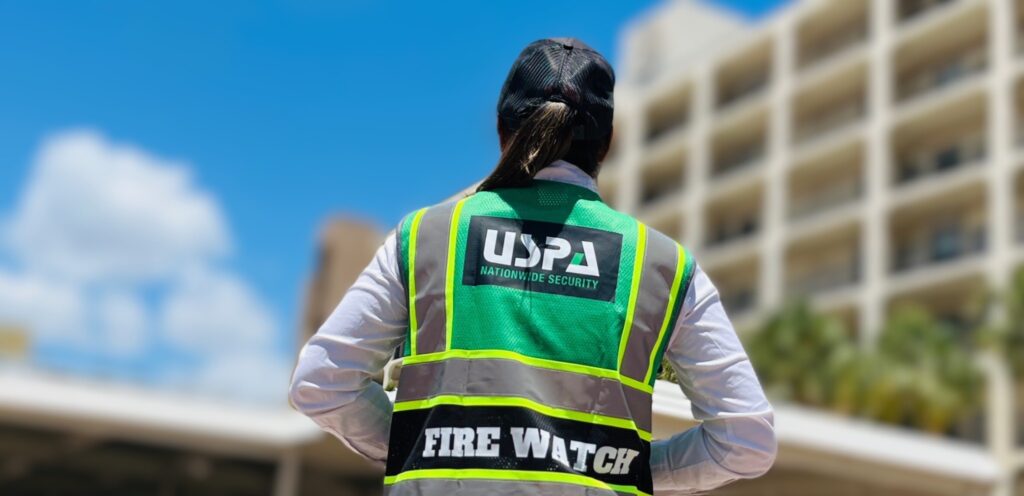
Emergency Fire Watch in Columbus, OH (Open Now)
Open 24hrs: (800) 214-1448
In a Rush? Key Takeaways:
– Open Now: Over 500,000 hours of annual Fire Watch service provided.
– Top Rated: 4.9 Google Rating, Led by Military Veterans & former Navy SEAL’s.
– Online Estimates: Instant dispatch of Fire Watch Guards
– Fire Experts: Adherence to NFPA 51B and OSHA standards
– NFPA: Industry leaders in Fire Watch services since a decade
– Insured $3M: A+ Rated Fire Watch Service near Columbus, Ohio
USPA Nationwide Security delivers top rated fire watch services in Columbus, Ohio, guaranteeing the protection of properties and individuals. Our expertly trained personnel are adept at managing fire-related crises, offering continuous surveillance and immediate intervention. Recognized by esteemed entities like Forbes, our track record underscores our reliability and unwavering dedication to quality.
Trustindex verifies that the original source of the review is Google. Absolute pleasure to work with this group of professionals. Anyone looking for protective or security services would do well to hire USPA or their contractors.Trustindex verifies that the original source of the review is Google. USPA Nationwide Security Was there for us at a desparate time! Their service was fast and professional! I Highly recommend them!Trustindex verifies that the original source of the review is Google. Mike Evans and USPA there are very little words that would convey my gratitude to you and your company in the search for my son Séamus. Without your selflessness and compassion I would not have been able to get through this tragic time. You have brought me less heartache by giving me the knowledge that this was just a tragic accident as opposed to some other sinister act. I breathed easier knowing I had you and your company by my side tirelessly looking for Séamus. Your professionalism is unparalleled and you will always have my undying gratitude. Sincerely, Kerry Rodier GrayTrustindex verifies that the original source of the review is Google. This company embodies integrity and hard work.Trustindex verifies that the original source of the review is Google. These guys are amazing! They are true professionals, they also spend their free time rescuing missing children. You can’t beat an organization like this.Trustindex verifies that the original source of the review is Google. I was invited to a party last week where USPA Security guys were our bodyboards. They were very professional and made sure that we all felt safe during our gathering. I would definitely hire them for my events!Trustindex verifies that the original source of the review is Google. I hired USPA Security company and I could not be any happier. Not only I received the most professional bodyguard team led by Navy Seals and Army Rangers, but I also received close protection for me and my girlfriends. The team is super professional. They actually care and go above and beyond to make sure you feel safe and protected. I was provided with VIP Aircraft and limo services to and from the airport. I received the VIP treatment in every step. I highly recommend USPA Nationwide Security team because they respect their client and their service is exceptional. It is an honor and pleasure to work with the team.Trustindex verifies that the original source of the review is Google. Our company has been fortunate enough to work with USPA extensively over the last year and we cannot voice our appreciation enough. USPA has kept us steadily busy with work and we look forward to working with them for a very long time. Each representative of USPA we’ve been in contact with thus far has been a pleasure to work with and lastly, knowing that some of their profits are donated to some great causes is an incentive to continue working closely with this company. Thank you guys again. MBS TEAMTrustindex verifies that the original source of the review is Google. I AM A PROUD CONTRACTOR WITH THIS ORGANIZATION AND ALL I CAN SAY IS I WILL BE HELPING THEM GET TO THE HIGHEST HEIGHTS POSSIBLE!!! President Manning of USPA has to be one the most honest and genuine men I've met in this industry!!! Marc E Singletary, MBA (DBA 2024)Trustindex verifies that the original source of the review is Google. I have been using USPA as my security contractor for a few years now and their service is exceptional. Dan and Brian are extremely attentive and always able to help with our last-minute projects that fall outside of our main service contract. They provide exceptional oversight, and their communication could not be better. I would fully endorse USPA for any project, whether it be short or long term. This company has excellent values and always adheres to them. You will not be disappointed.
Led by a Renowned Fire Expert (Keynote Speaker, Author)

Brian Fitzgibbons oversees our fire watch and security guard contracts in the Ohio region.
Office: (800) 214-1448
– Construction Fire Watch in Columbus, Ohio
– Fire Suppression System Failure
– Hot Work & Welding Fire Watch
– Scheduled Maintenance (fire systems)
– Residential/Commercial Properties
The Significance of Fire Watch in Columbus, Ohio
Columbus, Ohio requires stringent security measures to ensure the safety of its residents and visitors alike. Fire watch security is a crucial aspect of overall security protocols for businesses and residences. This is particularly important in areas frequented by tourists, where maintaining a secure environment is paramount. Expert fire watch services in Columbus play a pivotal role in safeguarding tourists, properties, and assets in such vibrant locales. USPA Nationwide Security offers a comprehensive range of fire watch services tailored to the specific needs of Columbus, OH. Leveraging decades of experience and cutting-edge equipment, we provide essential fire watch services, including hot work fire watch, welding fire watch, and fire guard services. Our professional technicians are adept at handling hot work fire watches, ensuring they are well-prepared and equipped to address any fire-related risks effectively. We prioritize the safety of our staff, ensuring they are adequately protected against potential fire hazards.
Industrial Fire Watch Service in Columbus, Ohio
USPA Nationwide Security’s Industrial Fire Watch Service in Columbus, Ohio, diligently adheres to the guidelines set forth by the National Fire Protection Association (NFPA) in NFPA 51B. This standard provides comprehensive directives for fire prevention during hot work operations, ensuring effective mitigation of potential fire hazards. By strictly following NFPA 51B, USPA ensures that their fire watch personnel in Columbus receive extensive training and are equipped to promptly address any fire-related emergencies.
USPA Nationwide Security's Commitment to OSHA Compliance in Columbus, Ohio
USPA Nationwide Security understands the importance of adhering to Occupational Safety and Health Administration (OSHA) regulations to enhance workplace safety. Their industrial fire watch service in Columbus, Ohio, rigorously complies with OSHA standards, encompassing elements such as fire extinguisher accessibility, evacuation procedures, and emergency response protocols. Through strict adherence to OSHA guidelines, USPA Nationwide Security’s fire watch service in Columbus ensures the implementation of essential precautions to prevent fires and efficiently mitigate potential risks.
Fire Safety Standards: NFPA Codes in Columbus, Ohio
24/7 Dispatch: (800) 214-1448
NFPA 1, known as the Fire Code, provides a comprehensive framework for fire prevention, inspection, and code enforcement. It encompasses various aspects of fire safety, including building construction, occupancy classifications, and fire protection systems.
Application: The code applies to all types of buildings and occupancy types in Columbus, Ohio. It addresses the design, installation, operation, and maintenance of fire protection systems, ensuring they are effective in preventing fires and protecting lives and property.
Significance: By adopting NFPA 1, Columbus ensures that fire safety measures are standardized across the city, enhancing public safety and reducing the risk of fire incidents. This code serves as the basis for local fire prevention regulations and enforcement practices.
Overview: The NFPA 101 Life Safety Code is specifically focused on ensuring the safety of building occupants from fire and other emergencies. It covers a wide range of safety measures, including egress routes, emergency lighting, and occupancy classifications.
Provisions:
– Egress: Ensures that buildings have adequate and accessible exit routes for safe evacuation during emergencies.
– Emergency Lighting: Mandates the installation of emergency lighting systems to illuminate exit pathways.
– Occupancy Classification: Defines various occupancy types and their specific safety requirements.
Significance: NFPA 101 is crucial for safeguarding lives in various buildings, from residential complexes to commercial properties. Its stringent requirements help minimize risks and ensure that occupants can evacuate safely in case of a fire or other emergencies.
Overview: NFPA 13 provides detailed guidelines for the design, installation, and maintenance of automatic sprinkler systems. These systems are critical for controlling and extinguishing fires, thereby reducing damage and saving lives.
Requirements:
– Design: Specifies the design parameters for sprinkler systems, including water supply, pipe sizing, and sprinkler head placement.
– Installation: Details the proper installation procedures to ensure system effectiveness.
– Maintenance: Outlines regular maintenance and inspection schedules to keep systems operational.
Significance: Adhering to NFPA 13 in Columbus enhances the fire protection capabilities of buildings. Properly installed and maintained sprinkler systems can significantly reduce fire damage and improve safety for occupants.
Overview: NFPA 72 covers the installation, performance, and maintenance of fire alarm systems and emergency communication systems. It ensures that fires are detected promptly and that building occupants and emergency responders are notified without delay.
Provisions:
– Detection: Specifies the types and placement of fire detection devices, such as smoke detectors and heat sensors.
– Notification: Details the requirements for alarm signaling, including audible and visual alarms.
– Maintenance: Requires regular testing and maintenance of alarm systems to ensure they function correctly when needed.
Significance: Compliance with NFPA 72 in Columbus ensures that fire alarms are reliable and effective. This code helps prevent fire-related injuries and fatalities by providing early warning and facilitating quick evacuation and response.
Overview: NFPA 25 sets the standards for the inspection, testing, and maintenance of water-based fire protection systems, including sprinkler systems, standpipes, and fire pumps. These systems are essential for providing a reliable water supply during fire emergencies.
Requirements:
– Inspection: Mandates regular visual inspections to identify any visible issues with the systems.
– Testing: Specifies periodic testing procedures to ensure all components function correctly.
– Maintenance: Details the maintenance activities required to keep the systems operational, including cleaning, repairing, and replacing parts as necessary.
Significance: NFPA 25 is vital for maintaining the integrity and performance of water-based fire protection systems in Columbus. Regular inspections and maintenance help prevent system failures during emergencies, ensuring effective fire suppression and protection.
Conclusion
Understanding and adhering to these NFPA codes is essential for enhancing fire safety standards in Columbus, Ohio. Each code addresses specific aspects of fire prevention and protection, ensuring a comprehensive approach to safeguarding lives and property. By implementing these standards, Columbus can effectively mitigate fire risks and ensure a safer environment for its residents and businesses.
Analysis of Columbus Fire Codes and Their Impact on Fire Watch Services
By: Brian Fitzgibbons, Fire Safety Expert
Columbus, Ohio, adheres to a stringent set of fire codes designed to ensure the safety and security of its residents and infrastructure. This white paper provides an in-depth analysis of these fire codes and examines how they influence the implementation and operation of fire watch services in the region. Utilizing the 2021 International Fire Code (IFC) as a benchmark, this document will compare local fire safety regulations, explore the requirements for fire watch services, and highlight the critical components of fire suppression systems and fire panels within Columbus, Ohio.
Overview of Columbus Fire Codes
History and Evolution of Fire Codes in Columbus
Columbus’s fire codes have evolved significantly over the years, influenced by both local needs and national standards. The adoption of the 2021 International Fire Code (IFC) has played a crucial role in shaping the city’s approach to fire safety, bringing Columbus in line with best practices and contemporary safety measures.
Core Components of Columbus’s Fire Codes
Columbus’s fire codes encompass a wide range of safety measures designed to prevent fire incidents and ensure rapid response in the event of an emergency. These measures include the installation and maintenance of fire suppression systems, the use of advanced fire panels, and strict guidelines for building construction and occupancy.
Fire Watch Services in Columbus, Ohio
Definition and Purpose of Fire Watch
A fire watch service is an essential component of Columbus’s fire safety strategy. It involves the deployment of trained personnel to monitor a building or area for signs of fire or hazardous conditions, especially when fire suppression systems are inoperative or during high-risk activities.
Regulatory Requirements for Fire Watch Services
Columbus’s fire codes stipulate specific conditions under which a fire watch service must be employed. These conditions typically arise when automatic fire protection systems are compromised, during construction activities, or when a building’s fire alarm system is out of service for an extended period.
Responsibilities of Fire Watch Personnel
Fire watch personnel in Columbus are tasked with continuous surveillance of the designated area, maintaining clear and open communication with local fire departments, and ensuring that all fire safety equipment is operational. They must also be prepared to initiate emergency procedures if a fire is detected.
Comparative Analysis: Columbus vs. International Fire Code
Alignment with the 2021 International Fire Code
Columbus’s fire codes are closely aligned with the 2021 IFC, ensuring that the city’s regulations meet high standards of fire safety. This alignment facilitates uniformity in fire safety practices and enables Columbus to benefit from the latest advancements in fire prevention and suppression technologies.
Key Differences and Local Adaptations
While Columbus’s fire codes are largely consistent with the IFC, there are specific adaptations that address local needs and conditions. These differences may include additional requirements for certain types of buildings, unique occupancy classifications, or specific mandates for fire watch services in areas with a high risk of fire incidents.
Impact of Fire Codes on Fire Suppression Systems
Types of Fire Suppression Systems Required
Columbus’s fire codes mandate the use of various fire suppression systems, depending on the building type and occupancy. These systems may include automatic sprinklers, standpipe systems, and specialized suppression technologies for high-hazard areas.
Installation and Maintenance Standards
The installation and maintenance of fire suppression systems in Columbus must adhere to strict guidelines to ensure their effectiveness. Regular inspections, testing, and servicing are required to maintain the operational readiness of these systems, with detailed records kept for review by fire safety authorities.
Fire Panels and Alarm Systems
Role of Fire Panels in Fire Safety
Fire panels are central to Columbus’s fire safety infrastructure, serving as the nerve center for fire detection and alarm systems. These panels monitor various sensors and devices, providing real-time information on fire conditions and triggering appropriate responses.
Technological Advances and Compliance
Advancements in fire panel technology have enhanced their functionality and reliability. Columbus’s fire codes require that these systems incorporate the latest features, such as addressable fire panels, which provide precise information on the location of fire incidents, facilitating faster and more effective emergency response.
Fire Watch Service Providers in Columbus
Criteria for Certification and Insurance
Fire watch service providers in Columbus must meet rigorous certification and insurance requirements to operate legally. These criteria ensure that service providers are qualified, competent, and adequately insured to handle the responsibilities associated with fire watch duties.
Role of USPA Nationwide Security
USPA Nationwide Security is a prominent provider of fire watch services in Columbus. With a reputation for reliability and professionalism, USPA’s certified and insured fire watch personnel are well-equipped to meet the city’s stringent fire safety standards.
Future Directions in Fire Safety for Columbus
Emerging Trends in Fire Safety Technology
The future of fire safety in Columbus will likely be shaped by emerging technologies, such as smart fire detection systems, integrated building safety solutions, and advanced firefighting equipment. These innovations have the potential to further enhance the city’s fire safety infrastructure and reduce the risk of fire incidents.
Policy Developments and Regulatory Changes
As fire safety standards continue to evolve, Columbus may see updates to its fire codes and regulations. These changes will aim to incorporate the latest best practices and technological advancements, ensuring that the city remains at the forefront of fire safety. Columbus, Ohio’s commitment to fire safety is evident in its robust fire codes and the implementation of comprehensive fire watch services. By aligning with the 2021 International Fire Code and adopting advanced fire suppression and detection technologies, Columbus continues to safeguard its residents and properties. The ongoing collaboration between fire watch service providers, local authorities, and the community is essential to maintaining a high standard of fire safety and preparedness. This analysis underscores the critical role of fire watch services in Columbus’s fire safety strategy and highlights the importance of adhering to stringent fire codes to protect lives and property.
For more information on fire watch services in Columbus, Ohio, visit Fire Watch Service in Columbus Ohio.
Case Studies: Successful Fire Safety Compliance in Columbus, Ohio
Case Study 1: The Scioto Mile Office Complex
Overview: A high-rise office building along the Scioto Mile implemented comprehensive fire safety measures, adhering to both local Columbus fire codes and NFPA standards.
Key Actions:
– Installed advanced automatic sprinkler systems in accordance with NFPA 13.
– Integrated state-of-the-art fire alarm systems per NFPA 72.
– Conducted regular fire drills and employee training sessions.
Outcome: The building achieved full compliance with fire safety regulations, significantly reducing fire risk and ensuring occupant safety.
Case Study 2: Nationwide Children’s Hospital
Overview: Nationwide Children’s Hospital undertook extensive fire safety upgrades to protect its patients and staff.
Key Actions:
– Upgraded fire suppression systems, including the installation of automatic sprinklers and fire alarms.
– Implemented a rigorous maintenance schedule for all fire protection equipment.
– Established clear evacuation routes and emergency lighting per NFPA 101.
Outcome: The hospital has maintained exemplary fire safety records, ensuring continuous protection for all occupants.
Case Study 3: Easton Town Center
Overview: Easton Town Center, a major retail complex, adopted robust fire safety practices to safeguard shoppers and employees.
Key Actions:
– Installed comprehensive smoke control systems in large atrium areas.
– Regularly inspected and maintained fire protection systems following NFPA 25 guidelines.
– Employed fire watch services during peak times and high-risk activities.
Outcome: Easton Town Center has successfully prevented fire incidents and maintained compliance with both local and national fire safety regulations.
Case Study 4: Columbus Convention Center
Overview: The Columbus Convention Center enhanced its fire safety protocols to manage large crowds and events.
Key Actions:
– Installed addressable fire alarm systems that provide precise fire location information.
– Ensured all means of egress are clear and well-marked as required by IFC Chapter 10.
– Conducted regular fire drills involving both staff and event participants.
Outcome: The Convention Center has effectively managed fire risks and maintained a safe environment for all visitors.
Case Study 5: The Ohio State University
Overview: The Ohio State University campus implemented extensive fire safety measures across its numerous buildings.
Key Actions:
– Upgraded fire protection systems in dormitories and academic buildings.
– Established comprehensive fire watch protocols during construction and renovation projects.
– Trained campus security and maintenance staff in fire safety practices.
Outcome: The university has significantly reduced fire-related incidents and ensured the safety of its large student and faculty population.
These case studies illustrate the importance and benefits of strict adherence to fire safety regulations and the proactive measures taken by various establishments in Columbus, Ohio.
Frequently Asked Questions about Fire Watch in Columbus Ohio
1. What are the primary fire codes adopted by Columbus, Ohio?
Columbus adheres to the 2018 International Building Code (IBC), 2018 International Fire Code (IFC), and various other national standards to ensure comprehensive fire safety.
2. What are the key responsibilities of fire watch personnel in Columbus?
Continuous monitoring, equipment readiness, hazard identification, clear communication, documentation, emergency response, compliance with regulations, post-work surveillance, training, and maintenance oversight.
3. How does IFC Chapter 10 impact fire watch operations in Columbus?
IFC Chapter 10 focuses on means of egress, requiring clear and accessible exit routes, emergency lighting, and signage, which fire watch personnel must regularly inspect and maintain.
4. Are fire watch services required by law in Columbus?
Yes, fire watch services are required under specific conditions, such as when fire protection systems are out of service or during high-risk activities like construction.
5. What are the main types of fire protection systems mandated by IFC Chapter 9?
Automatic sprinkler systems, fire alarm and detection systems, and smoke control systems.
6. How does compliance with NFPA regulations benefit Columbus businesses?
Ensures safety, legal compliance, improved emergency fire response, and builds community trust.
7. What are some common challenges in implementing fire watch services in Columbus?
Coordinating with building owners, managing large properties, ensuring constant vigilance, and maintaining regulatory compliance.
8. Can one fire watch guard cover multiple locations in Columbus?
It depends on the proximity of the locations and the specific requirements of the fire watch duties. Generally, fire watch personnel should be dedicated to areas where constant monitoring is necessary.
9. Are fire watch services covered by insurance in Columbus?
Coverage depends on the specifics of the insurance policy held by the property owner or business. Commercial property insurance may cover fire watch services under certain conditions.
10. What are the benefits of on-site OSHA training for fire safety in Columbus?
Customized training, convenience, compliance assurance, and improved safety culture.
For further details on fire watch services and fire safety regulations in Columbus, visit the Columbus Fire Department’s official website or consult local fire safety guidelines.