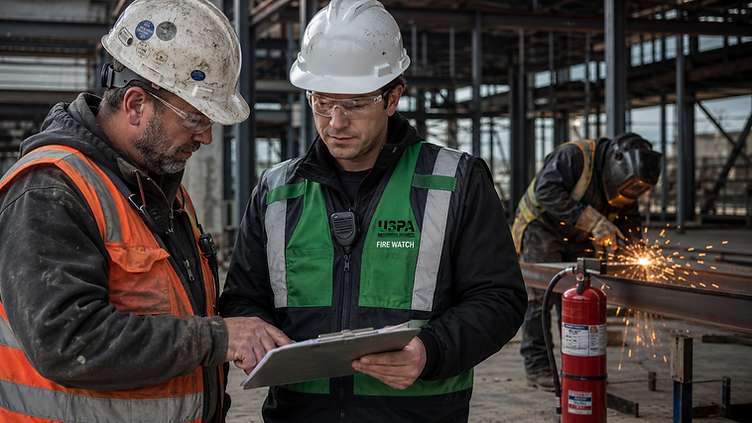
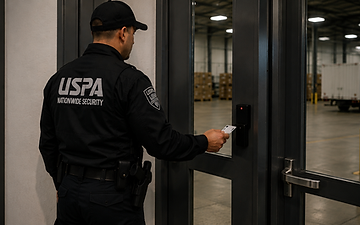
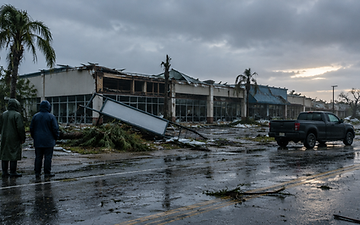
Under Charleston Fire Department, an offline system is a condition that has to be staffed rather than a repair that can wait for the next business morning. When a sprinkler, standpipe, detection or suppression system in Charleston is valved off or taken out of service, a documented watch is required until the system is tested and back in service, and that watch runs under the fire department's own impairment order rather than a general best practice.
A watch in Charleston usually follows an impairment nobody scheduled, most often a riser isolation that leaves part of the property without coverage.
What sets the difficulty in Charleston is the property rather than the paperwork. Rounds are written to the building's layout so an officer covers the impaired areas, the concealed space above them and the exterior where embers land, inside the interval the order allows.
Posts in Charleston are planned around the property's own impaired areas, with the route written per building rather than carried in from the last job.
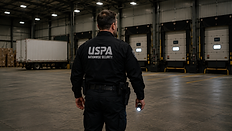
Rounds in Charleston run to the interval the order sets, and each is logged with the time, the route, the areas observed and the panel or valve status. What the property keeps is a record of what was found as well as what was walked, which is the part an insurer reads for evidence of a working watch.
Put together, a Charleston assignment reads like this: a property with an impairment already on the books, an officer inside undefined to undefined hours, a route through the impaired areas, and a close-out only when the system is signed back in.
The market in Charleston
The clients who book a watch in Charleston are the people who own the impairment: the plant or facilities engineer keeping the building operating around the repair. What they need from the first call is the same in every case: a licensed officer, the interval the department requires and a log that survives inspection.
The authority to take a system out of service sits with Charleston Fire Department, and a Charleston impairment is read against the South Carolina fire code. South Carolina State Fire Marshal's Office publishes the baseline the office applies, with its own amendments on top. USPA writes the plan to that order and confirms the scope in writing before the first round, so the job the inspector sees is the job the officer works.
A permit in Charleston that names a watch brings the officer into the job's conditions rather than beside them: the area cleared before the torch is lit, the extinguisher at the work, and the interval after the last spark held until the area has been walked again.
Pricing in Charleston follows the assignment rather than a rate card: officers by post, the interval the department requires, the hours of coverage and the layout of the property. Quotes are itemized against the plan, and a multi-building or multi-week impairment is quoted on a schedule so the rate holds for its length. [Request a quote](/contact) with the impairment and the coverage hours.
Who enforces this in Charleston, SC
Taking a system out of service in Charleston puts three documents in play: the notification sent to Charleston Fire Department before the valve is closed, the round log the office will inspect while the impairment is open, and the restoration record that closes the watch. The South Carolina fire code is what the department reads those documents against, and South Carolina State Fire Marshal's Office publishes the baseline its local amendments sit on. That is the sequence an inspector follows, and where the property's insurer imposes a condition stricter than the code, the insurer's condition governs the post.
- NFPA 101
- Life Safety Code requirements for occupancy and means of egress that an authority having jurisdiction applies when protection is impaired.
- NFPA 25
- Inspection, testing and maintenance of water-based systems. Impairment procedure here is what normally triggers a fire watch.
- NFPA 51B
- Hot work precautions, including the requirement for a fire watch during and after permitted work.
- NFPA 601
- Fire watch duties, patrol documentation and record retention expectations.
Adopted codes differ by state, county and municipality, and an insurer or fire marshal may impose conditions beyond the published standard. USPA confirms the local requirement for each site before coverage begins.
Coverage and response in Charleston
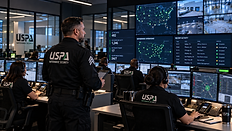
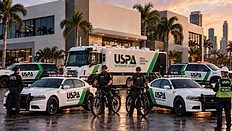
Dispatch for Charleston answers around the clock. USPA plans to have an officer on post within undefined to undefined hours of written authorization, sourced from officers already working Charleston; federal, port and hospital properties add credentialing time before the first round can be counted.
Adding a second Charleston property mid-impairment runs through the same dispatch desk: the post orders are written to the building, the roster is confirmed against the new hours, and the log starts on the first round rather than on the paperwork.
The final round here is walked after the system is back in service, not before, and the officer logs what changed. That last entry is the one an inspector in Charleston reads first.
A field supervisor audits the Charleston post in person, samples the log against the rounds actually walked, and confirms the officer is equipped and briefed on the impairment. Findings reach the client with the same reporting as incidents.