How an event security plan is built
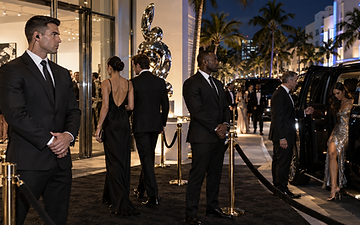
An event security plan is written before it is staffed. USPA begins with the venue: the footprint, the count and width of entry points, the back-of-house routes, the sightlines available from each post, and the occupant load the authority having jurisdiction has approved for the space.
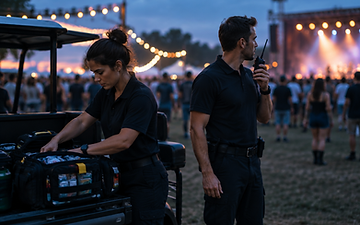
The second input is the run of show. Doors, programming blocks, the point in the evening when the largest share of the audience moves toward one stage, the windows when bars are busiest, and the teardown period when contractors and cash are still on site all shape how officers are placed.
A venue that hosts a convention floor one week and a concert the next is planned twice, because the crowd, the credential scheme and the load-in window are different jobs.
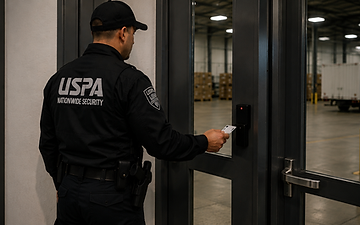
From those inputs the plan assigns posts. Each post names the officer, the radio channel, the zone supervisor, the credential rule enforced at that position, and the escalation path when a guest refuses a bag check, a credential fails to scan, or an ejection becomes a police matter.
The written plan goes to the venue, the organizer and, on permitted events, the police and fire detail assigned to the event. Everyone works from the same document before doors, which is the difference between a coordinated response and four parties discovering an incident at the same time.
Plans are revised rather than frozen. A weather change, a late addition to the bill, a sponsor activation that draws a queue into an aisle, or attendance that runs past the presale curve moves officers between zones during the event, and the command post records the change and the reason.