
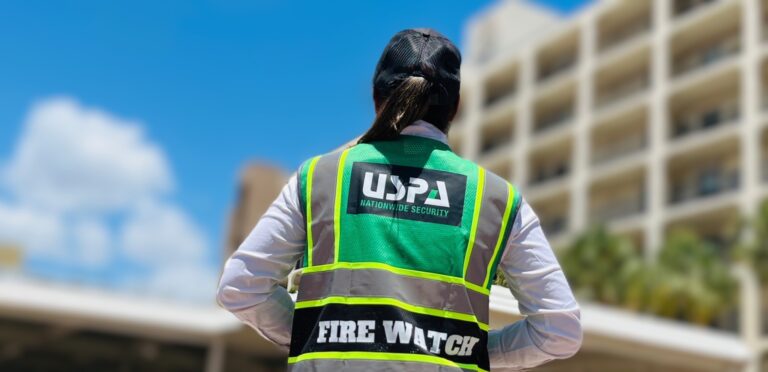
Top Rated Fire Watch Emergency in Reno
24/7 Dispatch: (800) 214-1448
– 4.9 Google Rating: Over 500K hours annually of certified Fire Watch near Reno, NV.
– Run by Military Veterans & Law Enforcement.
– 50% profits aid missing children.
– Ensuring Nevada fire safety regs.
– Online Estimates: Licensed guards for swift 24/7 response. (Open 24 hours)
USPA Nationwide Security provides top-notch fire watch guard services in Reno, Nevada, accredited by the Chamber of Commerce and OSHA certified. Their main priority lies in ensuring compliance with fire safety regulations and offering holistic protection solutions.
USPA Nationwide Security in the Media

Director of Fire Watch Service in Reno, Nevada
24/7 Dispatch: (800) 214-1448
– Emergency Fire Watch
– Hot Work Safety Protocol (NFPA)
– Continuous Oversight of Construction Sites (OSHA)
– Maintenance of Fire Suppression Systems
– Scheduled Fire Watch
In a Rush? Here’s Why We’re the #1 Fire Watch Service in Reno
– Reno Fire Marshal Approved
– Certified, Insured Fire Watch in Reno
– Open Now: USPA operates 24/7
– Top Rated: 4.9 Google Rating
– A+ Rating by Chamber of Commerce
– Fire Watch Guards Serving Reno

Fire Safety for Reno Construction Sites
In Reno, Nevada, a center for construction endeavors, USPA Nationwide Security emerges as a dependable ally, offering customized fire watch services in Reno endorsed by the Chamber of Commerce and accredited by OSHA. With a devoted team of professionals ensuring meticulous adherence to stringent fire safety protocols, construction projects can advance with confidence, knowing that USPA’s specialized expertise and unwavering surveillance effectively manage fire risks. USPA’s dedication to excellence and adherence to industry standards establish them as a trustworthy partner in safeguarding construction sites and fostering a culture of fire safety in Reno.
SEMINAR: Reno Fire Codes vs IFC, by Fire Safety Expert, Brian Fitzgibbons
Join us for a free online seminar hosted by Fire Safety Expert Brian Fitzgibbons, focusing on critical sections of the International Fire Code (IFC) and their applicability in Reno, Nevada. This informative event will cover key aspects of Chapter 7: Fire and Smoke Protection Features, providing essential insights into fire codes and fire safety protocols. Ideal for professionals involved in fire watch in Reno, this seminar is an invaluable opportunity to learn from one of the foremost fire safety experts in the field. The seminar will take place on November 15, 2024, from 9 AM to 12 PM and is exclusively available to USPA Nationwide Security clients at no cost. Secure your spot by calling (800) 214-1448.


 Trustindex verifies that the original source of the review is Google.
  Trustindex verifies that the original source of the review is Google.
  Trustindex verifies that the original source of the review is Google.
  Trustindex verifies that the original source of the review is Google.
  Trustindex verifies that the original source of the review is Google.
  Trustindex verifies that the original source of the review is Google.
  Trustindex verifies that the original source of the review is Google.
  Trustindex verifies that the original source of the review is Google.
  Trustindex verifies that the original source of the review is Google.
  Trustindex verifies that the original source of the review is Google.
 Reno’s A+ Rated Fire Watch Service
24/7 Dispatch: (800) 214-1448
USPA Nationwide Security has emerged as a top-tier provider of fire watch services in Reno, earning an A+ rating and receiving recognition in Forbes. With an enduring commitment to excellence and unparalleled dedication to fire safety, USPA establishes the standard for quality service in the field. Their team of adept professionals guarantees precise adherence to fire safety regulations, delivering comprehensive protection to businesses, construction sites, and events throughout Reno. USPA’s outstanding reputation, combined with their acknowledgment in Forbes, underscores their commitment to excellence and positions them as the preferred option for fire watch services in Reno.
10 Signs That Indicate Your Building Needs a Fire Watch Service in Reno
1. Out-of-Service Fire Alarm Systems: If your fire alarm system is not functioning properly or undergoing maintenance, a fire watch service can provide temporary monitoring to ensure early detection of fires.
2. Construction or Renovation Activities: During construction or renovation projects, fire hazards increase due to temporary electrical wiring, hot work operations, and combustible materials, necessitating the presence of fire watch guards.
3. Recent Fire Code Violations: If your building has been cited for fire code violations, implementing a fire watch service can help mitigate risks while corrective measures are implemented.
4. Temporary Loss of Fire Suppression Systems: If your building’s fire suppression systems, such as sprinklers or fire pumps, are temporarily disabled or undergoing maintenance, a fire watch service can provide supplementary protection.
5. Power Outages: Extended power outages can compromise the functionality of fire detection and alarm systems. A fire watch service ensures continuous monitoring during such situations.
6. Events or Gatherings: Hosting large events or gatherings may increase fire risks due to overcrowding, cooking activities, or pyrotechnics. Fire watch guards can enhance fire safety measures during these occasions.
7. Extreme Weather Conditions: During periods of extreme heat, drought, or high winds, the risk of wildfires or structure fires may escalate, necessitating enhanced fire watch services for proactive monitoring.
8. Vacant or Underused Buildings: Vacant or underused buildings are susceptible to unauthorized entry, vandalism, and arson, making them prime candidates for fire watch services to prevent and detect potential fires.
9. Malfunctioning Heating Systems: In colder months, malfunctioning heating systems pose fire hazards due to electrical faults, overheating, or combustible material contact. Fire watch guards can monitor these systems for early detection of issues.
10. Specialized Hazardous Materials: Buildings housing specialized hazardous materials or equipment, such as laboratories or chemical storage facilities, require heightened fire safety measures, including dedicated fire watch services to prevent accidents and mitigate risks.
Essential Tips for Fire Safety and Fire Watch in Reno, Nevada
The Top 10 Fire Safety Equipment Every Business Should Have in Reno
Fire Extinguishers: Essential for combating small fires, fire extinguishers should be strategically placed throughout the premises, easily accessible, and properly maintained.
Smoke Detectors: Early detection of smoke can save lives. Smoke detectors should be installed in key areas such as hallways, stairwells, and rooms where fires are most likely to occur.
Fire Alarm System: A comprehensive fire alarm system alerts occupants of a fire emergency, initiating evacuation procedures and notifying emergency services.
Emergency Lighting: In the event of a power outage during a fire, emergency lighting ensures safe evacuation by illuminating exit routes and evacuation points.
Sprinkler System: Automatic sprinkler systems provide active fire protection by quickly suppressing fires, minimizing property damage, and protecting lives.
Fire Blankets: Fire blankets are effective for smothering small fires, particularly those involving cooking oils or clothing, and can be used for shielding during evacuation.
Fire Hose Reels: Fire hose reels equipped with high-pressure hoses and nozzles are useful for controlling small fires and assisting in evacuation efforts.
Fire Safety Signage: Clearly visible fire safety signs indicating emergency exits, fire assembly points, fire extinguisher locations, and other essential information facilitate safe evacuation and firefighting efforts.
Fireproof Safes: Safeguard important documents, data storage devices, and valuables from fire damage by storing them in fireproof safes or cabinets.
First Aid Kits: While not specific to fire emergencies, first aid kits are essential for providing immediate medical assistance to individuals injured during a fire or evacuation.
Ensuring the presence, proper installation, and maintenance of these fire safety equipment items can significantly enhance the safety of employees, customers, and visitors in any business establishment in Reno.
10 Essential Fire Safety Tips for Homeowners in Reno
1. Install Smoke Alarms: Place smoke alarms on every level of your home, inside bedrooms, and outside sleeping areas. Test them monthly and replace batteries annually.
2. Create a Fire Escape Plan: Develop a fire escape plan with your family, including multiple escape routes from each room. Practice the plan regularly, especially with children.
3. Install Carbon Monoxide Detectors: Carbon monoxide is a silent killer. Install CO detectors near sleeping areas and test them regularly.
4. Keep Fire Extinguishers Handy: Place fire extinguishers in key locations, such as the kitchen, garage, and near fireplaces. Learn how to use them properly.
5. Practice Safe Cooking: Never leave cooking unattended, especially when frying or broiling. Keep flammable items away from stovetops, and have a lid nearby to smother grease fires.
6. Maintain Heating Sources: Have your heating systems, chimneys, and vents inspected and cleaned annually. Keep space heaters at least three feet away from flammable materials.
7. Store Flammable Materials Safely: Store gasoline, propane, and other flammable liquids in approved containers, away from heat sources and out of reach of children.
8. Use Candles Safely: Keep candles at least one foot away from anything that can burn. Never leave candles unattended, and extinguish them before leaving the room or going to bed.
9. Practice Electrical Safety: Avoid overloading outlets and extension cords. Replace damaged cords and refrain from using frayed or damaged electrical appliances.
10. Keep Fire Hydrants Accessible: Ensure that fire hydrants near your home are clear of snow, debris, and obstructions, allowing easy access for firefighters in case of emergencies.
By following these fire safety tips, homeowners in Reno can significantly reduce the risk of fire-related incidents and protect their families and properties.
The 10 Most Common Causes of Residential Fires and How to Prevent Them in Reno
Cooking Accidents: Unattended cooking, grease fires, and cooking with flammable materials are common culprits. Stay in the kitchen while cooking, use a timer, and keep flammable objects away from heat sources.
Electrical Malfunctions: Overloaded circuits, damaged wiring, and faulty electrical appliances can lead to electrical fires. Avoid overloading outlets, inspect wiring regularly, and replace damaged cords or appliances promptly.
Heating Appliances: Improper use or maintenance of heating devices such as space heaters, furnaces, and fireplaces can cause fires. Keep heaters at least three feet away from flammable materials, clean and inspect chimneys annually, and use screens for fireplaces.
Smoking Materials: Careless disposal of cigarettes, cigars, or smoking materials can ignite fires, especially in bedrooms or near upholstered furniture. Smoke outside, use deep ashtrays, and extinguish smoking materials completely.
Candles: Leaving candles unattended or placing them near flammable objects can result in fires. Use candle holders on stable surfaces, keep them away from curtains or other flammable materials, and extinguish them before leaving the room.
Faulty Appliances: Malfunctioning appliances such as dryers, dishwashers, and microwaves can cause fires. Follow manufacturer instructions for proper use and maintenance, and unplug appliances when not in use.
Children Playing with Fire: Curiosity or experimentation with matches, lighters, or candles can lead to fires. Keep matches and lighters out of reach of children, and educate them about fire safety.
Flammable Liquids: Improper storage or handling of flammable liquids such as gasoline, propane, or cleaning products can result in fires. Store them in approved containers away from heat sources and use them in well-ventilated areas.
Barbecues and Grills: Grilling near combustible materials or leaving grills unattended can lead to fires. Use grills outdoors, away from structures, and keep them clean and maintained.
Christmas Decorations: Overloaded electrical outlets, damaged wires, or placing decorations near heat sources can cause fires. Use flame-resistant decorations, inspect lights for damage, and turn off decorations before going to bed or leaving the house.
By being aware of these common causes of residential fires and implementing preventive measures, homeowners in Reno can significantly reduce the risk of fire-related incidents and keep their families and properties safe.
10 Fire Safety Training Courses Every Employee Should Take in Reno
Fire Extinguisher Training: Teaches employees how to properly select and use fire extinguishers in case of a fire emergency.
Fire Prevention and Safety: Covers the fundamentals of fire prevention, identification of fire hazards, and best practices for fire safety in the workplace.
Emergency Evacuation Procedures: Provides guidance on developing and implementing effective emergency evacuation plans, including evacuation routes, assembly points, and accountability procedures.
Basic First Aid and CPR: Equips employees with essential first aid and CPR skills to provide immediate assistance to injured individuals during fire emergencies or other incidents.
Electrical Safety: Educates employees on the safe use of electrical equipment, identification of electrical hazards, and procedures for preventing electrical fires.
Hot Work Safety: Focuses on the safe performance of hot work activities such as welding, cutting, and soldering to prevent fires and injuries.
Hazardous Materials Handling: Addresses the proper handling, storage, and disposal of hazardous materials to minimize the risk of chemical fires and other incidents.
Kitchen Safety: Provides guidance on safe cooking practices, prevention of kitchen fires, and proper use of kitchen appliances to reduce the risk of fire-related accidents.
Fire Drill Participation: Involves actively participating in fire drills to practice evacuation procedures, test the effectiveness of emergency systems, and improve response times during real emergencies.
Fire Safety Awareness for Employees: Offers a comprehensive overview of fire safety principles, fire behavior, evacuation procedures, and the roles and responsibilities of employees in maintaining a safe workplace environment.
By completing these fire safety training courses, employees in Reno can enhance their knowledge and skills to effectively prevent, respond to, and mitigate fire emergencies in the workplace, contributing to a safer working environment for everyone.
Washoe County Fire Codes and Fire Watch Services in Reno: An In-Depth Analysis
Written by: Brian Fitzgibbons, Fire Safety Expert
Fire safety within Washoe County, particularly in Reno, Nevada, is governed by a framework of fire codes and regulations. These are primarily based on the 2003 edition of the International Fire Code (IFC), with numerous local amendments to address specific needs and conditions. This analysis delves into the details of these codes and how they relate to fire watch services, highlighting the critical aspects of fire safety, fire suppression systems, and fire panels within the context of Reno, Nevada.
IFC Definition and Adoption
International Fire Code Defined
The term “International Fire Code” (IFC) refers to the 2003 edition of the code published by the International Code Council, Inc. The IFC serves as the foundational document for fire safety standards, providing comprehensive guidelines that are adopted and modified by various jurisdictions to suit local needs.
Adoption Process
Washoe County has adopted the IFC, including all appendices except Appendices C and D, with several amendments as outlined in sections 60.020 to 60.440 of the Washoe County Code. This adoption process ensures that the IFC’s standards are tailored to meet the specific fire safety requirements of the county.
Enforcement and Construction
Enforcement Authority
The enforcement of the IFC in Washoe County is delegated to senior officers of organized fire protection districts or designated fire officials as per Interlocal Agreements for Fire Service. In areas outside these districts, the board of county commissioners may designate enforcement entities or personnel. This structure ensures consistent application of fire safety regulations across the county.
Jurisdictional Definitions
Terms such as “municipality,” “city,” and “jurisdiction” within the IFC are construed to mean Washoe County or the relevant fire protection district. This local adaptation clarifies the scope of enforcement and applicability of the fire codes.
Applicability of Codes
Change of Use or Occupancy
Section 102.3 of the IFC, as amended by Washoe County, mandates that existing buildings undergoing a change in use or occupancy comply with the International Building Code (IBC) on a case-by-case basis, subject to written approval from the fire code official. This ensures that all modifications maintain the required fire safety standards.
Application of Building Codes
Section 102.4, amended by deleting the last sentence, emphasizes the importance of adhering to the building code provisions applicable to fire safety. This alignment between building and fire codes is crucial for comprehensive safety management.
Referenced Codes and Standards
Locally Adopted Codes
Section 102.6, as amended, specifies that referenced codes and standards within the IFC include those listed in Chapter 45. The most current editions of these standards apply, ensuring that local regulations are up-to-date with national and international best practices. Specific local substitutions, such as using NFPA 54 for the International Fuel Gas Code, enhance the relevance and applicability of the codes.
Fire Prevention Bureau
General Provisions
The establishment of the Fire Prevention Bureau within Washoe County, under the direction of the fire code official, is mandated by Section 103.1 of the IFC. This bureau is responsible for the implementation, administration, and enforcement of fire safety provisions, ensuring a centralized and consistent approach to fire prevention.
Appointments and Deputies
Sections 103.2 and 103.3, which pertain to the appointment of fire prevention personnel and deputies, have been deleted. This amendment streamlines the structure and responsibilities within the Fire Prevention Bureau, allowing for more flexible and efficient operations.
Fire Investigations
Powers and Responsibilities
Section 104.10, amended by Washoe County, grants investigating officers the authority to take immediate charge of physical evidence in incendiary fire cases. These officers have the powers of peace officers to carry out arrests, prosecutions, and investigations, ensuring thorough and effective responses to fire incidents.
Fire Inspections
Service Charges
Section 106.2, as amended, outlines specific service charges for fire inspections and related services. These charges vary based on occupancy type and inspection complexity, ensuring that fire safety compliance is financially supported and diligently enforced.
Special Events and Occurrences
Service charges for special events and occurrences, including emergency apparatus standby and environmental assessments, are detailed in Section 106.2.2. These charges ensure that the resources required for maintaining fire safety during special events are adequately compensated.
Problematic Systems and False Alarms
Section 901.9 addresses problematic systems and false alarms, imposing service charges for emergency responses caused by system maintenance failures or lack of proper notification. These measures incentivize proper maintenance and communication, reducing unnecessary emergency responses.
Fire Suppression Systems
Automatic Sprinkler Systems
Section 903.2 of the IFC, as amended, requires automatic fire detection or fire extinguishing systems in all buildings over 5,000 square feet, with certain exceptions. This requirement exceeds the baseline IFC standards, reflecting Washoe County’s proactive approach to fire suppression and safety.
Sprinkler System Monitoring
Amendments to Section 903.4 mandate that alarm, supervisory, and trouble signals from sprinkler systems be transmitted to an approved central station fire alarm company. This ensures timely and effective monitoring and response to any issues with sprinkler systems.
Fire Alarm and Detection Systems
General Requirements
Section 907.2, amended to require automatic fire detection systems in buildings over 5,000 square feet, emphasizes the importance of early detection. Heat detection devices are mandated, with smoke detectors used in appropriate areas to ensure optimal detection and response capabilities.
High-Rise Buildings
Amendments to Section 907.2.12 lower the height threshold for high-rise buildings from 75 feet to 55 feet, increasing the scope of buildings required to have comprehensive fire alarm and detection systems. This adjustment reflects the specific risks and needs of high-rise structures in Washoe County.
Maintenance and Records
Inspection and Maintenance Records
Section 901.6.3, added by Washoe County, mandates that all required fire alarms, suppression systems, and commercial kitchen hood ventilation systems be maintained according to code. Maintenance records must be kept on-site and readily available for inspection, ensuring ongoing compliance and functionality.
Notification of Deficiencies
The Fire Prevention Bureau must be notified immediately of any serious deficiencies in fire safety systems. This ensures that issues are promptly addressed and that fire safety standards are continuously upheld.
Fire Watch Services in Reno
Inspections and Compliance
Fire watch services in Reno are governed by stringent inspection requirements detailed in Section 106.2.1. These inspections ensure that all buildings comply with fire safety standards and that any changes in use or occupancy are appropriately monitored and managed.
Special Events and Standby Services
Special events in Reno require specific fire safety measures, including apparatus standby and floor plan reviews, as outlined in Section 106.2.2. These requirements ensure that fire safety is maintained during events that may pose additional risks.
False Alarm Management
Section 901.9 imposes charges for false alarms due to system maintenance failures or lack of proper notification. These measures help manage and reduce false alarms, ensuring that fire watch services can focus on genuine emergencies and maintaining overall safety.
Fire Apparatus Access Roads
Obstruction Management
Section 503.4, amended to include specific provisions for fire lane obstructions, mandates fines for violations. This ensures that fire apparatus access roads remain clear and accessible, which is crucial for effective emergency response in Reno.
Fire Protection Water Supplies
Required Fire Flow
Section 508.1, amended by adding new provisions, details the required fire flow based on the type of land development. This ensures that adequate water supplies are available to meet the demands of fire suppression in various developments, enhancing overall fire safety.
Fire Hydrant Placement
Amendments to Section 508.5.1 mandate that the Fire Department approve the location, number, and type of fire hydrants. This ensures that hydrants are strategically placed to maximize accessibility and effectiveness in emergency situations.
Fire Command Centers
Design and Features
Section 509.1 outlines the requirements for fire command centers, including a two-hour fire-resistance rated fire barrier and dedicated HVAC systems. These centers must also be equipped with combination smoke/fire annunciator panels and planning tools for firefighters, ensuring effective coordination during emergencies.
Emergency Power and Communication
Fire command centers must have emergency power systems and direct telephone connections to the public network. These features ensure that communication and operations can continue uninterrupted during emergencies, enhancing the overall response capabilities.
Means of Egress and Exit Signs
Egress Illumination
Section 1006.3 mandates that egress illumination systems provide power for at least 90 minutes and consist of storage batteries. This ensures that evacuation routes remain illuminated and safe during power outages.
Exit Sign Power Sources
Amendments to Section 1011.5.3 require that exit signs be illuminated at all times, with emergency battery packs providing backup power. This ensures that exit signs remain visible and functional during emergencies.
Vertical Exit Enclosures
Stairway Floor Number Signs
Section 1019.1.7 mandates specific signage for doors leading to stairways, with color-coded signs indicating whether they have roof access. This clear visual communication aids in effective evacuation and emergency response.
Smokeproof Enclosures
Amendments to Section 1019.1.8 lower the height threshold for requiring smokeproof enclosures from 75 feet to 55 feet. This adjustment ensures that more buildings incorporate these critical safety features, enhancing fire safety in high-rise structures.
Washoe County’s fire codes, based on the International Fire Code with specific local amendments, provide a comprehensive framework for fire safety and prevention. These codes ensure that buildings and occupancies in Reno, Nevada, adhere to stringent fire safety standards, with robust measures for inspections, fire suppression systems, and fire watch services.
The detailed provisions for fire command centers, egress illumination, and false alarm management highlight the county’s commitment to maintaining high levels of fire safety. By aligning local codes with national standards and incorporating specific local needs, Washoe County ensures that its fire safety regulations are both relevant and effective.
Brian Fitzgibbons Fire Safety Expert
Get a Quote for Fire Watch near Reno
(800) 214-1448 – Reno NV Fire Guard Service. Fire Watch Service Reno NV. Reno NV Security Guard and Fire Watch Service
Frequently Asked Questions about Fire Watch in Reno, Nevada
Who should I call for Fire Watch in Reno, Nevada?
Call (800) 214-1448 for Reno, Nevada Fire Watch
How often should fire safety inspections be conducted in a commercial building in Reno?
In Reno, as in many other places, fire safety inspections for commercial buildings should be conducted regularly to ensure compliance with fire codes and regulations and to maintain a safe environment for occupants. The frequency of fire safety inspections can vary depending on factors such as the type of building, its occupancy classification, and local regulations. However, some general guidelines apply:
Annual Inspections: Many jurisdictions require annual fire safety inspections for commercial buildings. These comprehensive inspections cover all aspects of fire safety, including fire protection systems, emergency exits, evacuation routes, fire extinguishers, and other fire safety equipment.
Routine Maintenance Checks: In addition to annual inspections, routine maintenance checks should be conducted regularly to ensure that fire safety equipment and systems are in proper working order. This may include testing fire alarms, smoke detectors, sprinkler systems, and emergency lighting on a quarterly or semi-annual basis.
Special Inspections: Certain situations may warrant special inspections outside of the regular schedule. For example, after significant renovations or alterations to a building, after a fire or other emergency, or when new fire safety regulations are enacted, a special inspection may be necessary to assess compliance and ensure that any changes do not compromise fire safety.
Occupancy Changes: Whenever there is a change in occupancy or use of a commercial building, a fire safety inspection should be conducted to assess any new fire hazards or safety concerns associated with the new occupancy.
Follow-Up Inspections: If deficiencies or violations are identified during an inspection, follow-up inspections should be scheduled to verify that corrective actions have been taken to address the issues identified.
The frequency of fire safety inspections for commercial buildings in Reno should be determined based on applicable regulations, industry standards, and the specific needs and characteristics of the building. Building owners and managers should work closely with local fire authorities and fire safety professionals to establish an appropriate inspection schedule and ensure compliance with all fire safety requirements.
What types of fire extinguishers should be used for different fire classes in Reno?
In Reno, as in many places, fire extinguishers are classified according to the type of fires they are designed to extinguish. The classification system is based on the type of fuel or material involved in the fire. The following are the types of fire extinguishers typically used for different fire classes:
Class A Fires (Ordinary Combustibles): These fires involve ordinary combustible materials such as wood, paper, cloth, and plastics. The recommended fire extinguisher for Class A fires is a water-based extinguisher, marked with a Class A rating.
Class B Fires (Flammable Liquids and Gases): These fires involve flammable liquids such as gasoline, oil, grease, and solvents, as well as flammable gases like propane and natural gas. The recommended fire extinguisher for Class B fires is a dry chemical extinguisher labeled with a Class B rating.
Class C Fires (Electrical Equipment): These fires involve energized electrical equipment such as wiring, appliances, motors, and transformers. The recommended fire extinguisher for Class C fires is a non-conductive dry chemical extinguisher labeled with a Class C rating. It is important to use a non-conductive extinguisher to avoid the risk of electric shock.
Class D Fires (Combustible Metals): These fires involve combustible metals such as magnesium, titanium, sodium, and potassium. Specialized Class D fire extinguishers, filled with a dry powder agent specifically designed for metal fires, are required to extinguish Class D fires.
Class K Fires (Cooking Oils and Fats): These fires involve cooking oils, fats, and grease commonly found in commercial kitchens. Class K fire extinguishers, containing a special wet chemical agent, are designed specifically for extinguishing Class K fires.
It is important for businesses and individuals in Reno to select the appropriate type of fire extinguisher for the specific fire hazards present in their environment. Additionally, fire extinguishers should be properly maintained, regularly inspected, and located in accessible and visible locations throughout the premises. Training in the proper use of fire extinguishers is also essential to ensure effective response to fire emergencies.
What are the common duties of a fire watch guard in Reno?
The common duties of a fire watch guard in Reno include:
Continuous Monitoring: Fire watch guards must maintain vigilant surveillance of the premises, looking for any signs of fire hazards or emergencies.
Patrolling: Regular patrols of the property are essential to ensure that all areas are monitored and any potential fire risks are identified promptly.
Inspection of Fire Safety Equipment: Fire watch guards are responsible for inspecting and ensuring the proper functioning of fire safety equipment such as fire extinguishers, smoke detectors, and sprinkler systems.
Hot Work Oversight: During hot work activities such as welding, cutting, or grinding, fire watch guards must supervise the area to prevent sparks or flames from igniting nearby combustible materials.
Emergency Response: In the event of a fire emergency, fire watch guards are trained to initiate emergency procedures, including alerting occupants, evacuating the premises, and coordinating with emergency services.
Documentation: Fire watch guards often maintain detailed logs of their patrols, inspections, and any fire-related incidents or observations, providing valuable documentation for regulatory compliance and incident reporting.
Communication: Effective communication with building occupants, management, and emergency responders is essential for coordinating fire safety efforts and ensuring a swift and coordinated response to emergencies.
The primary duty of a fire watch guard in Reno is to protect lives and property by identifying and mitigating fire risks, ensuring compliance with fire safety regulations, and responding effectively to fire emergencies.
What is a fire watch service, and when is it needed in Reno?
A fire watch service is a temporary measure implemented to ensure fire safety in a building or facility when the normal fire protection systems or equipment are out of service, malfunctioning, or otherwise compromised. During a fire watch, trained fire watch guards patrol the premises regularly, inspecting for fire hazards, and monitoring for signs of fire or smoke. Fire watch services are needed in Reno under various circumstances, including:
During Construction or Renovation: Construction or renovation activities may require the temporary shutdown of fire protection systems such as fire alarms, sprinklers, or smoke detectors. A fire watch service ensures continuous fire safety coverage during these periods.
Malfunctioning Fire Protection Systems: If fire protection systems or equipment are malfunctioning, undergoing maintenance, or being repaired, a fire watch service provides interim fire protection until the systems are restored to full functionality.
Planned Maintenance or Testing: Scheduled maintenance or testing of fire protection systems, such as fire alarm inspections or sprinkler system testing, may necessitate a temporary fire watch to ensure fire safety during the maintenance period.
Special Events or Gatherings: Large events or gatherings may increase fire risks due to overcrowding, cooking activities, or the use of pyrotechnics. A fire watch service can enhance fire safety measures during these occasions to protect attendees and property.
High-Risk Situations: Buildings with a history of fire safety violations, known fire hazards, or specific safety concerns may require a fire watch service to mitigate risks and ensure compliance with fire safety regulations.
A fire watch service in Reno is needed whenever there is a temporary interruption or compromise of normal fire protection systems or equipment, ensuring that adequate fire safety measures are maintained to protect occupants and property from fire hazards.
Related Fire Watch Links in Reno, Nevada
Introduction to Fire Watch eBook (Free)
Fire Watch Plans (Free)
Top 15 Crucial NFPA and OSHA Regulations for Construction Site Fire Watch
Fire Watch Seminar (for hotels)
A Comparative Analysis of Washoe County Fire Codes and International Fire Codes
Authored by Brian Fitzgibbons, Fire Safety Expert
Fire safety is a critical aspect of urban planning and building management, particularly in regions prone to wildfires and other fire hazards. Washoe County, Nevada, and its largest city, Reno, are no exceptions. The fire codes in Washoe County are designed to protect lives and property by establishing standards for fire prevention, fire suppression systems, and emergency responses. These codes often align with, yet sometimes diverge from, the International Fire Code (IFC), which serves as a global benchmark for fire safety regulations. This white paper provides a comprehensive analysis of the Washoe County Fire Codes in comparison with the IFC, highlighting key differences and similarities, and exploring the implications for fire watch services, fire suppression systems, and fire safety management in Reno, Nevada.
Scope and Applicability of Fire Codes
International Fire Code: Definition and Adoption
The IFC, developed by the International Code Council (ICC), is a comprehensive set of regulations designed to mitigate the risk of fire through proactive measures and robust safety standards. Washoe County adopts the 2003 edition of the IFC, incorporating specific amendments and modifications tailored to local needs and conditions. This adoption ensures that the fundamental principles of the IFC are upheld while allowing for local flexibility.
Washoe County Code: Enforcement and Applicability
Washoe County’s fire codes are detailed in Chapter 60 of the Washoe County Code, which outlines the adoption and enforcement of the IFC with local amendments. These amendments address specific needs and challenges faced by the county, including the unique environmental and urban characteristics of Reno and its surrounding areas. The enforcement of these codes is managed by designated fire officials within organized fire protection districts or appointed by the county commissioners in unorganized areas.
Key Amendments to IFC in Washoe County
Change of Use or Occupancy (Section 102.3)
In Washoe County, Section 102.3 of the IFC is modified to require written approval from the fire code official for changes in occupancy or use of existing buildings. This amendment ensures that any changes comply with fire safety standards and are subject to inspection through the business license process.
Referenced Codes and Standards (Section 102.6)
Washoe County’s fire code amendments include specific references to locally adopted codes, such as substituting the National Electrical Code for the International Electrical Code. This localization of standards ensures compatibility with existing infrastructure and regulatory frameworks.
Fire Prevention Bureau (Section 103.1)
The establishment and function of the Fire Prevention Bureau in Washoe County are defined to ensure the implementation, administration, and enforcement of fire safety codes. The bureau is responsible for conducting inspections, issuing permits, and overseeing fire investigations, providing a centralized approach to fire safety management.
Fire Investigations (Section 104.10)
Washoe County grants investigating officers the authority to take immediate charge of physical evidence related to incendiary fires and carry out arrests and prosecutions. This provision enhances the county’s ability to respond swiftly and effectively to fire incidents.
Inspections and Service Charges (Section 106.2)
Washoe County imposes specific service charges for fire inspections, reinspection, and special events. These charges are structured based on the type of occupancy and the nature of the inspection, ensuring that fire safety compliance is adequately funded and managed.
Fire Watch Services in Reno
Fire watch services play a crucial role in maintaining fire safety, particularly in situations where fire protection systems are compromised or during high-risk events. In Reno, fire watch services are governed by both the IFC and Washoe County-specific regulations, ensuring that these services are robust and effective.
Fire Apparatus Access Roads (Section 503.4)
Washoe County’s amendments to Section 503.4 of the IFC include specific provisions for fire lane obstruction, imposing fines for violations and ensuring clear access for emergency vehicles. This focus on access is critical in urban areas like Reno, where timely response to fire incidents can significantly impact outcomes.
Fire Protection Water Supplies (Section 508)
The availability and management of fire protection water supplies are essential components of fire safety. Washoe County has detailed amendments to Section 508 of the IFC, specifying requirements for fire flow, hydrant placement, and water supply systems. These amendments ensure that water supplies are sufficient to meet the demands of fire suppression in various types of developments.
Fire Suppression Systems
Automatic Sprinkler Systems (Section 903.2)
Washoe County mandates the installation of automatic fire detection or fire extinguishing systems in all buildings exceeding 5,000 square feet, with specific exceptions for mini-storage occupancies. This requirement goes beyond the baseline IFC standards, reflecting the county’s commitment to proactive fire suppression.
Fire Alarm and Detection Systems (Section 907.2)
Amendments to Section 907.2 of the IFC in Washoe County include the requirement for automatic fire detection systems in buildings over 5,000 square feet. Additionally, the use of heat detection devices is emphasized, with allowances for smoke detectors in appropriate settings. These measures enhance early detection and response capabilities.
Maintenance and Monitoring (Section 901.6)
Washoe County requires stringent maintenance and monitoring of fire alarms, suppression systems, and commercial kitchen hood ventilation systems. These systems must be inspected regularly, with maintenance records readily available for review by fire officials. Immediate notification to the Bureau of Fire Prevention is required for any serious deficiencies or cancellations of service contracts.
Fire Panels and Command Centers (Section 509.1)
The design and features of fire command centers in Washoe County are specified to include two-hour fire-resistance rated barriers, dedicated HVAC systems, and emergency lighting. These centers must also be equipped with annunciator panels and planning tools for firefighters, ensuring that emergency responses are coordinated effectively.
Fire Safety Management
Occupancy Classifications and Definitions (Section 202)
Washoe County’s fire codes include specific definitions and classifications for various occupancies, such as casinos, which are classified under Group A assembly occupancies. These classifications help tailor fire safety requirements to the unique risks associated with different types of buildings and uses.
Means of Egress and Exit Signs (Section 1006.3)
Amendments to Section 1006.3 of the IFC in Washoe County ensure that means of egress are well-illuminated with emergency battery packs, even when emergency generators are available. This redundancy enhances the reliability of egress pathways during power outages.
Vertical Exit Enclosures (Section 1019.1.7)
Washoe County’s amendments to vertical exit enclosures include specific signage requirements for doors leading to stairways, differentiating between those with and without roof access. This clear visual communication aids in effective evacuation and emergency response.
False Alarms and System Outages (Section 901.9)
To address the issue of false alarms, Washoe County imposes service charges for emergency responses caused by system maintenance failures or lack of proper notification. These charges incentivize building owners and service companies to maintain their fire safety systems diligently.
The comparison between Washoe County Fire Codes and the International Fire Codes reveals a proactive approach by the county to address local fire safety challenges while adhering to international standards. The specific amendments and additions to the IFC reflect a nuanced understanding of the unique needs of Reno and its surrounding areas. By incorporating stringent inspection requirements, localized standards, and robust fire suppression systems, Washoe County ensures a high level of fire safety and preparedness.
For fire watch services in Reno, these codes provide a clear framework for maintaining safety and compliance. The detailed provisions for inspections, service charges, and emergency responses underscore the importance of vigilance and readiness in fire safety management. As Reno continues to grow and evolve, the alignment of local fire codes with international standards will be crucial in safeguarding the community against fire hazards.