
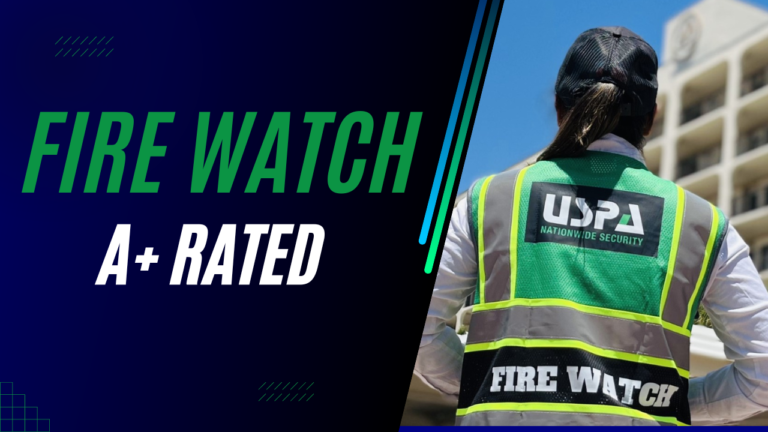
Fire Watch Emergency Service in Lakeland (Open Now)
24/7 Dispatch: (800) 214-1448
– Over 500K hours annually of certified Fire Watch in Lakeland annually.
– Fire Watch Run by Military Veterans & Law Enforcement.
– 50% profits aid missing children.
– Ensuring Lakeland fire safety regs.
– Licensed guards for swift 24/7 response.
USPA Nationwide Security offers top-tier fire watch guard services in Lakeland, Florida, endorsed by the Chamber of Commerce and OSHA-certified. We prioritize compliance with fire safety regulations and deliver complete protection solutions.
USPA Nationwide Security in the Media

Director of Fire Watch Service in Lakeland, FL
24/7 Dispatch: (800) 214-1448
– Comprehensive Fire Watch
– Hot Work Safety Protocols (NFPA)
– OSHA Fire Safety for Construction Sites
– Fire Suppression System Checks
– Scheduled Fire Watch Activities

Swift Fire Watch Services Execution
Step 1: Transparent Estimate
Receive a clear and detailed estimate from USPA, breaking down all costs to prevent any hidden charges or surprises.
Step 2: Instant Contract Delivery
A contract is sent instantly to your email for electronic signing, ensuring quick and efficient processing. The contract includes a certificate of insurance covering comprehensive liability and worker’s comp policies for complete coverage.
Step 3: Tailored Fire Watch Plan
USPA drafts a fire watch plan tailored to your specific needs, compliant with NFPA 601 standards and ensuring full adherence to national fire protection standards and local regulations. The plan also meets IFC standards for added regulatory compliance.
Step 4: Service Deployment
USPA dispatches highly trained, licensed, and insured fire watch guards, overseen by Brian Fitzgibbons, a fire safety expert. Our guards are equipped to handle any fire safety requirements, providing top-tier protection in compliance with NFPA 601 and IFC standards.
Enhancing Fire Safety During Construction in Lakeland, Florida
USPA Nationwide Security plays a critical role in ensuring fire safety during construction projects in Lakeland, Florida. Their fire watch services are led by teams of military veterans, Navy SEALs, and former law enforcement officers who bring a wealth of experience and discipline to the job. By maintaining a constant presence on construction sites, USPA helps prevent fire hazards by identifying potential risks and implementing immediate corrective actions. They ensure compliance with local fire codes and NFPA 241 standards, which are essential for safeguarding property and lives. Their proactive approach not only mitigates fire risks but also provides peace of mind to builders and property owners, knowing that their projects are protected by highly trained professionals dedicated to fire safety and regulatory adherence.
Immediate Hazard Response in Fire Watch Duties
Under NFPA 601, fire watch officers must be prepared to respond immediately to potential fire hazards. This involves quickly assessing risks, using fire extinguishers or other firefighting equipment if necessary, and evacuating areas at risk. Officers are trained to follow specific response protocols to prevent the escalation of hazards. Immediate and effective action is crucial for mitigating risks and maintaining a safe environment.
The Legal and Safety Risks of Assigning Fire Watch Duties to Employees

The Necessity of Trained Fire Watch Personnel
Fire watch duties, as specified by IFC 403.11.1 and NFPA 601, necessitate dedicated tasks that must be performed by specially trained personnel, not by employees with other responsibilities (IFC 403.11.1). These individuals need official approval (IFC 403.11.1) and comprehensive training to uphold public safety standards (NFPA 601). The role demands constant vigilance and uninterrupted focus (IFC 403.11.1.1), particularly for events requiring specialized fire watch services (IFC 403.11.3).
Case Study: Fire Watch and Fire Safety in Lakeland, Florida
About Brian Fitzgibbons
Brian Fitzgibbons is a distinguished fire safety expert with extensive experience in fire codes, fire watch, and fire safety measures. As a keynote speaker and author, he has contributed significantly to the field, educating professionals nationwide on essential fire safety practices.
About USPA Nationwide Security
USPA Nationwide Security has been a trusted provider of security and fire watch services for nearly 20 years. With a 4.9 Google rating and an A+ rating from the Chamber of Commerce, USPA Nationwide Security is committed to delivering top-quality services to its clients.
Chapter 33: Fire Safety During Construction and Demolition
General Overview
Chapter 33 of the fire code in Lakeland, Florida, emphasizes fire safety during construction and demolition operations. It prescribes minimum safeguards to protect life and property from fire hazards during such activities. The chapter highlights the responsibilities of the property owner or authorized agent in developing and maintaining a comprehensive site safety plan.
Scope and Purpose
The scope of Chapter 33 applies to structures undergoing construction, alteration, or demolition, including those in underground locations. Its purpose is to establish minimum safety standards to mitigate fire risks during these processes. Compliance with NFPA 241 is mandated for items not specifically addressed in this chapter.
Administrative Safety Controls
Program Development and Maintenance
The property owner or their authorized agent must develop, implement, and maintain an approved written site safety plan. This plan is essential throughout all phases of construction, repair, alteration, or demolition work. It must address the requirements of Chapter 33 and other applicable codes, outline the duties of staff, and specify training requirements. The plan must be submitted and approved before a building permit is issued, and any changes must also be submitted for approval.
Components of Site Safety Plans
Site safety plans must include:
– Contact information of the site safety director.
– Documentation of training for the site safety director and fire watch personnel.
– Procedures for reporting emergencies.
– Fire department vehicle access routes.
– Locations of fire protection equipment.
– Smoking and cooking policies, designated areas, and signage.
– Location and safety considerations for temporary heating equipment.
– Hot work permit plan.
– Plans for controlling combustible waste material.
– Storage and use of flammable and combustible liquids and other hazardous materials.
– Provisions for site security and fire watch.
– Other site-specific information as required by the fire code official.
Daily Fire Safety Inspections
The site safety director is responsible for daily fire safety inspections. This includes ensuring:
– Compliance with hot work safety requirements.
– Proper maintenance of temporary heating equipment.
– Removal of combustible debris and rubbish.
– Proper storage of flammable liquids and hazardous materials.
– Clear fire apparatus access roads and unobstructed fire hydrants.
– Functional standpipe systems and fire protection equipment.
Fire Watch Requirements
Fire Watch During Construction
A fire watch must be provided during nonworking hours for new construction that exceeds 40 feet in height, new multistory construction with an aggregate area exceeding 50,000 square feet per story, or as required by the fire code official. The primary duty of fire watch personnel is to perform constant patrols and watch for fire occurrences. They must be trained in using fire protection equipment and maintaining fire watch records.
Impairment of Fire Protection Systems
The site safety director must ensure that impairments to any fire protection system are addressed immediately. This includes maintaining operable smoke detectors, temporary covering of fire protection devices, and proper operation of sprinkler systems.
Fire Protection Systems—Noncompliant Conditions
General Overview
Appendix I outlines conditions that indicate noncompliance and impaired fire protection systems. It provides a list of readily observable issues during fire inspections that require immediate action to restore fire protection systems to service.
Impaired Conditions Requiring Immediate Action
Conditions requiring immediate action include:
– Valves in the shut or closed position (water supply, fuel supply for fire pumps, kitchen hood suppression valves).
– Impaired fire alarm systems (no power, no active communication path to the supervising station).
Noncompliant Conditions Requiring Component Replacement
Components that must be replaced include:
– Sprinklers with signs of leakage, paint, corrosion, deformation, or empty glass bulbs.
– Water pressure and air pressure gauges installed for more than five years and not tested for accuracy.
Noncompliant Conditions Requiring Repair or Replacement
Conditions that necessitate repair or replacement include:
– Sprinkler and standpipe system piping with leakage, corrosion, misalignment, or damage.
– Portable fire extinguishers with broken seals, expired maintenance tags, or signs of leakage and corrosion.
Legal Brief: Lakeland Fire Marshal v. Crestview Towers (2020)
Case Background
In 2020, a significant fire incident at Crestview Towers in Lakeland, Florida, led to a legal battle over fire code enforcement. The fire marshal identified several noncompliant conditions in the building’s fire protection systems, including non-functional fire alarm systems and obstructed fire escape routes.
Court Ruling
The court ruled in favor of the Lakeland Fire Marshal, emphasizing the necessity of operational fire alarm systems and accessible fire escape routes in high-rise buildings. The ruling reinforced the accountability of property owners in ensuring fire safety compliance. The court mandated immediate corrective actions to address the noncompliant conditions and prevent future fire hazards.
Implications for Fire Safety Compliance
This case underscores the importance of adhering to fire safety codes and maintaining functional fire protection systems. Property owners must ensure regular inspections, proper maintenance, and prompt repair or replacement of noncompliant components. The ruling serves as a precedent for strict enforcement of fire safety regulations in Lakeland, emphasizing the role of the fire marshal in safeguarding public safety.
Ensuring fire safety during construction and demolition is crucial for protecting lives and property in Lakeland, Florida. Chapter 33 of the fire code outlines comprehensive requirements for fire protection, site safety plans, and fire watch duties. Property owners and authorized agents must comply with these regulations to mitigate fire risks and ensure a safe environment during construction activities. The case of Lakeland Fire Marshal v. Crestview Towers highlights the legal implications of noncompliance and reinforces the importance of maintaining operational fire protection systems. By adhering to these standards and working closely with fire safety professionals, Lakeland can continue to enhance fire safety and protect its residents and properties from fire hazards.
Frequently Asked Questions about Fire Watch in Lakeland
Who should I call for Fire Watch in Lakeland, Florida?
Call (800) 214-1448 for Lakeland, Florida Fire Watch
What are the essential components of a site safety plan in Lakeland's fire code?
In Lakeland, Florida, a site safety plan is a critical component of fire safety compliance, particularly during construction and demolition activities. The plan is designed to ensure that fire safety measures are implemented and maintained throughout all phases of the project. According to Appendix I of the fire code, the essential components of a site safety plan include:
Development and Maintenance: The owner or authorized agent is responsible for developing, implementing, and maintaining the site safety plan. This plan must be approved before the issuance of a building permit and updated as necessary.
Site Safety Director: The plan must designate a site safety director responsible for ensuring compliance with the safety plan and fire code requirements. This individual must have the authority to enforce fire safety measures on the site.
Training Documentation: The plan should include documentation of the training received by the site safety director and fire watch personnel, ensuring they are knowledgeable about fire safety procedures and equipment use.
Emergency Procedures: Detailed procedures for reporting emergencies, including fire department vehicle access routes and locations of fire protection equipment such as portable fire extinguishers, standpipes, and fire hydrants.
Control of Combustible Materials: The plan must outline procedures for the control of combustible waste materials, including their storage, use, and disposal. This helps in preventing fire hazards due to accumulation of combustible debris.
Hot Work Permits: If hot work (e.g., welding or cutting) is to be performed, the plan must include a hot work permit program detailing safety measures and monitoring procedures to prevent fire ignition.
Fire Watch Provisions: Where required, the plan should specify the provision of fire watch personnel to monitor for fire hazards during non-working hours, especially in high-risk areas or during high-risk activities.
Temporary Heating Equipment: The plan must detail the locations and safety considerations for temporary heating equipment used on-site, ensuring it is kept away from combustible materials.
Site Security Measures: Provisions for site security to prevent unauthorized access and ensure that fire safety measures are not compromised. This includes ensuring clear access for emergency responders.
Regular Inspections: The site safety director is required to conduct daily fire safety inspections, with results documented and available for review by fire code officials. This ensures ongoing compliance and early identification of potential fire hazards.
By including these components, Lakeland’s fire code ensures that construction and demolition sites are equipped with comprehensive fire safety measures to protect both property and lives.
What are the responsibilities of the site safety director under Lakeland's Chapter 33 fire code?
Responsibilities of the Site Safety Director Under Lakeland’s Chapter 33 Fire Code
The site safety director plays a pivotal role in ensuring fire safety during construction, alteration, and demolition activities as outlined in Chapter 33 of Lakeland’s fire code. Their primary responsibilities include:
Development and Implementation of Site Safety Plan: The site safety director is responsible for developing, implementing, and maintaining an approved written site safety plan. This plan must address all fire safety requirements specified in Chapter 33 and must be submitted for approval before a building permit is issued. Any subsequent changes to the plan also require approval.
Daily Fire Safety Inspections: The site safety director must conduct daily inspections of the construction site to ensure compliance with the fire safety plan. This includes checking for proper storage of combustible materials, ensuring that fire apparatus access roads are clear, verifying that temporary heating equipment is safely positioned, and confirming that fire protection equipment is operational and accessible.
Training and Supervision: The site safety director is responsible for training fire watch personnel and other staff in fire safety procedures and the use of fire protection equipment. They must ensure that training records are documented and maintained as part of the site safety plan.
Fire Watch Management: Where a fire watch is required, the site safety director must ensure that trained personnel are assigned to perform constant patrols and monitor for fire hazards. They must also ensure that fire watch records are kept up-to-date and are available for review by fire code officials.
Coordination During Hot Work Operations: The site safety director must oversee hot work operations, ensuring that they are conducted safely and in compliance with the hot work permit program. This includes verifying that all contractors performing hot work have been instructed in safety requirements and that work is performed only in approved areas.
Emergency Procedures and Communication: The site safety director must establish and communicate procedures for reporting emergencies. This includes ensuring that emergency contact information and site addresses are posted prominently and that communication systems are in place for notifying the fire department in case of an emergency.
Maintenance of Fire Protection Systems: Ensuring that all fire protection systems, such as sprinklers, standpipes, and portable fire extinguishers, are maintained and inspected regularly. Any impairments to these systems must be promptly addressed to restore them to full operational status.
Documentation and Compliance: The site safety director must maintain detailed records of all inspections, training sessions, fire watch activities, and any incidents or violations. These records must be readily available for review by fire code officials and used to demonstrate ongoing compliance with fire safety regulations.
Enforcement Authority: The site safety director has the authority to enforce all provisions of the site safety plan and fire code requirements. This includes taking corrective actions when noncompliant conditions are identified and ensuring that all personnel adhere to fire safety protocols.
By fulfilling these responsibilities, the site safety director ensures that fire safety measures are effectively implemented and maintained throughout the construction or demolition process, thereby protecting both property and lives.
How does Lakeland ensure compliance with Appendix I for noncompliant fire protection systems?
Lakeland ensures compliance with Appendix I for noncompliant fire protection systems through a series of stringent inspection, enforcement, and remediation processes:
Regular Inspections
Fire code officials conduct regular inspections of buildings to identify noncompliant conditions as outlined in Appendix I. These inspections focus on identifying issues that can impair fire protection systems, such as closed valves, impaired fire alarms, and damaged sprinklers.
Immediate Action for Impairments
When impaired conditions are identified, such as valves in the closed position or non-functional fire alarm systems, the building owner is required to take immediate action to restore the system. This ensures that critical fire protection systems are operational at all times.
Enforcement of Component Replacement
For components that are noncompliant, such as leaking sprinklers or outdated gauges, Lakeland mandates their replacement. This proactive approach ensures that fire protection systems are always up to standard.
Detailed Record-Keeping
The site safety director is responsible for maintaining detailed records of inspections, repairs, and replacements. These records are essential for ensuring ongoing compliance and for providing documentation during re-inspections by fire code officials.
Legal Accountability
In cases where compliance is not achieved voluntarily, Lakeland enforces fire code regulations through legal means. The Lakeland Fire Marshal v. Crestview Towers (2020) case, for instance, highlighted the necessity of operational fire alarm systems and accessible fire escape routes, reinforcing property owner accountability.
Comprehensive Training Programs
Lakeland requires thorough training for site safety directors and fire watch personnel to ensure they are knowledgeable about fire protection system maintenance and compliance requirements. This training is crucial for the effective identification and remediation of noncompliant conditions.
By implementing these measures, Lakeland effectively ensures that fire protection systems are maintained in a compliant state, thereby enhancing the safety and protection of buildings and occupants.
What is some additional information about Lakeland, Florida?
If you need a security guard or fire watch service, you don’t have time to wait around for hours. We’re the fastest and most reliable company in the business. You can get started with us within minutes of your call. Our response times are always under 30 minutes, even if it’s 2 am on Christmas morning! We have guards available 24/7, 365 days a year. Our nationwide network of over 5500 licensed and insured security guards is ready to serve you today. Call (800) 214-1448 for a quote now!
Firewatch Company Lakeland
When it comes to security and fire watch service, you want a reliable, experienced, and cost-effective company. Many security guard companies are in the market today, but very few offer the services we do at USPA Nationwide Security. USPA Nationwide Security has been rated number one by industry experts for years because of our dedication to providing high-quality service with top-notch customer care. Our highly trained guards will be able to handle any situation you might have. This includes securing your business or home, protecting valuable property, or just keeping an eye on things while you’re away from home. We’ve got your back! Call (800) 214-1448 now for more information about our services!
Protecting Lakeland Businesses with:
Firewatch Guard Service (for protecting people in Lakeland)
Fire Guard Officer (for protecting people in Lakeland)
Fire Guard Mobile Patrol (for guarding Lakeland Storefronts)
Security Fire Watchmen (for patrolling Lakeland businesses)
(800) 214-1448 Hire a fire watch guard in Lakeland, Florida. Need an emergency firewatch service in Lakeland? Firewatch Company FL. Fire Marshall Compliant FL.
#lakeland #florida #lakelandflorida #lakelandfl #lkld #centralflorida #firewatchcompanylakeland #firewatchlakeland #securitycompanylakeland #securityguardlakeland
Related Fire Watch Links in Lakeland, Florida
Introduction to Fire Watch eBook
Fire Watch Plans
Construction Site Fire Watch
Fire Watch Seminar
NFPA 601: Fire Watch Regulations
Fact Check: International Fire Code
Patrol Duties for Fire Watch
Chapter 7: International Fire Code
Disaster Recovery
For more information Hire the #1 Fire Watch Service in Lakeland, Florida