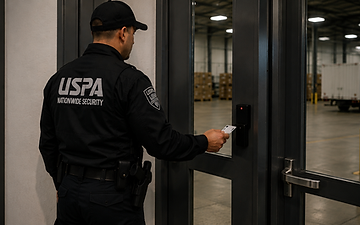
Coverage is planned from the venue's specifics. The team reviews the layout, expected attendance, ticket and credential scheme, alcohol service and the local police or fire requirements, then proposes posts, patrol routes and relief rotations sized to the run of show.
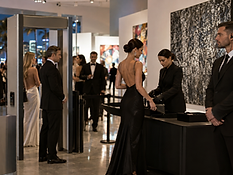
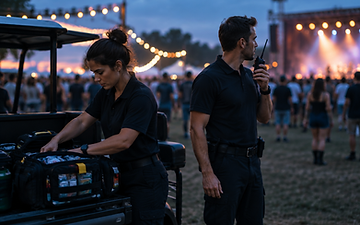
During doors, officers hold the credential scheme at each entry point, move guests through screening without stacking queues, and patrol the floor on the routes the plan sets. What they observe is reported to one command post, which keeps venue management and any responding agencies on the same page.
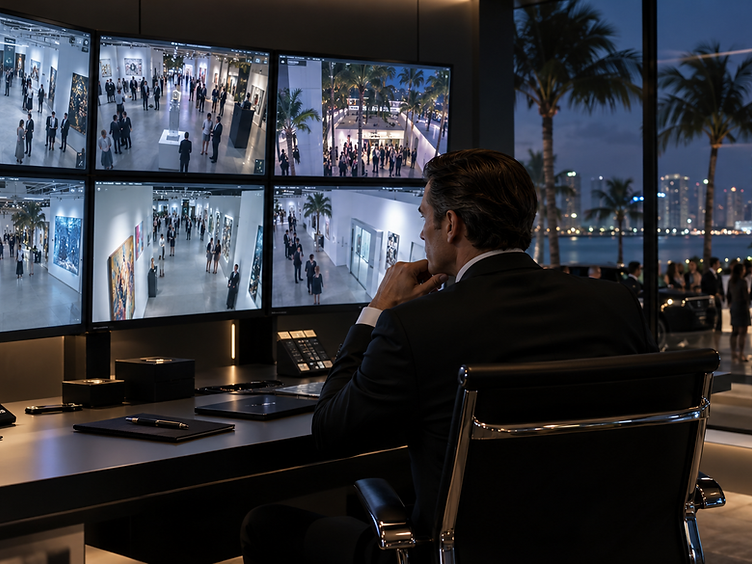
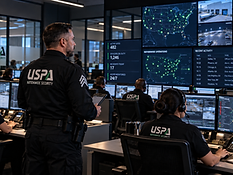
The command post is the backbone of the plan. Supervisors post there, radio traffic from every zone lands in one channel, and decisions about egress, medical response or escalation to police are made by people who can see the whole event rather than one corner of it.
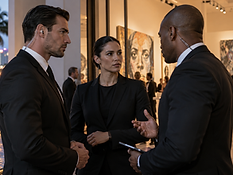
Supervisors audit posts in person through the event rather than from a desk. A supervisor walks each zone, checks that screening is being run to the plan, rotates officers so no post is held past alertness, and writes the incident record before the shift ends.
The pre-event brief happens before doors, every time. Officers walk their posts, meet the supervisor who is running their zone, and review the credential scheme, the egress routes and the escalation path, so the first guest through the door meets an officer who already knows the plan rather than one reading it for the first time.
Medical coverage is integrated where the audience warrants it. USPA provides [private EMTs and event medics](/hire-the-1-private-emt-service-safesport-event-medics) who stand by on site and coordinate with local EMS, which keeps a small incident from turning into a security incident.
Officers are licensed in IN, briefed on the run of show before doors, and covered by the company's liability insurance, with certificates issued to the venue and any agency that requires them.
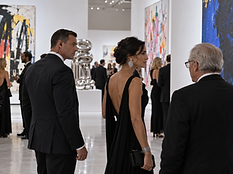
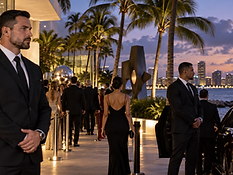
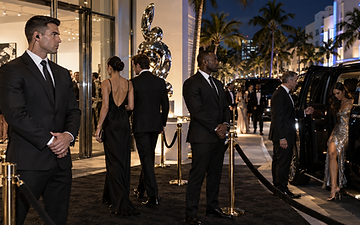
Arming, dress and posture follow the event. Formal galas run with officers in suits over their credentials, festival gates run with uniformed officers in high visibility, and armed coverage is added where the threat picture, the venue's rules and state licensing allow. The plan states the posture for every post in writing, so organizers know exactly what their guests will see.
The event types covered in Indianapolis include concerts and tours, festivals and street fairs, conferences and trade shows, galas and award nights, corporate receptions and product launches, weddings and private parties, sporting events and fights, and nightclub and promoter nights. Each draws the same discipline from the plan; the mix of posts changes with the crowd.
Private events run on discretion. Guest lists are enforced quietly, officers dress to the setting, and problems are resolved at the edge of the room before guests register them. Where the host expects a higher exposure profile, [executive protection](/bodyguard-services) agents can work the detail alongside the event team, and arrivals can be covered with [secure transportation](/secure-transportation).
The market in Indianapolis
Event activity in Indianapolis concentrates in Downtown Indianapolis, Mass Ave district and Fountain Square, with steady work through White River State Park area, Broad Ripple, Convention corridor. Officers who work this market know the loading docks, the freight elevators and the queue patterns of these venues, and that familiarity shortens every walkthrough.
The calendar in Indianapolis runs through several peak seasons: spring and fall bring conference and trade activity, summer carries festival and outdoor programming, and the December window fills with galas and corporate functions. Outdoor events add weather contingency to the plan, which the staffing schedule accounts for with flexible relief coverage.
Organizers book USPA for the planning as much as the headcount: corporate event teams, promoters, venue managers, wedding and gala planners, and production companies running multi-day programs. Each brings a different definition of success, and the plan is written around it, from a guest list enforced at one door to a credential scheme with a dozen lane combinations.
Permitting shapes how coverage is written in Indianapolis. Public events typically file a special events permit with the city, the fire marshal's office reviews occupant loads and egress plans, and the police department may assign a special events detail. USPA builds its staffing plan to those requirements so the security documentation supports each approval.
Pricing is quoted per event and itemized: officers by post, supervisors, any medic coverage, and the hours from load-in through teardown. Multi-day and recurring events run on a quoted schedule rather than per-shift pricing, so the organizer can see the cost of each part of the plan before committing.
Venues and insurers increasingly ask for documentation before the doors open: certificates of insurance, officer rosters, a staffing plan and proof of licensing. Those documents are issued with the quote, and the post-event file, incident reports and debrief give the organizer a record to hand back to the venue.
The officers on these assignments are working professionals rather than one-off hires. Rosters in this market draw on officers who also carry [security guard posts](/uniform-security-guards) during the week, so event days are staffed by people accustomed to radio discipline, checkpoint documentation and staying composed in front of a crowd.
Where the event spans several venues across Indianapolis, the plan is written as one program: shared credential scheme, a single command post, and staggered officer shifts so the standard at the opening reception is the standard at the closing session. Production companies and multi-venue organizers are quoted this way by default.
Regional clients add depth to the roster. Production companies and corporate teams that run the same program in several cities use one security partner across all of them, and USPA staffs those tours and road shows with a consistent command structure and the same reporting format at every stop. Where the program crosses state lines, officers are licensed in each market it plays, and back-to-back dates, load-in supervision and rehearsal days are covered under the same schedule.
Coverage and response in Indianapolis
Event requests for Indianapolis are answered 24 hours a day. Coverage is quoted with an itemized post plan, and short-notice events are staffed from officers already working in this market, which is often the difference between booking the date and losing it.
A typical timeline: the quote follows the site review within a day or two, the staffing plan is written two to three weeks out where the calendar allows, and the officer roster is confirmed before the pre-event brief. Rush requests are handled through the same dispatch desk when the event is days away.
Coverage scales with the event: a two-officer detail for a private dinner, a full entry team with roaming patrol for a ballroom, and multi-zone staffing with a dedicated command post for festivals and arena programs. Multi-day conferences are staffed on rotating shifts so officers stay sharp through the final session.
On event days, a supervisor audits every post in person, incident reports are written before the shift ends, and a post-event debrief closes the file. That record is what the venue reviews before the organizer books the next date, and it is one of the reasons event clients stay with USPA across seasons.
Reporting is documented as it happens. Every incident, refusal at the door, ejection and medical response lands in the log with a time and an officer's name, and the client receives the file the same week. When a venue or an insurer asks what happened, the answer is a document.
Multi-market events run the same way. Organizers holding events in several cities through the year keep one account team, and the reporting format stays identical from market to market, which is why corporate event departments and production companies consolidate their coverage with USPA. A quote for a new city starts from the last event's plan and adjusts for the venue, the attendance and the local licensing.