
Hot Work and Fire Safety: Compliance with NFPA 101 in Dallas
October 7, 2026· Brian Fitzgibbons
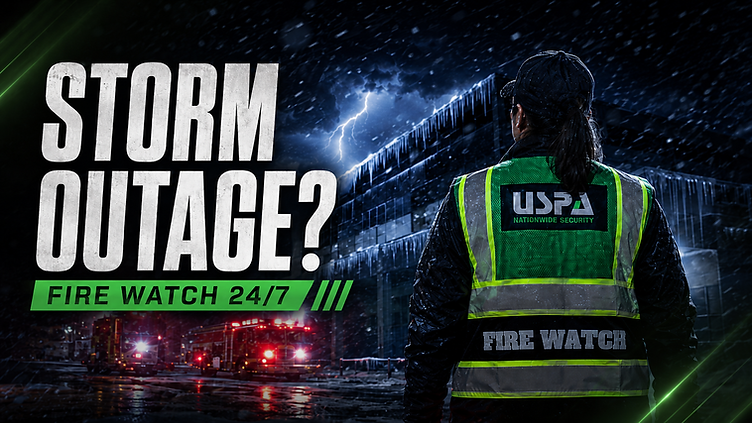
Fire hazards in industrial and commercial environments present significant risks to personnel and structural integrity. In high-density urban areas like Dallas, the intersection of rapid development and aging infrastructure necessitates strict adherence to established safety protocols. Facility managers carry the responsibility of mitigating these risks through proactive management of fire protection systems and the oversight of maintenance activities that generate ignition sources. Compliance with national standards and local fire codes is not merely a legal requirement but a fundamental component of effective risk management. When fire protection systems are compromised or when hot work activities occur, the deployment of a fire watch service is a critical intervention designed to prevent catastrophic loss. This article examines the framework provided by the National Fire Protection Association and the specific regulatory obligations dictated by municipal authorities in Dallas. By understanding these mandates, property owners can better protect their assets and ensure the safety of occupants. ## I. Introduction: Overview of local fire risks and regulatory compliance. Fire risks in Dallas are influenced by factors such as climate, building density, and the prevalence of commercial welding and fabrication projects. The ability to identify potential ignition points during hot work is essential to preventing structure fires. Regulatory compliance relies on a standardized approach to identifying, monitoring, and reporting fire safety conditions. Facility managers must integrate fire safety into their routine maintenance schedules to ensure that all administrative and physical controls are in place before, during, and after high-risk tasks. ## II. Understanding NFPA 101 (Life Safety Code): Key mandates and standards. The NFPA 101 Life Safety Code is the primary document governing life safety in new and existing buildings. It establishes requirements for the design, operation, and maintenance of structures to provide safety from fire and related hazards. Central to these standards is the requirement that fire protection systems must be maintained in operational condition at all times. If a system is taken out of service, the code mandates that compensatory measures be implemented immediately. These measures often include the assignment of trained personnel to conduct a fire watch. The code emphasizes that the objective of such a watch is to maintain the same level of protection that the automated system would have provided. This involves constant vigilance, the ability to identify smoke or flames, and the capacity to initiate an emergency response. ## III. Local Jurisdiction Rules: Dallas Fire Code Chapter 16. Dallas Fire Code Chapter 16 requires a fire watch when fire protection systems are impaired or during hot work. Form 16-1 must be filed. Adherence to this local code is mandatory for all property owners and contractors conducting work that involves grinding, welding, or the use of open flames. Filing the required documentation serves as a formal notification to the local authority having jurisdiction regarding the impairment status and the presence of trained security personnel who are authorized to monitor the site for fire hazards. ## IV. Duties of a Fire Watch Guard: Patrol logs, communication, and emergency protocols. A professional fire watch guard serves as the primary line of defense in the absence of functional sprinkler systems or fire alarms. Their duties are precise and must be executed without deviation. Guards must conduct documented patrol rounds at set intervals to inspect areas where hot work is being performed or where systems are impaired. Every patrol round must be recorded in log entries in real time, noting the exact time, the location inspected, and the conditions observed. Communication is another core pillar of the guard role. Guards must be equipped with reliable communication devices to ensure the immediate notification of the fire department and the property contact in the event of an emergency. The fire watch coverage must continue without interruption until the fire protection system is fully restored and accepted by the facility manager or the local fire authority. This continuity ensures that no gap in protection occurs during the transition from impaired status back to fully operational status. ## V. Conclusion & Best Practices for Facility Managers. To manage fire safety effectively, facility managers should maintain a clear inventory of all fire protection equipment and ensure that maintenance schedules are strictly followed. Pre-planning for hot work is essential, including the removal of combustible materials from the vicinity and the provision of portable fire extinguishers. USPA provides NFPA-compliant fire watch coverage in Dallas, TX and nationwide to assist facilities in meeting these stringent requirements. By maintaining clear documentation, communicating risks to all site personnel, and ensuring that fire watch guards are fully trained in their specific responsibilities, facility managers can effectively minimize the risk of fire and maintain compliance with both national and local standards. ## Sources * National Fire Protection Association (NFPA 101 Official Standard) * Local Municipal Code for Dallas, TX * Occupational Safety and Health Administration (OSHA 29 CFR 1910 Compliance Directives)
Related Reading
Questions about fire watch, executive protection or guard coverage for your property? Request a quote or call our dispatch line.
More from the blog


Opinion
Retail Riots and the Death of Glass: Securing the Future Storefront
Flash-mob looting and civil disturbances have exposed plywood boarding as a symbolic gesture rather than a genuine security strategy. This op-ed argues that modern urban retail brands must invest in permanently engineered ballistic and smash-resistant glazing systems integrated into their architectural design.


Opinion
The Glass Ceiling of Corporate Privacy
Electrochromic glass systems integrated into corporate IoT networks offer architectural elegance and energy efficiency, but they also introduce a category of physical-cyber vulnerability that most enterprise security programs have yet to address: the remote, instantaneous erasure of visual privacy in executive conference spaces.


Opinion
The Ghost in the Server: How AI-Driven Tailgating Is Defeating Automated Turnstiles
Sophisticated bad actors have learned to treat optical turnstiles as a system to be gamed rather than a barrier to be overcome. Understanding the geometry of how machine-calculated tailgating works is the first step toward deploying defenses that can actually stop it.