
How to Handle Commercial System Impairments under NFPA 25 in Fort Worth
September 9, 2026· Brian Fitzgibbons
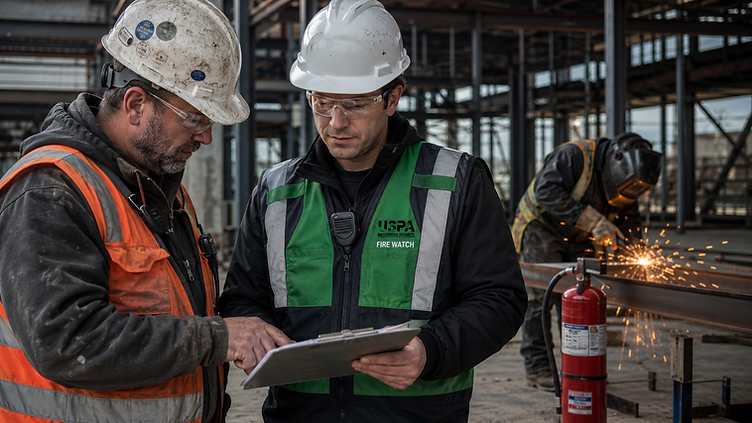
Commercial property managers in Fort Worth face significant liability and safety risks when water-based fire protection systems, such as automatic sprinklers or standpipe systems, become impaired. Whether an impairment is planned for maintenance or results from an unexpected mechanical failure, the primary objective remains the protection of building occupants and the mitigation of property loss through compliant fire watch procedures. Understanding the specific regulatory landscape is the first step in maintaining compliance during these critical periods.
Compliance in Texas necessitates a thorough understanding of both national safety standards and municipal ordinances. Property owners bear the legal responsibility for ensuring that systems remain operational or that acceptable compensatory measures are implemented immediately upon discovery of a fault. Failure to adhere to these standards can result in severe financial penalties, the suspension of occupancy permits, or increased insurance premiums.
I. Introduction: Overview of local fire risks and regulatory compliance
Fort Worth poses unique challenges for property management due to its dense commercial development and the age of some existing fire suppression infrastructure. Managing fire risks requires a proactive stance, particularly when automated systems are offline. Compliance is not merely a matter of safety but a legal mandate under both state and municipal law. Property owners must ensure that any period of system impairment is met with an immediate, documented response that aligns with the requirements set forth by local authorities having jurisdiction (AHJ).
II. Understanding NFPA 25 (Standard for the Inspection, Testing, and Maintenance of Water-Based Fire Protection Systems)
NFPA 25 establishes the baseline requirements for the inspection, testing, and maintenance of water-based fire protection systems. It provides the framework for identifying impairments and determining the appropriate corrective actions. An impairment occurs when a system is out of service or not functioning as intended. The standard requires that when a system is impaired, the property owner must implement an impairment program. This program involves notifying the local fire department and insurance carrier, marking the impaired equipment, and establishing a fire watch to monitor the area. NFPA 25 mandates that the impairment duration be minimized and that the system be restored to service as expeditiously as possible. It is the responsibility of the facility manager to ensure that those performing the fire watch are properly trained and that all documentation is maintained on-site for review.
III. Local Jurisdiction Rules
Compliance with the Fort Worth Fire Code is mandatory for all commercial entities operating within the city. Specifically, the Fort Worth Fire Code requires continuous patrols and an approved notification plan to the fire marshal's office. When an impairment is identified, the facility manager must initiate these protocols immediately. The notification plan ensures that the fire marshal is fully aware of the status of the building's fire protection systems and the specific measures being taken to manage risk. Continuous patrols must be sustained until the impairment is officially cleared and the system is returned to normal operation.
IV. Duties of a Fire Watch Guard
When a fire protection system is impaired, the deployment of fire watch personnel is essential to maintain safety. A professional fire watch guard serves as the human equivalent of an automated system. Their primary duty is to conduct documented patrol rounds at set intervals throughout the affected areas of the building. These rounds must be comprehensive and logged in real time to provide an accurate record of the security status at any given hour. Log entries should include the time of the patrol, the areas inspected, the observation of any fire hazards, and the status of emergency exits.
Communication is a critical component of these duties. Guards must be equipped with reliable communication devices to ensure immediate notification of the fire department and the property contact in the event of an emergency. This chain of communication ensures that rapid intervention can be facilitated if a fire occurs. Furthermore, the guard must remain on post for the entire duration of the impairment. Coverage must continue without interruption until the fire protection system is fully restored to operational status and the repair has been inspected and accepted by the appropriate authority. Documentation of all patrol logs and emergency contacts must be kept securely and made available for inspection by the Fort Worth Fire Department.
V. Conclusion & Best Practices for Facility Managers
Facility managers should establish a pre-approved list of emergency contractors and fire watch providers to ensure a rapid response to system failures. Routine maintenance schedules should be strictly adhered to, as many impairments can be prevented through scheduled service. Furthermore, keeping a current, detailed map of the facility's fire suppression components will assist both maintenance teams and fire watch personnel in their duties. Property owners should document all impairment events, including the cause, the duration, and the remedial actions taken, to provide a clear audit trail for the fire marshal. USPA provides NFPA-compliant fire watch coverage in Fort Worth, TX and nationwide to assist with these requirements. Maintaining a vigilant approach to system readiness is the most effective way to protect both assets and human life in a commercial environment.
Sources
- National Fire Protection Association (NFPA 25 Official Standard)
- Local Municipal Code for Fort Worth, TX
- Occupational Safety and Health Administration (OSHA 29 CFR 1910 Compliance Directives)
Related Reading
Questions about fire watch, executive protection or guard coverage for your property? Request a quote or call our dispatch line.
More from the blog


Opinion
Retail Riots and the Death of Glass: Securing the Future Storefront
Flash-mob looting and civil disturbances have exposed plywood boarding as a symbolic gesture rather than a genuine security strategy. This op-ed argues that modern urban retail brands must invest in permanently engineered ballistic and smash-resistant glazing systems integrated into their architectural design.


Opinion
The Glass Ceiling of Corporate Privacy
Electrochromic glass systems integrated into corporate IoT networks offer architectural elegance and energy efficiency, but they also introduce a category of physical-cyber vulnerability that most enterprise security programs have yet to address: the remote, instantaneous erasure of visual privacy in executive conference spaces.


Opinion
The Ghost in the Server: How AI-Driven Tailgating Is Defeating Automated Turnstiles
Sophisticated bad actors have learned to treat optical turnstiles as a system to be gamed rather than a barrier to be overcome. Understanding the geometry of how machine-calculated tailgating works is the first step toward deploying defenses that can actually stop it.
