
How to Handle Commercial System Impairments under NFPA 25 in San Diego
September 20, 2026· Brian Fitzgibbons
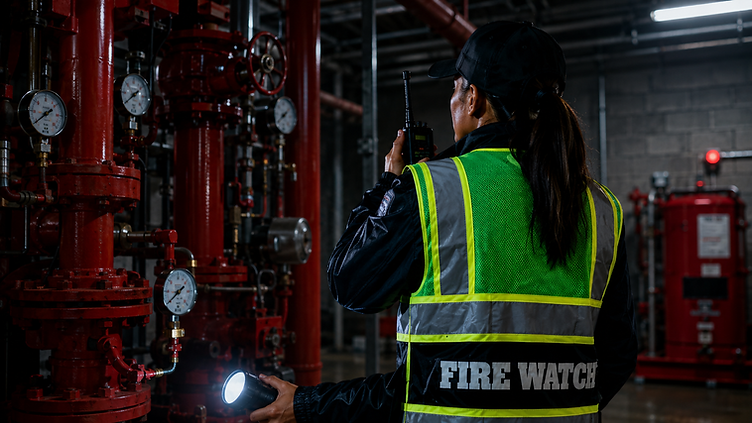
Maintaining fire protection systems is a critical responsibility for facility managers and property owners in San Diego. When these systems suffer from impairments due to repairs, system failures, or maintenance, the risk to building occupants and property increases significantly. Ensuring that a facility remains compliant during these periods requires a disciplined approach to safety and adherence to both national standards and local mandates.
Regulatory compliance serves as the baseline for operations in urban environments like San Diego. Failure to address system impairments according to established procedures can lead to legal liability, increased insurance premiums, and, most importantly, an inability to detect and suppress fires during a critical event. This article clarifies the requirements for managing these scenarios effectively.
I. Introduction
San Diego faces unique fire risks ranging from dense urban infill projects to complex industrial sites. Compliance with the National Fire Protection Association (NFPA) standards ensures that fire suppression equipment is operational when needed. Regulatory bodies expect property managers to demonstrate proactive oversight, particularly when a fire sprinkler or alarm system is out of commission. Understanding the intersection between national standards and local city requirements is essential for maintaining a safe building environment and avoiding non-compliance penalties.
II. Understanding NFPA 25
NFPA 25 serves as the comprehensive standard for the inspection, testing, and maintenance of water-based fire protection systems. This standard dictates the minimum requirements for the periodic maintenance of these systems to ensure they function as intended throughout their service life. When a system is impaired, NFPA 25 provides the roadmap for identifying the hazard and taking corrective action to mitigate that hazard until the system is restored to service.
Key mandates under NFPA 25 include the designation of an impairment coordinator, the implementation of a tag system to alert occupants of the impairment, and the requirement for increased monitoring. The standard emphasizes that the goal of these procedures is to prevent a fire from going undetected in the absence of an operational sprinkler or alarm system. Facility managers must view NFPA 25 not merely as a checklist, but as a mandatory protocol for protecting life safety.
III. Local Jurisdiction Rules
In addition to national standards, property owners must strictly adhere to the local municipal code governing fire safety. In San Diego, these local regulations reinforce the need for immediate action during system downtime. San Diego Fire Code Section 901.7 requires immediate notification to the SDFD dispatch and a dedicated watch for impairments exceeding 4 hours. This rule ensures that the local fire department is aware of the increased risk level and that a physical human presence is established to act as a fire detection system while the mechanical system is offline.
IV. Duties of a Fire Watch Guard
When a fire watch is required due to an impairment, the personnel assigned must follow rigorous procedures to ensure the safety of the facility. The primary duty of a fire watch guard is to provide continuous oversight of the property. This involves conducting documented patrol rounds at set intervals to inspect areas that are typically monitored by the fire protection system.
Guards must maintain real-time log entries that note the date, time, and observations made during each round. These logs serve as legal documentation of the security efforts taken during the period of impairment. If any fire, smoke, or safety hazard is detected, the guard must notify the local fire department and the property contact immediately. Fire watch coverage must continue without interruption until the fire protection system is fully restored to operational status and accepted by the appropriate authority. This continuity is non-negotiable for maintaining site safety and regulatory compliance.
V. Conclusion & Best Practices for Facility Managers
Managing a fire system impairment requires swift coordination and a clear understanding of legal obligations. Facility managers should maintain an updated list of local fire watch contractors, keep their impairment documentation organized, and ensure that all onsite staff are aware of the communication chain during an emergency. The most effective strategy involves proactive communication with the fire department and ensuring that any impairment is addressed by certified technicians as quickly as possible. USPA provides NFPA-compliant fire watch coverage in San Diego, CA and nationwide to assist facilities in maintaining safety standards during system maintenance or failures. Prioritizing these practices protects building occupants and ensures that your facility remains fully compliant with all local and national fire safety standards.
Sources
- National Fire Protection Association (NFPA 25 Official Standard)
- Local Municipal Code for San Diego, CA
- Occupational Safety and Health Administration (OSHA 29 CFR 1910 Compliance Directives)
Related Reading
Questions about fire watch, executive protection or guard coverage for your property? Request a quote or call our dispatch line.
More from the blog


Opinion
Retail Riots and the Death of Glass: Securing the Future Storefront
Flash-mob looting and civil disturbances have exposed plywood boarding as a symbolic gesture rather than a genuine security strategy. This op-ed argues that modern urban retail brands must invest in permanently engineered ballistic and smash-resistant glazing systems integrated into their architectural design.


Opinion
The Glass Ceiling of Corporate Privacy
Electrochromic glass systems integrated into corporate IoT networks offer architectural elegance and energy efficiency, but they also introduce a category of physical-cyber vulnerability that most enterprise security programs have yet to address: the remote, instantaneous erasure of visual privacy in executive conference spaces.


Opinion
The Ghost in the Server: How AI-Driven Tailgating Is Defeating Automated Turnstiles
Sophisticated bad actors have learned to treat optical turnstiles as a system to be gamed rather than a barrier to be overcome. Understanding the geometry of how machine-calculated tailgating works is the first step toward deploying defenses that can actually stop it.
