
Securing Super Bowl In Host City: Essential Fire Watch Requirements for Temporary Assembly Spaces
August 28, 2026· Brian Fitzgibbons
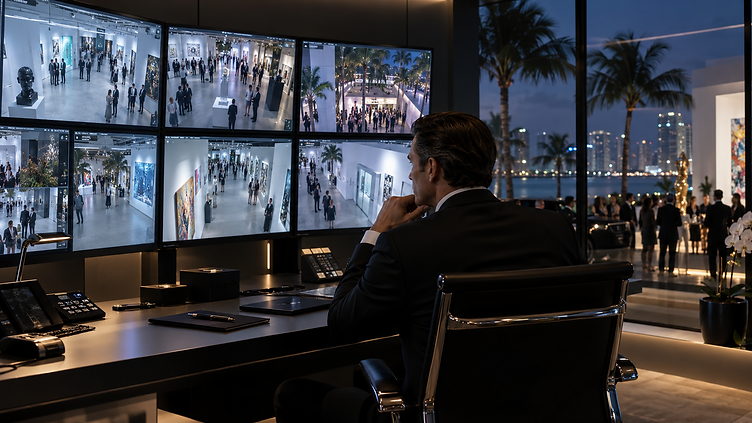
The scale of Super Bowl operations necessitates a complex logistical framework that extends far beyond the stadium itself. Host city event planners must account for a vast ecosystem of temporary structures, including fan activation zones, hospitality tents, and pop-up media centers. These temporary assembly spaces introduce significant fire risks that must be managed with the same rigor as permanent venues.
Fire safety in these environments is not a secondary concern but a foundational requirement for securing event permits. Because temporary structures often lack built-in fire suppression systems found in traditional arenas, fire watch services are frequently mandated by local fire marshals to bridge the safety gap. Understanding the regulatory landscape and operational requirements is essential for venue managers who wish to avoid project delays, permit revocations, or potential safety incidents.
Specific Municipal Guidelines and Permit Triggers for Temporary Spaces
Local jurisdictions rely on specific permit triggers to determine when a fire watch is required. Most municipal codes dictate that any temporary structure designed for an occupant load exceeding a certain threshold or those utilizing decorative materials, heat-producing equipment, or limited egress paths must undergo a comprehensive fire safety inspection. Permit triggers often involve the installation of temporary grandstands, large tents, or enclosed structures intended for public gathering.
When planners file for assembly permits, the host city fire marshal typically reviews the site plan for fire apparatus access, proximity to hydrants, and flame spread ratings for construction materials. If these criteria are not met, the permit will remain conditional until the applicant provides a professional fire watch plan. This plan must identify the number of personnel required, their designated patrol routes, and their communication protocols with local dispatch. Failure to meet these specific municipal guidelines can lead to an immediate shutdown of the assembly space, creating significant financial and operational consequences for organizers.
Applying NFPA 101 and NFPA 102 Codes to Pop-up Installations
Compliance with the NFPA 101 Life Safety Code and NFPA 102 Standard for Grandstands, Folding and Telescopic Seating, Tents, and Membrane Structures is the industry standard for safe event management. NFPA 101 governs the fundamental safety of building occupants, focusing on egress capacity, lighting, and the maintenance of clear exits. In temporary pop-up installations, this means ensuring that exit paths are not obstructed by event equipment, vendor infrastructure, or guest flow bottlenecks.
NFPA 102 specifically addresses the unique hazards associated with temporary structures. This code requires that membranes and fabrics used in tents possess flame-resistant certifications. Furthermore, it mandates that seating arrangements within these structures comply with strict spacing requirements to prevent crush injuries and allow for rapid evacuation. For event producers, integrating these codes early in the design phase is critical. When pop-up designs deviate from standard layouts, fire protection engineers must document how alternative design features maintain equivalent levels of safety to satisfy the life safety intent of these codes.
Duties of a Certified Fire Watch Officer During Peak Attendance
Certified fire watch officers provide a dedicated physical presence to monitor for potential fire hazards during peak event hours. Their responsibilities extend well beyond passive observation. Officers conduct documented patrol rounds at intervals defined by the local authority having jurisdiction, typically ensuring that all fire extinguishers are fully charged and accessible, exit signs are illuminated, and egress routes remain clear of debris or unauthorized equipment.
During peak attendance, the fire watch officer serves as a primary observer for potential ignition sources, such as overloaded electrical circuits, discarded smoking materials, or unauthorized open flames in food service areas. Their radio protocols are integrated into the broader unified command structure, allowing them to relay immediate alerts to venue security and municipal emergency services. This real-time reporting is vital for a coordinated response. If an incident occurs, the officer is responsible for initiating the fire alarm sequence, directing crowd flow toward designated exits, and assisting with the initial stages of facility evacuation until municipal first responders arrive.
Mitigating Financial and Human Risk
Effective fire safety management is the primary defense against the severe risks associated with large-scale temporary events. Proactive compliance protects the physical wellbeing of the public and safeguards the reputation and financial stability of the event organizers. USPA Nationwide Security provides event security and NFPA-compliant fire watch services for large-scale events nationwide, ensuring that every temporary assembly space operates within the bounds of safety regulations. By prioritizing rigorous fire watch protocols and adherence to established life safety codes, stakeholders can ensure that the excitement of the event is balanced by a steadfast commitment to public safety.
Sources
- DHS Safety Act
- NFPA Org
- NFPA Official Standards Platform
Related Reading
Questions about fire watch, executive protection or guard coverage for your property? Request a quote or call our dispatch line.
More from the blog

Opinion
Retail Riots and the Death of Glass: Securing the Future Storefront
Flash-mob looting and civil disturbances have exposed plywood boarding as a symbolic gesture rather than a genuine security strategy. This op-ed argues that modern urban retail brands must invest in permanently engineered ballistic and smash-resistant glazing systems integrated into their architectural design.


Opinion
The Glass Ceiling of Corporate Privacy
Electrochromic glass systems integrated into corporate IoT networks offer architectural elegance and energy efficiency, but they also introduce a category of physical-cyber vulnerability that most enterprise security programs have yet to address: the remote, instantaneous erasure of visual privacy in executive conference spaces.


Opinion
The Ghost in the Server: How AI-Driven Tailgating Is Defeating Automated Turnstiles
Sophisticated bad actors have learned to treat optical turnstiles as a system to be gamed rather than a barrier to be overcome. Understanding the geometry of how machine-calculated tailgating works is the first step toward deploying defenses that can actually stop it.
