
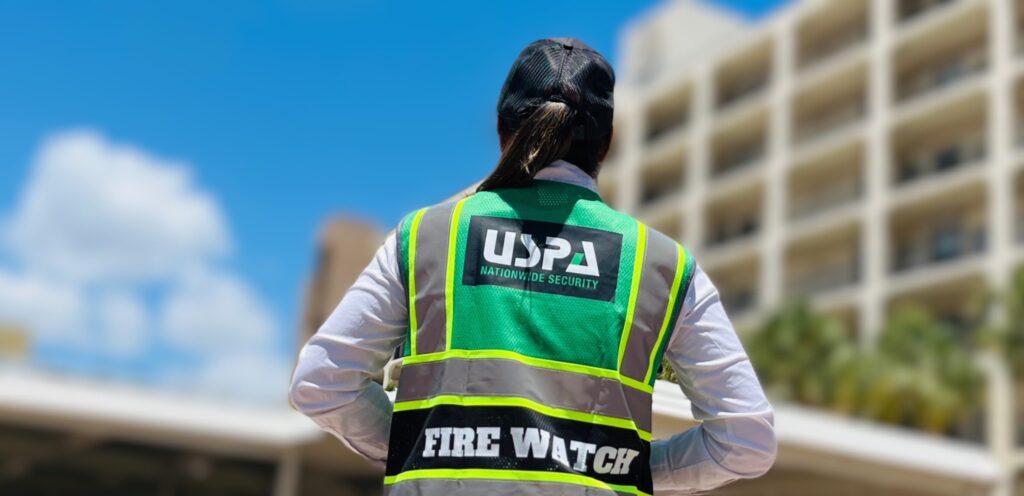
Emergency Fire Watch Service Colton, CA (Open Now)
Contact: (800) 214-1448
– Boasting over 500,000 hours of Fire Watch service.
– Guided by Military Veterans and Law Enforcement Professionals.
– Adhering to local fire department standards.
– Swift deployment facilitated by certified Fire Watch Guards.
– 50% of proceeds devoted to the rescue of Missing Women and Children.
In Colton, USPA Nationwide Security operates a round-the-clock fire watch division in Colton. Our CEO, an esteemed figure within the National Fire Prevention Association, ensures that our fire guards in California are fully licensed and insured.
Need Fire Watch Services Immediately? Here’s Why We Stand Out:
Top-Rated Expertise: A+ Rated by the Chamber of Commerce, reflecting our longstanding commitment to excellence.
Decades of Proven Experience: Thriving in our third decade of business, we bring a wealth of knowledge and reliability.
Exceptional Reputation: Consistently high 4.9 rating on Google over the past decades, showcasing customer satisfaction and trust.
Industry-Leading Authority: Our Director of Fire Watch, Brian Fitzgibbons, is not only a celebrated keynote speaker but also a published author in fire prevention.
Always Ready: We offer 24/7 availability for immediate assistance, ensuring rapid response when you need it most.
Officially Recognized: Fully approved by Fire Marshals for meeting critical safety standards.
Strict Adherence to Safety Standards: We are fully compliant with all NFPA (National Fire Protection Association) regulations, guaranteeing the highest level of fire safety and prevention.

 Christopher LeeApril 24, 2023
Trustindex verifies that the original source of the review is Google.
Absolute pleasure to work with this group of professionals. Anyone looking for protective or security services would do well to hire USPA or their contractors. Jason CantieApril 20, 2023USPA Nationwide Security Was there for us at a desparate time! Their service was fast and professional! I Highly recommend them!
 Kerry RodierMarch 30, 2023Mike Evans and USPA there are very little words that would convey my gratitude to you and your company in the search for my son Séamus. Without your selflessness and compassion I would not have been able to get through this tragic time. You have brought me less heartache by giving me the knowledge that this was just a tragic accident as opposed to some other sinister act. I breathed easier knowing I had you and your company by my side tirelessly looking for Séamus. Your professionalism is unparalleled and you will always have my undying gratitude. Sincerely, Kerry Rodier Gray
 Allison KiddFebruary 21, 2023This company embodies integrity and hard work.
 Kendall EdwardsFebruary 21, 2023These guys are amazing! They are true professionals, they also spend their free time rescuing missing children. You can’t beat an organization like this.
 Monika KamardinovJanuary 17, 2023I was invited to a party last week where USPA Security guys were our bodyboards. They were very professional and made sure that we all felt safe during our gathering. I would definitely hire them for my events!
 Jurate LuckaiteJanuary 17, 2023I hired USPA Security company and I could not be any happier. Not only I received the most professional bodyguard team led by Navy Seals and Army Rangers, but I also received close protection for me and my girlfriends. The team is super professional. They actually care and go above and beyond to make sure you feel safe and protected. I was provided with VIP Aircraft and limo services to and from the airport. I received the VIP treatment in every step. I highly recommend USPA Nationwide Security team because they respect their client and their service is exceptional. It is an honor and pleasure to work with the team.
 Malan Best SecurityDecember 9, 2022Our company has been fortunate enough to work with USPA extensively over the last year and we cannot voice our appreciation enough. USPA has kept us steadily busy with work and we look forward to working with them for a very long time. Each representative of USPA we’ve been in contact with thus far has been a pleasure to work with and lastly, knowing that some of their profits are donated to some great causes is an incentive to continue working closely with this company. Thank you guys again. MBS TEAM
 Strong SecurityDecember 9, 2022I AM A PROUD CONTRACTOR WITH THIS ORGANIZATION AND ALL I CAN SAY IS I WILL BE HELPING THEM GET TO THE HIGHEST HEIGHTS POSSIBLE!!! President Manning of USPA has to be one the most honest and genuine men I've met in this industry!!! Marc E Singletary, MBA (DBA 2024)
 Nick POctober 10, 2022I have been using USPA as my security contractor for a few years now and their service is exceptional. Dan and Brian are extremely attentive and always able to help with our last-minute projects that fall outside of our main service contract. They provide exceptional oversight, and their communication could not be better. I would fully endorse USPA for any project, whether it be short or long term. This company has excellent values and always adheres to them. You will not be disappointed.

Head of Fire Watch Colton, California
Contact: (800) 214-1448
Director of Fire Watch & Security: Brian Fitzgibbons
As a fire safety authority, author, and advocate for rigorous fire protection standards, I’ve seen the pivotal role that strict enforcement of fire codes plays in protecting communities. Through my experiences, from writing “Introduction to Fire Watch” to leading seminars nationwide, I’ve gained a comprehensive understanding of what it takes to safeguard communities from the destructive effects of fire. In this context, the Fire Marshal’s office in Colton, California, shines as a prime example of excellence in fire protection and safety.
Upholding Strict Fire Codes: A Pillar of Safety
In Colton, the Fire Marshal’s office has embraced a steadfast approach to enforcing fire codes, serving as a model for other cities. This unwavering commitment to fire codes isn’t just about meeting requirements; it’s about fostering a safety-conscious culture that permeates every aspect of the city, ensuring that fire safety is prioritized in every home, business, and public space.
Continuous Training: Enhancing Expertise
What distinguishes the Colton Fire Marshal’s office is its dedication to ongoing training for its personnel. This commitment to lifelong learning ensures that the team remains updated on the latest fire safety standards and techniques, enabling them to effectively implement them. This culture of continual improvement is crucial in a field where lives are at stake, and the Colton Fire Marshal’s office sets a commendable example.
Selective Staffing: Recruiting Top Talent
The excellence of the Colton Fire Marshal’s office is further evidenced by its rigorous recruitment process. Understanding the direct impact of its personnel on the city’s safety, the office prioritizes hiring individuals who possess not only exceptional skills but also a profound dedication to the mission of fire safety. This ensures that the office is staffed by professionals of the highest caliber, capable of fulfilling their duties with expertise and dedication.
USPA Nationwide: A Testament to Colton’s Fire Safety Commitment
The success of Colton’s fire safety initiatives is reflected in the operations of USPA Nationwide, a renowned authority in fire protection, particularly known for its Fire Watch services. As a fire safety expert, I’ve closely observed USPA Nationwide’s operations and can affirm the company’s vital role in Colton’s fire safety efforts. Their expertise in fire watch services, aligned with the high standards set by the Colton Fire Marshal’s office, exemplifies the collaborative approach necessary to maintain a secure environment.
Adopting a Proactive Fire Safety Strategy
The Colton Fire Marshal’s office embodies a proactive approach to fire safety management. By enforcing stringent fire codes, investing in continuous training for personnel, and recruiting top talent, the office not only responds to fire incidents but also works diligently to prevent them. This forward-thinking strategy serves as a blueprint for fire safety professionals nationwide and underscores the office’s unwavering dedication to community protection.
An Exemplar of Fire Safety Excellence
As we contemplate the future of fire safety, the Colton Fire Marshal’s office stands as a shining example of excellence, showcasing the impact of strict code enforcement, ongoing professional development, and meticulous staffing. For fire safety experts across the nation, Colton’s approach offers valuable insights into effectively safeguarding communities against fire hazards. It serves as a reminder that effective fire protection hinges on a commitment to excellence, education, and an unyielding pursuit of safety. As an industry authority, I commend the Colton Fire Marshal’s office for setting a standard we should all strive to emulate.
For residents, business proprietors, and property managers in Colton aiming to adhere to fire safety guidelines, enlist fire watch services, or inquire about fire safety procedures, connecting with the Colton Fire Marshal’s office is an essential initial step. Although contact details may change, relying on the city’s official channels ensures access to precise and beneficial contact information.
Typically, the Fire Marshal’s office can be contacted through:
Phone: Contact the Colton Fire Marshal’s office via phone at (909) 370-5100
Online: The City of Colton’s official website often features a dedicated section for Fire Department and Marshal’s office contacts, including forms for specific requests or reporting.
The Significance of Direct Interaction
Engaging directly with the Colton Fire Marshal’s office ensures access to the most up-to-date and accurate information and offers an opportunity to establish a connection with local fire safety authorities. These engagements are invaluable, particularly for intricate matters concerning fire watch services, compliance inquiries, or when seeking advice on crafting comprehensive fire safety plans for your property or business.
Working Together for Colton’s Safety
Addressing the complexities of fire safety and adherence to regulations involves recognizing that entities like the Colton Fire Marshal’s office and fire safety experts, such as organizations like USPA Nationwide, are allies in our shared objective of safeguarding our communities. By collaborating with these resources, following established protocols, and nurturing a culture of safety and readiness, we contribute to a more secure and resilient Colton.
The Colton Fire Marshal’s office epitomizes the highest standards of fire safety and prevention, serving as a cornerstone of the community’s welfare. By understanding how to effectively engage with this vital resource, residents and business owners can bolster their fire safety measures, ensuring compliance and fostering a safer environment for all. As a fire safety expert, I urge everyone in the Colton area to take advantage of these invaluable services and expertise, reinforcing our collective defense against the threat of fire.
USPA Nationwide Security: Guided by Military Veterans, Law Enforcement Officers, and Ex-Navy SEALs
At USPA Nationwide Security, our fire watch operations in Colton are directed by a team of exceptionally qualified professionals from elite military units, law enforcement agencies, and the renowned ranks of the Navy SEALs. These distinguished leaders bring a wealth of experience, strategic insight, and steadfast dedication to every aspect of our security services. With their extensive training, proven leadership skills, and commitment to excellence, they ensure that USPA remains at the forefront of providing top-tier security solutions to our clients throughout Colton.

USPA Nationwide Security Specializes in Hot Work Fire Watch Services in Colton, CA
24/7 Dispatch: (800) 214-1448
USPA Nationwide Security offers specialized hot work fire watch services in Colton, CA, including welding fire watch. These services are often required under building code guidelines or by the fire marshal’s directives. USPA assists businesses and residents in Colton in complying with these regulations by delivering top-quality service. Our team ensures seamless compliance while prioritizing safety. Whether mandated by regulations or for proactive risk management, our services are tailored to meet the unique needs of businesses and residents, providing reliable protection for properties and personnel.
Guidance for Fire Safety and Fire Watch in Colton, CA
Top 10 Fire Code Requirements for Commercial Buildings in Colton
Ensuring fire safety in commercial buildings is crucial for protecting lives, property, and business operations. The Colton Fire Department enforces stringent fire code requirements to minimize fire risks and enhance safety. Here are the top 10 fire code requirements for commercial buildings in Colton, California, referencing specific sections of the California Fire Code (CFC) and other relevant standards:
1. Fire Alarm Systems
Installation and Maintenance (CFC Section 907): Commercial buildings must be equipped with comprehensive fire alarm systems, including smoke detectors, manual pull stations, and alarm signaling devices. These systems must be installed and maintained in compliance with NFPA 72 and CFC Section 907.
Regular Testing (CFC Section 907.8): Fire alarm systems must undergo regular testing to ensure functionality. This includes monthly checks and annual inspections by certified professionals to verify the integrity and performance of the system.
Documentation (CFC Section 907.8.5): Maintain detailed records of all inspections, tests, and maintenance activities. These records should be readily available for review by fire inspectors, ensuring compliance and traceability.
2. Sprinkler Systems
Mandatory Installation (CFC Section 903): Automatic sprinkler systems are required in many commercial buildings, particularly those with high occupancy or significant fire hazards. These systems must comply with NFPA 13 standards and CFC Section 903, which outlines the requirements for installation, maintenance, and operation.
Inspection and Testing (CFC Section 901.6.1): Regular inspections and testing of sprinkler systems are essential. Quarterly, annual, and five-year inspections must be conducted to verify the system’s functionality and compliance with code requirements.
Clear Access (CFC Section 903.3.1.1): Ensure that sprinkler heads and piping are not obstructed. This is crucial for the effective operation of the system during a fire, as blocked or damaged sprinklers can compromise fire suppression efforts.
3. Emergency Exits and Egress
Clear and Accessible Exits (CFC Section 1003): All emergency exits must be clearly marked, unobstructed, and easily accessible. Exit doors should be equipped with panic hardware and should open easily from the inside without the need for keys, tools, or special knowledge.
Emergency Lighting (CFC Section 1008): Adequate emergency lighting must be installed along all exit routes to ensure safe evacuation during a power outage or fire. Emergency lights should be tested monthly and inspected annually to ensure they function properly in an emergency.
Evacuation Plans (CFC Section 404): Develop and maintain comprehensive evacuation plans. These plans should be displayed prominently in common areas and reviewed regularly with building occupants to ensure everyone is familiar with the procedures.
4. Fire Extinguishers
Placement and Accessibility (CFC Section 906): Fire extinguishers must be strategically placed throughout the building, with at least one extinguisher located within 75 feet of any point in the building. Extinguishers should be mounted at accessible heights and be visible.
Monthly Inspections (CFC Section 906.2): Conduct monthly inspections to ensure fire extinguishers are fully charged and operational. Check for any signs of damage, corrosion, or tampering, and ensure they are easily accessible and properly labeled.
Annual Maintenance (CFC Section 906.2.1): Fire extinguishers must undergo annual maintenance by a certified professional to ensure they meet NFPA 10 standards. This includes a thorough inspection and any necessary servicing to maintain their readiness.
5. Electrical Safety
Proper Wiring and Equipment (CFC Section 605): Ensure that all electrical wiring, circuits, and equipment comply with the National Electrical Code (NEC) and local fire codes. Avoid overloading circuits and using damaged or outdated electrical devices, as these can pose significant fire hazards.
Regular Inspections (CFC Section 605.3): Conduct regular inspections of electrical systems to identify and rectify potential fire hazards. Pay special attention to areas with high electrical loads or older wiring, and address any issues promptly.
Safe Use of Extension Cords (CFC Section 605.5): Limit the use of extension cords and ensure they are used safely. Do not run cords under carpets, through doorways, or in high-traffic areas where they can become damaged or pose a tripping hazard.
6. Hazardous Materials
Proper Storage and Handling (CFC Section 5003): Hazardous materials, including flammable liquids and chemicals, must be stored and handled according to NFPA and OSHA standards. Use proper containers, label all hazardous materials clearly, and store them in designated areas away from ignition sources.
Spill Control and Containment (CFC Section 5004.2): Implement spill control and containment measures to prevent accidental releases of hazardous materials. Maintain spill kits and train employees on proper spill response procedures to minimize risks.
Regular Training (CFC Section 5003.9.1): Provide regular training for employees on the safe handling, storage, and disposal of hazardous materials. Ensure that safety data sheets (SDS) are readily accessible and that employees are familiar with their contents and emergency procedures.
7. Kitchen and Cooking Safety
Commercial Kitchen Requirements (CFC Section 609): Commercial kitchens must have appropriate fire suppression systems, such as hood suppression systems, to control grease fires. These systems should be installed and maintained according to NFPA 96 standards and CFC Section 609.
Cleaning and Maintenance (CFC Section 609.3.3.2): Regularly clean kitchen exhaust hoods, ducts, and filters to prevent grease buildup, which can ignite and cause a fire. Schedule professional cleaning services as needed to ensure thorough maintenance.
Portable Fire Extinguishers (CFC Section 904.11.5): Equip kitchens with Class K fire extinguishers, specifically designed to combat cooking oil and grease fires. Ensure that kitchen staff are trained on how to use these extinguishers effectively in an emergency.
8. HVAC Systems
Regular Maintenance (CFC Section 607): HVAC systems must be regularly inspected and maintained to prevent potential fire hazards. Replace or clean filters frequently, and ensure that all components are in good working order to prevent overheating or electrical issues.
Combustible Materials (CFC Section 607.6.1): Do not store combustible materials near HVAC units or ductwork. Maintain clear access to all HVAC equipment for inspection and maintenance purposes, reducing the risk of fire from overheated components or electrical faults.
Ventilation (CFC Section 609): Ensure that ventilation systems are free of blockages and that all vents are clean and operational. Proper ventilation helps reduce the risk of fire by preventing the accumulation of flammable gases and fumes.
9. Fire Drills and Emergency Preparedness
Conduct Regular Fire Drills (CFC Section 405.2): Fire drills should be conducted regularly to ensure that all building occupants are familiar with evacuation procedures. Drills should be coordinated with the Colton Fire Department for maximum effectiveness and compliance with local regulations.
Emergency Response Plan (CFC Section 404.2.3): Develop and maintain an emergency response plan that outlines procedures for fire emergencies, including evacuation routes, designated meeting points, and roles and responsibilities of staff.
Training and Education (CFC Section 406): Provide ongoing training and education for all building occupants on fire safety practices, emergency procedures, and the use of fire protection equipment. Regularly review and update training materials to reflect current best practices and changes in regulations.
10. Compliance with Local Fire Codes
Stay Informed (CFC Section 104.1): Stay informed about updates and changes to local fire codes and regulations. The Colton Fire Department provides resources and information to help property owners and managers stay compliant.
Work with Fire Inspectors (CFC Section 104.3): Cooperate with fire inspectors during routine inspections and address any identified deficiencies promptly. Fire inspectors can provide valuable guidance on how to enhance fire safety in your building and ensure compliance with all applicable codes.
Implement Best Practices (CFC Section 102.9): Adopt best practices for fire safety and prevention, even if they exceed the minimum requirements of local fire codes. This proactive approach can help protect lives and property and reduce the risk of fire incidents, fostering a safer environment for all building occupants.
By adhering to these top 10 fire code requirements, commercial building owners and managers in Colton can significantly reduce the risk of fire incidents and ensure the safety of their occupants. Regular maintenance, inspections, and training are essential components of a comprehensive fire safety strategy. For more information and resources, contact the Colton Fire Department or visit their official website.
Amendments to Colton Fire Codes and Their Impact
Colton, California, like many cities, regularly updates its fire codes to enhance safety standards and align with evolving best practices. These amendments are essential for ensuring that fire safety measures remain effective in protecting life and property from fire hazards. This article examines recent amendments to Colton’s fire codes, their implications, and how they impact various stakeholders, including residents, businesses, and fire safety professionals.
Overview of Key Amendments
1. Enhanced Fire Protection Systems Recent amendments to Colton’s fire codes have introduced stricter requirements for the installation and maintenance of fire protection systems. These changes are aimed at ensuring that all buildings, especially high-occupancy and high-risk structures, are equipped with up-to-date fire alarms, sprinkler systems, and other fire suppression mechanisms.
2. Increased Focus on Fire Prevention The updated codes emphasize proactive fire prevention strategies. This includes more rigorous inspection schedules, mandatory fire safety training for staff in commercial buildings, and stricter regulations on the storage and handling of flammable materials.
3. Stringent Requirements for Construction Sites Chapter 33, focusing on fire safety during construction, has been significantly revised. These revisions mandate comprehensive fire safety plans for all construction projects, including the presence of fire watch personnel during high-risk activities such as welding and hot work.
4. Integration of Modern Technology The amendments also encourage the use of modern technology to enhance fire safety. This includes the integration of smart fire detection systems that can provide real-time alerts and data to fire departments, improving response times and efficiency.
5. Specific Provisions for Residential Buildings New regulations have been introduced to enhance fire safety in residential buildings. These include requirements for smoke detectors in all bedrooms and common areas, regular fire drills for multi-family dwellings, and stricter guidelines for fire escape routes.
Impact on Different Stakeholders
Residents For residents of Colton, the amendments bring several benefits, primarily through enhanced safety and peace of mind. The installation of advanced fire detection and suppression systems reduces the risk of fire-related incidents, while regular fire drills and updated escape routes improve preparedness.
Businesses Businesses in Colton must comply with the new fire safety regulations, which might involve additional investments in fire protection systems and training. These measures significantly reduce the risk of fire damage and potential business interruptions. Demonstrating compliance with stringent fire codes can enhance a business’s reputation and reliability.
Construction Industry The construction industry faces more stringent requirements, particularly regarding fire safety during the building phase. Compliance with these regulations necessitates detailed fire safety plans and the employment of fire watch personnel. While this may increase project costs and planning time, it ensures a safer work environment and minimizes the risk of fire-related accidents.
Fire Safety Professionals For fire safety professionals, the amendments present both challenges and opportunities. On one hand, they must stay updated with the new regulations and ensure rigorous enforcement. On the other hand, the amendments provide a framework for more effective fire prevention and response strategies, potentially reducing the incidence and severity of fires in Colton.
Case Study: Colton Industrial Facility v. Fire Protection Services (2021)
Background In 2021, the Colton Fire Department took legal action against an industrial facility for repeated non-compliance with updated fire safety regulations. The facility had failed to install the required fire suppression systems and did not adhere to proper storage guidelines for hazardous materials.
Court Ruling The court ruled in favor of the Colton Fire Department, emphasizing the necessity of strict adherence to fire safety regulations. The industrial facility was fined and mandated to comply with all fire safety measures immediately.
Implications This case highlights the legal and financial risks associated with non-compliance. It underscores the importance of adhering to updated fire codes and implementing comprehensive fire safety measures. For businesses and property owners, this case serves as a cautionary tale about the consequences of neglecting fire safety regulations.
Legal Brief: Correlating Colton Fire Codes with Chapter 7 of the IFC
The recent amendments to Colton’s fire codes align closely with Chapter 7 of the International Fire Code (IFC), which focuses on fire-resistance-rated construction. This alignment ensures that local regulations are consistent with nationally recognized standards, enhancing the overall effectiveness of fire safety measures in Colton.
Fire-Resistance-Rated Construction Chapter 7 of the IFC outlines requirements for fire-resistance-rated walls, floors, and ceilings to prevent the spread of fire within buildings. Colton’s updated codes incorporate these provisions, mandating that new constructions and major renovations comply with these standards.
Regular Inspections Both the IFC and Colton’s fire codes emphasize the importance of regular inspections to ensure compliance with fire-resistance standards. This includes routine checks of fire doors, barriers, and other structural components designed to contain fires.
Enhanced Fire Safety Plans The integration of Chapter 7 provisions into Colton’s fire codes necessitates detailed fire safety plans for buildings, especially those with high occupancy or significant fire risks. These plans must include strategies for maintaining fire-resistance-rated construction and ensuring the safety of occupants during a fire.
The amendments to Colton’s fire codes represent a significant step forward in enhancing fire safety across the city. By aligning local regulations with international standards, Colton ensures that its fire safety measures are robust, comprehensive, and effective. For residents, businesses, and fire safety professionals, these changes bring new responsibilities but also greater protection and peace of mind.
The case of Colton Industrial Facility v. Fire Protection Services (2021) serves as a crucial reminder of the importance of compliance. As Colton continues to develop and grow, maintaining a proactive approach to fire safety will be essential in safeguarding the community against fire-related hazards.
Top Fire Safety Inspections Required by Colton Fire Department
Fire safety inspections are a critical component of the Colton Fire Department’s strategy to protect life and property from fire hazards. These inspections ensure that buildings comply with fire codes, maintain necessary safety equipment, and follow best practices for fire prevention. Here are the top fire safety inspections required by the Colton Fire Department:
1. Annual Fire Safety Inspection
Annual fire safety inspections are mandatory for most commercial properties, multi-family residential buildings, and certain public facilities. During these inspections, fire officials check for compliance with local fire codes, proper maintenance of fire protection systems, and overall safety measures. Key areas of focus include:
- Fire Alarms and Detection Systems: Ensuring that fire alarm systems are operational and comply with NFPA 72 standards.
- Sprinkler Systems: Verifying that sprinkler systems are correctly installed, maintained, and tested in accordance with NFPA 13 standards.
- Exit Routes and Signage: Checking that emergency exit routes are clear, properly marked, and equipped with adequate lighting and signage.
2. Quarterly Fire Protection System Inspections
For buildings equipped with complex fire protection systems, such as high-rise structures and industrial facilities, the Colton Fire Department mandates quarterly inspections. These inspections focus on:
- Fire Pumps and Standpipe Systems: Testing the functionality and pressure of fire pumps and standpipes to ensure they can deliver adequate water flow during an emergency.
- Emergency Power Systems: Confirming that backup power supplies for fire protection systems are operational and capable of supporting essential functions during a power outage.
- Specialized Suppression Systems: Inspecting systems like kitchen hood fire suppression and clean agent systems to ensure they are maintained and functioning correctly.
3. Fire Drill and Evacuation Plan Review
Regular fire drills and evacuation plan reviews are required for educational institutions, healthcare facilities, and large commercial properties. The Colton Fire Department works with these facilities to:
- Conduct Fire Drills: Evaluating the efficiency and effectiveness of fire drills, ensuring that all occupants are familiar with evacuation procedures.
- Review Evacuation Plans: Assessing and updating evacuation plans to reflect changes in building layout, occupancy, and potential hazards.
4. Hazardous Materials Inspection
Facilities that store or use hazardous materials must undergo periodic inspections to ensure compliance with local, state, and federal regulations. These inspections focus on:
- Storage and Handling: Verifying that hazardous materials are stored and handled according to safety standards, including proper labeling and containment.
- Spill Prevention and Control: Ensuring that spill prevention and control measures are in place to mitigate the risk of hazardous material releases.
- Safety Data Sheets (SDS): Confirming that up-to-date SDS are available and accessible to employees and emergency responders.
5. Construction Site Fire Safety Inspection
Construction sites are subject to stringent fire safety inspections to mitigate risks associated with ongoing building activities. The Colton Fire Department conducts these inspections to:
- Monitor Hot Work: Ensuring that hot work operations, such as welding and cutting, adhere to NFPA 51B standards, including the presence of fire watch personnel.
- Inspect Temporary Fire Protection: Verifying that temporary fire protection systems, such as portable fire extinguishers and temporary standpipes, are in place and functional.
- Assess Site Safety Plans: Reviewing fire safety plans specific to the construction site, including emergency access routes and fire department connections.
6. Residential Fire Safety Inspection
For multi-family residential buildings, including apartments and condominiums, the Colton Fire Department conducts regular inspections to ensure tenant safety. Key inspection points include:
- Smoke Detectors: Confirming that smoke detectors are installed in all required locations and are in working order.
- Carbon Monoxide Detectors: Ensuring that carbon monoxide detectors are present and functional, particularly in units with fuel-burning appliances.
- Fire Extinguishers: Checking that fire extinguishers are accessible, properly maintained, and correctly mounted in common areas and individual units.
7. High-Risk Occupancy Inspection
High-risk occupancies, such as nightclubs, theaters, and large assembly halls, require more frequent and detailed inspections. The Colton Fire Department focuses on:
- Occupancy Limits: Verifying that occupancy limits are clearly posted and enforced to prevent overcrowding.
- Fire Exits and Doors: Ensuring that fire exits and doors are unobstructed, properly marked, and equipped with panic hardware.
- Fire Safety Systems: Checking that all fire safety systems, including alarms, sprinklers, and emergency lighting, are operational and meet code requirements.
8. Special Event Fire Safety Inspection
Special events, such as fairs, festivals, and large gatherings, necessitate temporary fire safety inspections to ensure public safety. The Colton Fire Department performs these inspections to:
- Review Event Layout: Assessing the layout of the event to ensure that emergency access routes are clear and that fire lanes are maintained.
- Inspect Temporary Structures: Checking that tents, stages, and other temporary structures comply with fire safety regulations and are equipped with necessary fire protection measures.
- Evaluate Fire Safety Plans: Reviewing and approving fire safety plans specific to the event, including emergency evacuation procedures and the availability of fire watch personnel.
The Colton Fire Department’s comprehensive fire safety inspections play a crucial role in safeguarding the community from fire hazards. By adhering to these inspection requirements, property owners, businesses, and event organizers can ensure compliance with fire safety regulations and contribute to a safer Colton. For detailed guidance and scheduling of fire safety inspections, contact the Colton Fire Department or visit their official website.
Key Fire Safety Compliance Rules for Existing Buildings in Colton
Ensuring fire safety in existing buildings is a critical aspect of maintaining public safety in Colton. The Colton Fire Department enforces several key compliance rules that property owners and managers must follow to protect occupants and reduce the risk of fire incidents. Here are the key fire safety compliance rules for existing buildings in Colton:
1. Fire Alarm Systems
Installation and Maintenance: All existing buildings must have functional fire alarm systems that comply with the latest standards set by the National Fire Protection Association (NFPA) and local fire codes. These systems should include smoke detectors, manual pull stations, and alarm signaling devices.
Regular Testing: Fire alarm systems must be tested regularly to ensure they are operational. Annual inspections by certified professionals are required to verify the system’s functionality and compliance with NFPA 72 standards.
Documentation: Property owners must maintain detailed records of all inspections, tests, and maintenance activities related to fire alarm systems. These records should be readily available for review by fire inspectors.
2. Sprinkler Systems
Mandatory Installation: Certain existing buildings, especially high-rise structures, large assembly occupancies, and buildings with significant fire hazards, must have automatic sprinkler systems installed. These systems must be designed and maintained in accordance with NFPA 13 standards.
Inspection and Testing: Sprinkler systems must undergo regular inspections and testing to ensure they function correctly in an emergency. Quarterly, annual, and five-year inspections are required, with thorough testing of all system components.
Obstruction-Free Access: Ensure that sprinkler heads and piping are not obstructed by storage, construction, or other activities. This is crucial for the effective operation of the system during a fire.
3. Emergency Exits and Egress
Clear and Accessible Exits: All emergency exits must be clearly marked, unobstructed, and easily accessible. Exit doors should be equipped with panic hardware and should open easily from the inside without the need for keys, tools, or special knowledge.
Emergency Lighting: Buildings must have adequate emergency lighting along all exit routes to ensure safe evacuation during a power outage or fire. Emergency lights should be tested monthly and inspected annually.
Evacuation Plans: Property owners must develop and maintain comprehensive evacuation plans. These plans should be displayed prominently in common areas and reviewed regularly with building occupants.
4. Fire Extinguishers
Placement and Accessibility: Fire extinguishers must be strategically placed throughout the building, with at least one extinguisher located within 75 feet of any point in the building. Extinguishers should be mounted at accessible heights and be visible.
Monthly Inspections: Conduct monthly inspections to ensure fire extinguishers are fully charged and operational. Check for any signs of damage, corrosion, or tampering.
Annual Maintenance: Fire extinguishers must undergo annual maintenance by a certified professional to ensure they meet NFPA 10 standards. This includes pressure testing, recharging, and replacing damaged or expired units.
5. Electrical Safety
Proper Wiring and Equipment: Ensure that all electrical wiring, circuits, and equipment comply with the National Electrical Code (NEC) and local fire codes. Avoid overloading circuits and using damaged or outdated electrical devices.
Regular Inspections: Conduct regular inspections of electrical systems to identify and rectify potential fire hazards. Pay special attention to areas with high electrical loads or older wiring.
Safe Use of Extension Cords: Limit the use of extension cords and ensure they are used safely. Do not run cords under carpets, through doorways, or in high-traffic areas where they can become damaged.
6. Hazardous Materials
Proper Storage and Handling: Hazardous materials, including flammable liquids and chemicals, must be stored and handled according to NFPA and OSHA standards. Use proper containers, label all hazardous materials clearly, and store them in designated areas away from ignition sources.
Spill Control and Containment: Implement spill control and containment measures to prevent accidental releases of hazardous materials. Maintain spill kits and train employees on proper spill response procedures.
Regular Training: Provide regular training for employees on the safe handling, storage, and disposal of hazardous materials. Ensure that safety data sheets (SDS) are readily accessible and that employees are familiar with their contents.
7. Kitchen and Cooking Safety
Commercial Kitchen Requirements: Commercial kitchens must have appropriate fire suppression systems, such as hood suppression systems, to control grease fires. These systems should be installed and maintained according to NFPA 96 standards.
Cleaning and Maintenance: Regularly clean kitchen exhaust hoods, ducts, and filters to prevent grease buildup, which can ignite and cause a fire. Schedule professional cleaning services as needed.
Portable Fire Extinguishers: Equip kitchens with Class K fire extinguishers, specifically designed to combat cooking oil and grease fires. Ensure that kitchen staff are trained on how to use these extinguishers effectively.
8. Heating, Ventilation, and Air Conditioning (HVAC) Systems
Regular Maintenance: HVAC systems must be regularly inspected and maintained to prevent potential fire hazards. Replace or clean filters frequently, and ensure that all components are in good working order.
Combustible Materials: Do not store combustible materials near HVAC units or ductwork. Maintain clear access to all HVAC equipment for inspection and maintenance purposes.
Ventilation: Ensure that ventilation systems are free of blockages and that all vents are clean and operational. Proper ventilation helps reduce the risk of fire by preventing the accumulation of flammable gases and fumes.
9. Fire Drills and Emergency Preparedness
Conduct Regular Fire Drills: Fire drills should be conducted regularly to ensure that all building occupants are familiar with evacuation procedures. Drills should be coordinated with the Colton Fire Department for maximum effectiveness.
Emergency Response Plan: Develop and maintain an emergency response plan that outlines procedures for fire emergencies, including evacuation routes, designated meeting points, and roles and responsibilities of staff.
Training and Education: Provide ongoing training and education for all building occupants on fire safety practices, emergency procedures, and the use of fire protection equipment. Regularly review and update training materials to reflect current best practices.
10. Compliance with Local Fire Codes
Stay Informed: Stay informed about updates and changes to local fire codes and regulations. The Colton Fire Department provides resources and information to help property owners and managers stay compliant.
Work with Fire Inspectors: Cooperate with fire inspectors during routine inspections and address any identified deficiencies promptly. Fire inspectors can provide valuable guidance on how to enhance fire safety in your building.
Implement Best Practices: Adopt best practices for fire safety and prevention, even if they exceed the minimum requirements of local fire codes. This proactive approach can help protect lives and property and reduce the risk of fire incidents.
By adhering to these key fire safety compliance rules, property owners and managers in Colton can significantly reduce the risk of fire incidents and ensure the safety of building occupants. Regular maintenance, inspections, and training are essential components of a comprehensive fire safety strategy. For more information and resources, contact the Colton Fire Department or visit their official website.
Additional information about Colton
Fire Watch Service Colton, California
A fire can destroy everything you have worked for in a matter of minutes. USPA Nationwide Fire Watch Service has been protecting businesses from fires since 2005 with our emergency response times, trained fire watch guards and state-of-the-art equipment. Our goal is to prevent loss before it happens by providing an additional layer of security to protect your employees, property and assets from accidental or intentional fires. We also provide 24/7-foot patrol services for added protection against vandalism, theft and other incidents that could occur on your property when there are no people around. Call us today at (800) 214-1448 or email dmanning@uspasecurity.com for more information about how we can help keep you safe!
Security Guard Service Colton, CA
Security is a big concern for most people. We all want to feel safe, but it’s hard to protect your home or business when you don’t have the right security team in place. USPA Nationwide Security has been protecting homes and businesses across the country since 2005. Our nationwide network of licensed guards and armed security officers are ready to serve you 24 hours a day, 7 days a week. With over 20 years of experience in this industry we can help you find the perfect solution for your needs. Whether you need uniformed or plain clothes security officers our experts will work with you to develop a customized plan that fits within your budget and provides maximum protection from crime today! Call us at (800) 214-1448 now for more information about how we can make your life safer today!
Armed Bodyguard Service Colton, CA
Not all security firms are created equal, so when you need to hire a bodyguard company for personal protection or corporate protection, make sure you choose one with experience in protecting high-profile clients. USPA has protected dozens of celebrities and politicians. We also provide armed private investigators throughout the United States and overseas. Hire us to protect you! Our team of highly trained bodyguards will keep you safe wherever you go—from home to work, on vacation, at social events or during business travel. You’ll feel secure knowing that our security guards are always there when needed most. Call (800) 214-1448 now for more information about our nationwide bodyguard service!
(800) 214-1448 – Fire Watch Colton, California. Hot Work Fire Guards Colton. Licensed & insured. Fire Marshal Approved. Firewatch Company CA. Security Guard Service Colton, CA. Armed Bodyguard Service CA.
Frequently Asked Questions about Fire Watch in Colton, CA
Who should I call for Fire Watch in Colton, California?
Call (800) 214-1448 for Colton, California Fire Watch
What should I expect to pay for Fire Watch services in Colton?
The cost of fire watch services in Colton can vary based on several factors such as property size, service duration, and specific requirements. Here are some general guidelines:
Hourly Rates: Typically range from $25 to $75 per hour, depending on the provider and the expertise of the guards.
Minimum Service Periods: Some providers may require minimum service periods, which can affect overall costs.
Additional Fees: These may include travel expenses, equipment rental, or surcharges for emergency or after-hours services.
Customized Solutions: Properties with unique needs may incur higher costs for tailored services.
Provider Reputation: Established providers with reliable service records may charge higher rates.
For an accurate estimate, contact multiple reputable service providers in Colton, such as USPA Nationwide, and request a detailed quote based on your specific property and requirements. Ensure all pricing details are clarified to avoid unexpected costs.
What are the updated emergency egress requirements in Colton's fire codes?
The updated emergency egress requirements in Colton’s fire codes, aligned with the California Fire Code (CFC) and the International Fire Code (IFC), include several key components to ensure safe and efficient evacuation during emergencies. Here are the main requirements:
Minimum Number of Exits
Buildings must have a minimum number of exits based on occupancy load and building use. Typically, at least two exits are required to ensure that occupants have an alternative escape route if one exit is compromised.
Exit Width and Capacity
Exit Width: Exits must be wide enough to accommodate the building’s maximum occupant load. The standard width is usually 36 inches, but this can increase based on the number of occupants.
Capacity: Exits must be designed to handle the maximum occupant load, ensuring that people can evacuate quickly and safely without bottlenecks.
Exit Access and Arrangement
Travel Distance: The maximum travel distance to an exit should not exceed specified limits, typically 75 feet to 250 feet, depending on the occupancy type and whether the building is equipped with sprinklers.
Clear Path: Exit paths must be kept clear of obstructions at all times, and corridors leading to exits must meet specific width and height requirements.
Marking and Lighting
Exit Signs: Clearly visible and illuminated exit signs must be installed to guide occupants to the nearest exit. These signs must be operational during power outages, often requiring battery backup or connection to emergency power systems.
Emergency Lighting: Emergency lighting must be provided along exit routes to ensure visibility during an evacuation. This lighting should be automatically activated in the event of a power failure.
Doors and Hardware
Exit Doors: Doors used for egress must be easily openable from the inside without the use of keys, tools, or special knowledge. They should swing in the direction of travel when serving an area with 50 or more occupants.
Panic Hardware: Buildings with high occupancy loads or specific use types (e.g., assembly, educational) must have doors equipped with panic hardware to facilitate quick and easy opening.
Stairways and Ramps
Stairways: Stairways used for egress must comply with specific dimensional requirements, including tread depth and riser height. Handrails must be installed on both sides.
Ramps: Where ramps are used instead of stairs, they must have a maximum slope of 1:12 and be equipped with handrails.
Fire Escapes
For buildings where primary exits may not be feasible, fire escapes are permitted as secondary exits but must meet stringent safety standards regarding access, dimensions, and maintenance.
Maintenance and Inspections
Regular Maintenance: All egress components must be regularly inspected and maintained to ensure they are in proper working condition.
Annual Inspections: Many jurisdictions require annual inspections by fire officials to verify compliance with egress requirements.
For detailed and specific information, it is advisable to refer directly to the latest edition of the California Fire Code (CFC) and the local amendments specific to Colton.
Legal Implications of Non-Compliance
Failure to comply with these egress requirements can result in significant legal consequences, including fines, penalties, and potential liability for injuries or deaths resulting from non-compliance. A notable case, City of Colton v. Property Owner (2020), highlighted these legal implications when a property owner was fined and mandated to upgrade their emergency exits following a compliance inspection that revealed multiple deficiencies.
Ensuring that your building complies with these updated emergency egress requirements is critical for safety and legal compliance. Always consult with local fire officials or a fire safety expert to verify that your property meets all current standards.
How have fire alarm system regulations changed for new and existing buildings in Colton?
Fire alarm system regulations in Colton have been updated to align with the latest standards set forth by the California Fire Code (CFC) and the International Fire Code (IFC). These changes impact both new constructions and existing buildings, focusing on enhancing safety, ensuring timely detection, and facilitating efficient emergency response.
Key Changes for New Buildings
1. Enhanced Detection Technology: New buildings are required to integrate advanced fire detection technologies. This includes the use of addressable fire alarm systems that provide specific information about the location of a fire, allowing for quicker and more accurate response.
2. Comprehensive System Integration: Fire alarm systems in new constructions must be integrated with other building safety systems, such as sprinkler systems and emergency communication systems. This integration ensures a coordinated response during an emergency.
3. Increased Detector Sensitivity: Smoke detectors and heat sensors installed in new buildings must meet higher sensitivity standards, ensuring earlier detection of fire conditions. This change aims to reduce the time between the outbreak of a fire and the initiation of an alarm.
4. Mandatory Installation of Carbon Monoxide Detectors: In addition to smoke detectors, new buildings must also have carbon monoxide detectors installed. This requirement is particularly relevant for residential buildings and those with fuel-burning appliances.
Key Changes for Existing Buildings
1. System Upgrades: Existing buildings are required to upgrade their fire alarm systems to meet current standards. This includes replacing outdated technology with modern, addressable systems and ensuring compatibility with other safety systems.
2. Regular Maintenance and Testing: The regulations now mandate more frequent maintenance and testing of fire alarm systems in existing buildings. This includes monthly inspections, annual testing by certified professionals, and immediate repairs of any identified issues.
3. Retrofitting for Compliance: Buildings that do not currently meet the updated fire alarm standards must undergo retrofitting. This process involves installing new detectors, control panels, and alarm notification appliances to comply with the latest safety requirements.
4. Audible and Visual Alarm Signals: Existing buildings must ensure that their fire alarm systems provide both audible and visual alarm signals. This change enhances accessibility, ensuring that all occupants, including those with hearing impairments, are alerted in case of a fire.
Legal and Compliance Implications
Case Law: City of Colton v. Property Owner (2021): A significant case highlighting the importance of compliance with updated fire alarm system regulations is the City of Colton v. Property Owner (2021). In this case, the city enforced compliance against a property owner who failed to upgrade their fire alarm system to meet the new standards. The court ruled in favor of the city, mandating the property owner to immediately upgrade the system and imposing fines for non-compliance. This case underscores the legal and financial consequences of failing to adhere to updated fire safety regulations.
Benefits of Updated Regulations
1. Improved Safety: The primary benefit of these updated regulations is the enhanced safety for building occupants. Early detection and timely response can prevent loss of life and reduce property damage.
2. Legal Compliance: Adhering to the latest fire alarm system regulations ensures that property owners comply with local, state, and federal fire safety laws, reducing the risk of legal action and fines.
3. Enhanced Emergency Response: Integrated and advanced fire alarm systems provide critical information to emergency responders, enabling a more effective and coordinated response to fire incidents.
4. Increased Property Value: Buildings equipped with up-to-date fire alarm systems often have higher property values due to the enhanced safety features, which are attractive to potential buyers and tenants.
The changes to fire alarm system regulations in Colton reflect a commitment to adopting the latest safety standards and technologies to protect lives and property. Both new and existing buildings must comply with these updated regulations, ensuring comprehensive fire detection and response capabilities. By adhering to these requirements, property owners not only enhance safety but also fulfill their legal obligations, contributing to a safer community.
What are the procedures for requesting fire watch services in Colton, CA?
Ensuring compliance with fire safety regulations and maintaining the safety of your property during times when fire protection systems are down or compromised requires arranging for fire watch services. Here are the steps you need to follow to request fire watch services in Colton, CA:
1. Identify the Need for Fire Watch Services
Fire watch services are generally required when fire protection systems, such as alarms or sprinklers, are not operational due to maintenance, malfunction, or during high-risk activities like hot work. Ensure that your need for these services meets the criteria outlined by the Colton Fire Department or other relevant authorities.
2. Contact the Colton Fire Department
The Colton Fire Department oversees fire safety regulations and can provide guidance on the need for and arrangement of fire watch services. Contact the fire department directly to discuss your situation and get official advice.
3. Select a Licensed Fire Watch Service Provider
It is crucial to hire a licensed and reputable fire watch service provider. Companies like USPA Nationwide Security are well-regarded for their professional fire watch services. Ensure that the provider you select is compliant with local and state regulations.
4. Schedule an Assessment
Arrange for a site assessment by the fire watch service provider. This assessment will help determine the specific requirements, such as the number of personnel needed, the duration of the service, and any particular risks or areas that require monitoring.
5. Obtain a Quote
After the assessment, the service provider will give you a detailed quote based on the specifics of your property and the required services. Ensure that the quote covers all aspects of the service, including hourly rates, equipment usage, and any additional fees.
6. Set Up the Service
Once you agree to the terms and the quote, schedule the fire watch service. Ensure that all necessary paperwork and contracts are completed and that the fire watch personnel are briefed on the specifics of your property and the areas of concern.
7. Notify the Fire Department
Inform the Colton Fire Department once the fire watch service is in place. This step is crucial for official records and ensuring that the fire department is aware of the temporary measures you have implemented.
8. Maintain Logs and Records
Fire watch personnel are required to maintain detailed logs of their patrols and any incidents. Ensure these records are kept meticulously, as they may need to be reviewed by the fire department or used for compliance verification.
9. Review and Adjust as Necessary
Regularly review the effectiveness of the fire watch services and adjust as needed. If the fire protection system repairs take longer than expected, ensure the fire watch services are extended accordingly.
By following these steps, you can ensure that your property remains protected and compliant with fire safety regulations in Colton, CA.
Related Fire Watch Links in Colton, California
Introduction to Fire Watch eBook (Free)
Fire Watch Plans (Free)
Top 15 Crucial NFPA and OSHA Regulations for Construction Site Fire Watch
Construction Site Fire Watch
Fire Watch Seminar (for hotels)
Top Picks: Fire Protection Companies
Case Study: Fire Safety Compliance in Colton, California – Chapter 50: Hazardous Materials
By: Brian Fitzgibbons
About Brian Fitzgibbons: Brian Fitzgibbons is a distinguished fire safety expert with extensive experience in fire codes, fire watch, and fire safety measures. As a keynote speaker and author, he has contributed significantly to the field, educating professionals nationwide on essential fire safety practices.
About USPA Nationwide Security: USPA Nationwide Security has been a trusted provider of security and fire watch services for nearly 20 years. With a 4.9 Google rating and an A+ rating from the Chamber of Commerce, USPA Nationwide Security is committed to delivering top-quality services to its clients.
Introduction
In Colton, California, fire safety regulations play a pivotal role in safeguarding the community, particularly concerning the management of hazardous materials. Chapter 50 of the Colton Fire Code addresses the general provisions for hazardous materials, ensuring their safe storage, handling, and use. This case study examines the application and enforcement of these provisions, highlighting the significance of compliance in preventing fire hazards.
Fire Safety Regulations in Colton
Overview of Chapter 50 – Hazardous Materials
Chapter 50 of the Colton Fire Code outlines the general provisions for hazardous materials, emphasizing the importance of fire protection and prevention. These regulations are designed to mitigate the risks associated with hazardous materials by establishing guidelines for their storage, handling, and disposal. The chapter covers various aspects, including labeling, containment, and emergency response protocols.
Alignment with the International Fire Code
The provisions in Chapter 50 align closely with the International Fire Code (IFC), particularly Chapter 2 – Fire Protection and Prevention. This alignment ensures that the local regulations in Colton are consistent with internationally recognized standards, promoting a comprehensive approach to fire safety.
Legal Foundations and Enforcement
Case Law: Colton Business Association v. City of Colton (2020)
In 2020, the Colton Business Association challenged the city’s stringent fire safety regulations, arguing that they were excessively burdensome for local businesses. The case centered on the enforcement of Chapter 50 provisions, which the association claimed imposed significant operational constraints. The court, however, upheld the city’s regulations, affirming their necessity in ensuring public safety and preventing fire hazards.
Legal Brief
Background: The Colton Business Association filed a lawsuit against the City of Colton, alleging that the fire safety regulations under Chapter 50 were overly restrictive and detrimental to local businesses.
Court’s Decision: The court ruled in favor of the City of Colton, emphasizing the critical importance of stringent fire safety measures in protecting public safety. The decision underscored the authority of local governments to implement and enforce rigorous fire safety standards, particularly concerning hazardous materials.
Implications: This ruling reinforced the necessity of compliance with fire safety regulations and highlighted the legal consequences of non-compliance. It also demonstrated the judiciary’s support for proactive fire protection measures, even when faced with opposition from business entities.
Key Components of Chapter 50
Storage Requirements
Proper storage of hazardous materials is paramount to preventing fire hazards. Chapter 50 specifies that all hazardous materials must be stored in approved containers and locations that minimize the risk of fire. This includes ensuring that storage areas are equipped with appropriate fire suppression systems and are maintained in accordance with safety standards.
Handling and Usage
The handling and usage of hazardous materials must be conducted in a manner that prevents accidental ignition or release. This involves adhering to guidelines for transferring materials, using protective equipment, and following safe operating procedures. Chapter 50 mandates regular training for personnel involved in handling hazardous materials to ensure they are knowledgeable about safety protocols.
Labeling and Signage
Proper labeling and signage are crucial for identifying hazardous materials and communicating potential risks. Chapter 50 requires that all containers of hazardous materials be clearly labeled with the material’s name, hazard classification, and appropriate warning symbols. Additionally, signage must be posted in storage and usage areas to alert personnel to the presence of hazardous materials and the necessary precautions.
Fire Watch Services in Colton
The Role of Fire Watch
Fire watch services are essential in scenarios where automatic fire alarms and sprinkler systems are temporarily out of service or when hazardous materials pose a significant risk. Fire watch personnel are responsible for continuously monitoring the premises, identifying potential fire hazards, and ensuring that immediate action is taken in the event of a fire.
Compliance with Fire Codes
In Colton, fire watch services must comply with the provisions outlined in Chapter 50 and the broader fire safety regulations. This includes understanding the specific risks associated with hazardous materials and implementing appropriate monitoring and response protocols. Fire watch personnel play a critical role in maintaining safety during periods of increased risk, such as construction or maintenance activities.
Implementation of Chapter 50
Case Study: Industrial Facility in Colton
An industrial facility in Colton provides a practical example of the implementation of Chapter 50 provisions. The facility, which stores and handles various hazardous materials, underwent a comprehensive fire safety audit to ensure compliance with local regulations and the IFC.
Storage Compliance: The facility’s storage areas were assessed to ensure they met the requirements for containment, fire suppression, and accessibility. This included installing automatic fire suppression systems and creating designated storage zones for different types of hazardous materials.
Handling and Usage: The facility implemented strict handling protocols, including regular training sessions for employees and the use of personal protective equipment. These measures were designed to prevent accidental releases and ensure safe transfer and usage of hazardous materials.
Labeling and Signage: All containers were clearly labeled, and signage was posted throughout the facility to communicate potential risks and safety precautions. This helped to ensure that all personnel were aware of the hazards and knew how to respond in case of an emergency.
Fire Watch Services: The facility engaged USPA Nationwide Security to provide fire watch services during periods of high risk. Fire watch personnel conducted regular patrols, monitored storage and handling areas, and ensured that emergency response procedures were in place and ready to be activated if necessary.
Impact and Outcomes
Enhancing Fire Safety
The implementation of Chapter 50 provisions at the industrial facility significantly enhanced fire safety. The combination of proper storage, handling, labeling, and fire watch services created a robust framework for preventing and responding to fire hazards. This not only protected the facility and its employees but also contributed to the overall safety of the surrounding community.
Legal and Regulatory Compliance
By adhering to the fire safety regulations outlined in Chapter 50 and the IFC, the facility demonstrated its commitment to legal and regulatory compliance. This compliance reduced the risk of legal liabilities and penalties, ensuring that the facility could operate safely and sustainably.
Continuous Improvement
The facility’s approach to fire safety was characterized by continuous improvement. Regular audits and updates to safety protocols ensured that the facility remained compliant with evolving regulations and best practices. This proactive approach to fire safety helped to maintain a high level of preparedness and resilience.
Legal Brief: Correlation with IFC Chapter 2 – Fire Protection and Prevention
Background: The legal framework for fire protection and prevention is established in Chapter 2 of the IFC, which outlines the general provisions for fire safety. This chapter provides the foundational principles for preventing and mitigating fire hazards, including the management of hazardous materials.
Correlation with Chapter 50: The provisions in Chapter 50 of the Colton Fire Code align closely with the principles outlined in IFC Chapter 2. Both sets of regulations emphasize the importance of proper storage, handling, and labeling of hazardous materials to prevent fire hazards. Additionally, they highlight the need for continuous monitoring and emergency preparedness, which are critical components of fire watch services.
Case Law Application: The case of Colton Business Association v. City of Colton (2020) reinforces the authority of local governments to implement stringent fire safety regulations. The court’s decision to uphold the city’s fire safety codes underscores the legal support for proactive fire protection measures, as outlined in both Chapter 50 and IFC Chapter 2. This alignment between local and international standards ensures a comprehensive approach to fire safety, benefiting the community and reducing the risk of fire-related incidents.
The stringent fire safety regulations in Colton, particularly those outlined in Chapter 50, play a crucial role in protecting the community from fire hazards associated with hazardous materials. By aligning these regulations with the International Fire Code, Colton ensures that its fire safety measures are consistent with internationally recognized standards. The case of Colton Business Association v. City of Colton highlights the legal authority of local governments to enforce rigorous fire safety standards, emphasizing the importance of compliance in preventing fire hazards. Through continuous improvement and proactive fire safety measures, businesses and property owners in Colton can contribute to a safer and more resilient community.
For more detailed information about fire watch services in Colton, contact USPA Nationwide Security at (800) 214-1448.