
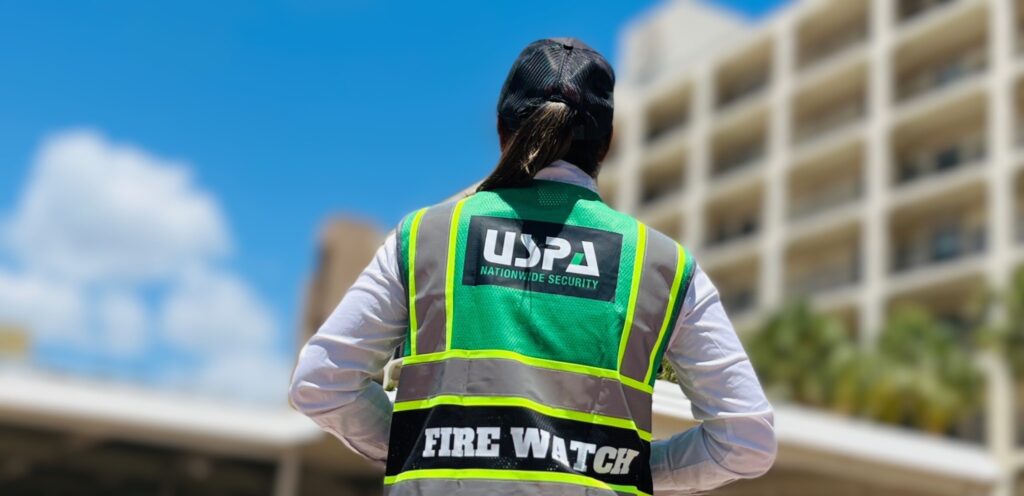
Top Rated Fire Watch in Delano.(Open Now)
24/7 Dispatch: (800) 214-1448
Online Estimates: Over 500,000 hours of Fire Watch services delivered annually.
Top Rated: 4.9 Google Rating, Managed by Military Veterans and ex-Navy SEALs.
Open 24-hours: Immediate deployment of Fire Watch Guards.
Fire Experts: Compliant with NFPA 51B and OSHA standards.
Decades in Business: Leading providers of Fire Watch services for over two decades.
Highly Reviewed: A+ Rated Fire Watch Service near Delano, CA
USPA Nationwide Security provides expert fire watch services in Delano, prioritizing the safety of properties and individuals. Our extensively trained team is prepared to manage all fire-related emergencies, offering uninterrupted monitoring and rapid assistance.
Need Fire Watch Services Immediately? Here’s Why We Stand Out:
Top-Rated Expertise: A+ Rated by the Chamber of Commerce, reflecting our longstanding commitment to excellence.
Exceptional Reputation: Consistently high 4.9 rating on Google over the past decades, showcasing customer satisfaction and trust.
Industry-Leading Authority: Our Director of Fire Watch, Brian Fitzgibbons, is a celebrated keynote speaker and a published author in fire prevention.
Always Ready: We offer 24/7 availability for immediate assistance, ensuring rapid response in Delano
Recognized: Fully approved by Fire Marshals for meeting critical safety standards.
Strict Adherence to Safety Standards: We are fully compliant with all NFPA (National Fire Protection Association) regulations.

 Christopher LeeApril 24, 2023
Trustindex verifies that the original source of the review is Google.
Absolute pleasure to work with this group of professionals. Anyone looking for protective or security services would do well to hire USPA or their contractors. Jason CantieApril 20, 2023USPA Nationwide Security Was there for us at a desparate time! Their service was fast and professional! I Highly recommend them!
 Kerry RodierMarch 30, 2023Mike Evans and USPA there are very little words that would convey my gratitude to you and your company in the search for my son Séamus. Without your selflessness and compassion I would not have been able to get through this tragic time. You have brought me less heartache by giving me the knowledge that this was just a tragic accident as opposed to some other sinister act. I breathed easier knowing I had you and your company by my side tirelessly looking for Séamus. Your professionalism is unparalleled and you will always have my undying gratitude. Sincerely, Kerry Rodier Gray
 Allison KiddFebruary 21, 2023This company embodies integrity and hard work.
 Kendall EdwardsFebruary 21, 2023These guys are amazing! They are true professionals, they also spend their free time rescuing missing children. You can’t beat an organization like this.
 Monika KamardinovJanuary 17, 2023I was invited to a party last week where USPA Security guys were our bodyboards. They were very professional and made sure that we all felt safe during our gathering. I would definitely hire them for my events!
 Jurate LuckaiteJanuary 17, 2023I hired USPA Security company and I could not be any happier. Not only I received the most professional bodyguard team led by Navy Seals and Army Rangers, but I also received close protection for me and my girlfriends. The team is super professional. They actually care and go above and beyond to make sure you feel safe and protected. I was provided with VIP Aircraft and limo services to and from the airport. I received the VIP treatment in every step. I highly recommend USPA Nationwide Security team because they respect their client and their service is exceptional. It is an honor and pleasure to work with the team.
 Malan Best SecurityDecember 9, 2022Our company has been fortunate enough to work with USPA extensively over the last year and we cannot voice our appreciation enough. USPA has kept us steadily busy with work and we look forward to working with them for a very long time. Each representative of USPA we’ve been in contact with thus far has been a pleasure to work with and lastly, knowing that some of their profits are donated to some great causes is an incentive to continue working closely with this company. Thank you guys again. MBS TEAM
 Strong SecurityDecember 9, 2022I AM A PROUD CONTRACTOR WITH THIS ORGANIZATION AND ALL I CAN SAY IS I WILL BE HELPING THEM GET TO THE HIGHEST HEIGHTS POSSIBLE!!! President Manning of USPA has to be one the most honest and genuine men I've met in this industry!!! Marc E Singletary, MBA (DBA 2024)
 Nick POctober 10, 2022I have been using USPA as my security contractor for a few years now and their service is exceptional. Dan and Brian are extremely attentive and always able to help with our last-minute projects that fall outside of our main service contract. They provide exceptional oversight, and their communication could not be better. I would fully endorse USPA for any project, whether it be short or long term. This company has excellent values and always adheres to them. You will not be disappointed.
Fire Watch Managed by Keynote Speaker and Trainer, Brian Fitzgibbons

Director of Fire Watch and Security
Brian Fitzgibbons oversees our fire watch contracts in the Delano region.
Office: (800) 214-1448
– Fire Watch for Construction Sites in Delano
– Oversight of Faulty Fire Suppression Systems
– Fire Safety during Hot Work and Welding Operations
– Scheduled Maintenance for Fire Systems
– Fire Surveillance for Residential and Commercial Properties
Top Rated with a 4.9 Google Rating, Managed by Military Veterans and ex-Navy SEALs
USPA Nationwide Security stands out as a premier provider of security services, boasting an impressive 4.9 Google rating. This top rating reflects the company’s dedication to excellence, reliability, and customer satisfaction. The leadership team comprises highly skilled military veterans and ex-Navy SEALs, bringing unparalleled expertise and discipline to the organization. Their military backgrounds ensure that USPA operates with precision, strategic planning, and a commitment to rigorous standards of safety and security. Clients benefit from this exceptional management, knowing that their security needs are handled by professionals with decades of real-world experience in high-stakes environments. This combination of outstanding customer feedback and expert leadership makes USPA Nationwide Security a trusted and top-rated choice for security services across various sectors.

Ensuring Safety on Delano Construction Sites
24/7 Dispatch: (800) 214-1448
In Delano, the importance of stringent fire safety measures on construction sites is paramount. These sites often present numerous fire hazards, such as flammable building materials and complex electrical installations, posing significant risks to workers, nearby properties, and the environment. Welding, in particular, is a high-risk activity that generates intense heat and sparks, significantly increasing the likelihood of fire outbreaks. Implementing robust fire safety protocols, including dedicated fire watch services, is essential to mitigate these risks and protect the community.
Top features of OSHA Compliance: Fire Watch Service in Delano, CA
Hot Work Permits (OSHA Standard 29 CFR 1910.252): Delano enforces a stringent hot work permit system in accordance with OSHA Standard 29 CFR 1910.252. This system ensures that any hot work activity, such as welding or cutting, is pre-approved and that all safety precautions are documented and reviewed before commencing the task. The permit process includes assessing the work area for potential fire hazards and implementing necessary safeguards.
Fire Watch Personnel (OSHA Standard 29 CFR 1910.252(a)(2)(iii)(B)): OSHA requires that a fire watch be present during hot work operations, and Delano adheres to this mandate by employing trained fire watch personnel. These individuals are responsible for continuously monitoring the work area and adjacent spaces for at least 30 minutes after the completion of hot work, ensuring that any signs of fire are promptly addressed.
Training and Certification (OSHA Standard 29 CFR 1910.252(a)(2)(xiii)): Compliance with OSHA standards in Delano involves rigorous training and certification of fire watch personnel. This includes education on fire safety practices, operation of fire extinguishing equipment, and emergency response procedures. Proper training ensures that fire watch personnel are equipped to handle potential fire hazards effectively.
Proper Fire Extinguishing Equipment (OSHA Standard 29 CFR 1910.157): Delano ensures that appropriate fire extinguishing equipment is readily available at all hot work sites, as specified by OSHA Standard 29 CFR 1910.157. This includes having portable fire extinguishers of the correct type and capacity to address potential fires, ensuring they are inspected and maintained regularly for reliability and effectiveness.
Hazard Identification and Control (OSHA Standard 29 CFR 1910.38): In compliance with OSHA Standard 29 CFR 1910.38, Delano places a strong emphasis on identifying and controlling fire hazards in the workplace. This involves conducting thorough risk assessments before hot work begins, removing or protecting flammable materials, and implementing controls such as fire-resistant barriers and adequate ventilation to mitigate fire risks.
By following these specific OSHA codes and standards, Delano ensures that fire watch services are effectively safeguarding workers and facilities from fire hazards associated with hot work operations. This comprehensive approach to fire safety compliance helps to maintain a secure and compliant working environment.
5 Main Features of NFPA 51B Followed in Delano
Fire Watch Implementation: Delano strictly enforces the requirement for a fire watch during hot work operations. According to NFPA 51B, a designated fire watch person must be present during and after any hot work activity to monitor for potential fire hazards. This includes maintaining vigilance in the work area and adjacent spaces for at least 30 minutes after the completion of the hot work.
Hot Work Permit System: A hot work permit system is utilized in Delano to manage and document hot work activities. The permit ensures that all necessary precautions are taken before, during, and after the work. This includes verifying the presence of fire protection and suppression equipment and confirming that the area is clear of flammable materials.
Training and Qualifications: Fire watch personnel in Delano are required to be adequately trained and knowledgeable about fire hazards associated with hot work. They must be capable of operating fire extinguishing equipment and understanding the procedures to follow in case of an emergency, aligning with NFPA 51B guidelines.
Inspection of Work Area: Before commencing any hot work, the work area in Delano is thoroughly inspected to identify and mitigate fire hazards. This involves clearing flammable materials, ensuring appropriate fire protection measures are in place, and setting up barriers to contain sparks and hot slag, as mandated by NFPA 51B.
Emergency Preparedness: In accordance with NFPA 51B, Delano emphasizes the importance of emergency preparedness during hot work. This includes having fire suppression equipment readily available and ensuring that fire alarm systems are operational. Fire watch personnel must be familiar with emergency procedures and the locations of fire extinguishers and exits.
By adhering to these key features of NFPA 51B, Delano, CA, ensures that hot work operations are conducted safely and that the risk of fire incidents is minimized. These measures not only protect the workers but also help maintain overall safety in the community.
Helpful Information about Fire Watch in Delano, CA
8 Essential Fire Codes Ensuring Industrial Safety in Delano, CA
Industrial safety in Delano, CA, relies heavily on adherence to strict fire codes designed to protect life and property. Ensuring compliance with these fire codes not only mitigates fire risks but also enhances overall safety for workers and industrial facilities. Below are eight essential fire codes crucial for maintaining industrial safety in Delano.
1. Fire Protection Systems (California Fire Code Chapter 9)
Installation and Maintenance
The California Fire Code (CFC) Chapter 9 mandates the installation and regular maintenance of fire protection systems, including fire alarms, sprinkler systems, and smoke detectors. These systems are critical for early fire detection and suppression.
Compliance
Regular inspections and testing of these systems are required to ensure they function correctly during emergencies. Non-compliance can result in significant penalties and increased risk of fire-related incidents.
2. Hazardous Materials Management (CFC Chapter 50)
Storage and Handling
CFC Chapter 50 provides comprehensive guidelines for the storage, handling, and disposal of hazardous materials. Proper labeling, containment, and storage conditions must be adhered to prevent fires and explosions.
Training
Employees handling hazardous materials must be adequately trained in safety procedures to minimize risks.
3. Emergency Planning and Preparedness (CFC Chapter 4)
Emergency Plans
Industrial facilities must develop and maintain an emergency response plan as outlined in CFC Chapter 4. This plan should include evacuation routes, fire drills, and coordination with local fire departments.
Regular Drills
Conducting regular fire drills ensures that employees are familiar with emergency procedures and can respond swiftly in the event of a fire.
4. Fire Apparatus Access Roads (CFC Section 503)
Access Requirements
CFC Section 503 specifies that fire apparatus access roads must be maintained for all industrial facilities. These roads must have a minimum width and be clear of obstructions to allow fire trucks and emergency vehicles easy access.
Maintenance
Regular maintenance of these access roads is essential to ensure they remain passable and meet the required specifications.
5. Fire Safety During Construction (CFC Chapter 33)
Site Safety
During construction or renovation, CFC Chapter 33 mandates specific fire safety measures to prevent fires. This includes safe storage of flammable materials, fire watch services, and maintaining clear access for emergency vehicles.
Monitoring
Continuous monitoring for fire hazards is crucial during construction activities, particularly those involving hot work like welding.
6. Fire Watch Requirements (CFC Section 901.7)
When Required
Fire watch services must be implemented when fire protection systems are out of service or during high-risk activities. This ensures continuous monitoring for potential fire hazards.
Responsibilities
Fire watch personnel are responsible for identifying and addressing fire hazards, ensuring fire extinguishers are available, and maintaining communication with emergency services.
7. Building and Fire Code Compliance (CFC Chapter 1)
Permit and Inspections
Chapter 1 of the CFC requires that industrial facilities obtain the necessary permits for construction and modifications. Regular inspections ensure compliance with all fire safety regulations.
Documentation
Maintaining accurate records of all permits, inspections, and maintenance activities is essential for compliance and auditing purposes.
8. Fire Resistance-Rated Construction (CFC Chapter 7)
Building Materials
CFC Chapter 7 specifies the use of fire-resistant materials in the construction of industrial facilities. This includes fire-rated walls, doors, and other structural elements designed to contain and prevent the spread of fire.
Upgrades and Retrofitting
Older buildings must be upgraded or retrofitted to meet current fire resistance standards, ensuring they provide adequate protection against fire hazards.
Adhering to these essential fire codes is crucial for industrial safety in Delano, CA. By implementing robust fire protection systems, managing hazardous materials safely, maintaining clear access for emergency vehicles, and ensuring compliance with building codes, industrial facilities can significantly reduce the risk of fire-related incidents. Regular training, emergency planning, and rigorous inspections further enhance safety, protecting both workers and property.
Innovative Fire Protection Systems: What’s New in CFC 2022
The 2022 California Fire Code (CFC) brings several cutting-edge updates to fire protection systems, enhancing safety and ensuring compliance with the latest standards.
1. Advanced Sprinkler Technologies
The new code includes provisions for high-performance automatic sprinkler systems. These systems feature quicker response times and optimized water distribution, ensuring efficient fire suppression while minimizing water damage.
2. Enhanced Fire Alarm Systems
The CFC 2022 mandates the integration of advanced fire alarm systems with building management systems. These modern alarms offer improved detection capabilities, including multi-criteria sensors that can differentiate between actual fires and false alarms caused by cooking smoke or steam. Enhanced communication protocols ensure faster notification to occupants and emergency services.
3. Water Mist Systems
Automatic water mist systems are now recognized in the CFC 2022. These systems utilize fine water sprays to control and suppress fires, offering an efficient alternative to traditional sprinklers. They are particularly effective in areas where water damage must be minimized, such as museums, libraries, and data centers.
4. Clean Agent Fire Suppression
The updated code includes provisions for clean agent fire suppression systems, which use gases like FM-200 or Novec 1230 to extinguish fires without damaging sensitive equipment. These systems are ideal for protecting critical infrastructure such as server rooms, telecommunications facilities, and medical labs.
5. Improved Foam Systems
The CFC 2022 enhances the standards for foam fire-extinguishing systems. These systems now include better formulations and deployment mechanisms, ensuring more effective coverage and faster suppression of fires involving flammable liquids. They are crucial in industrial settings, aircraft hangars, and areas storing hazardous materials.
6. Hybrid Fire Extinguishing Systems
A notable addition to the CFC 2022 is the hybrid fire extinguishing systems, which combine the benefits of clean agents and water mist. These systems provide superior fire suppression capabilities while ensuring minimal environmental impact and property damage.
7. Advanced Smoke Control Systems
The new code emphasizes the importance of advanced smoke control systems, incorporating features such as intelligent smoke exhaust fans and pressurization systems. These systems are designed to manage and control the movement of smoke in high-rise buildings, ensuring safe evacuation routes for occupants.
8. Enhanced Monitoring and Maintenance Requirements
The CFC 2022 introduces stricter requirements for the monitoring and maintenance of fire protection systems. Regular inspections, testing, and maintenance protocols are mandated to ensure all systems function optimally in case of an emergency. Advanced monitoring technologies, including remote diagnostics and predictive maintenance tools, are encouraged to enhance system reliability.
9. Integration of IoT and Smart Technologies
The updated fire code recognizes the role of the Internet of Things (IoT) and smart technologies in fire protection. These technologies enable real-time monitoring, data analysis, and automated responses, significantly improving fire safety management. Smart sensors, connected alarms, and integrated building management systems work together to provide a comprehensive and responsive fire protection strategy.
10. Focus on Sustainability
The CFC 2022 also focuses on sustainability in fire protection systems. The new standards encourage the use of environmentally friendly fire suppression agents and systems that reduce water and chemical usage. Sustainable design practices and materials are promoted to minimize the ecological footprint of fire protection measures.
These innovations in the 2022 California Fire Code reflect a commitment to leveraging the latest technology and best practices to enhance fire safety, ensuring that buildings and their occupants are better protected against fire hazards.
An In-Depth Comparative Analysis: California Fire Codes vs. International Standards
Fire safety codes are critical for ensuring the protection of life and property in various environments. This analysis examines the differences and similarities between the California Fire Code (CFC) and the International Fire Code (IFC), highlighting how these regulations complement each other and the unique aspects of each code.
Introduction to Fire Safety Standards
California Fire Code (CFC)
The California Fire Code is part of the California Code of Regulations, Title 24, which encompasses the building standards and codes in California. The CFC provides comprehensive regulations for fire safety in residential, commercial, and industrial buildings. It includes specific amendments that address the unique risks and needs of California, such as earthquake resilience and wildfire prevention.
International Fire Code (IFC)
The International Fire Code, developed by the International Code Council (ICC), sets forth model fire safety regulations used worldwide. The IFC covers a broad range of fire safety concerns, including fire prevention, fire protection systems, emergency planning, and the handling of hazardous materials. It serves as a baseline for many jurisdictions, which may adopt it wholly or with local amendments.
Key Components of Fire Safety Codes
Fire Protection Systems
California Fire Code
CFC Chapter 9 details the requirements for fire protection systems, including the installation and maintenance of fire alarms, sprinklers, and smoke detectors. These systems are mandatory in various types of buildings, ensuring early detection and suppression of fires.
International Fire Code
IFC Chapter 9 mandates comprehensive fire protection measures. The IFC emphasizes the importance of these systems in mitigating fire risks and provides detailed guidelines for their design, installation, and maintenance.
Emergency Egress
California Fire Code
CFC Chapter 10 specifies the requirements for emergency egress, ensuring that all buildings have clearly marked and accessible exits. This chapter addresses the number of exits, their placement, and accessibility, particularly for individuals with disabilities.
International Fire Code
The IFC also covers emergency egress in Chapter 10, mirroring the requirements found in the CFC. Both codes emphasize the necessity of unobstructed and well-marked exits to facilitate safe evacuations during emergencies.
Hazardous Materials
California Fire Code
CFC Chapter 50 regulates the storage and handling of hazardous materials, including flammable liquids, gases, and chemicals. The chapter provides guidelines for proper labeling, containment, and storage conditions to prevent accidents.
International Fire Code
IFC Chapter 50 outlines similar requirements for hazardous materials management. The IFC’s comprehensive approach ensures that hazardous materials are handled safely to prevent fires and explosions.
Wildfire Risk Reduction
California Fire Code
Given California’s susceptibility to wildfires, the CFC includes specific provisions for wildfire risk reduction. These regulations cover defensible space requirements, building materials resistant to fire, and maintenance practices to reduce vegetation and other flammable materials.
International Fire Code
While the IFC addresses general fire prevention and protection, it does not include the same level of detail as the CFC concerning wildfire risk. Jurisdictions prone to wildfires often incorporate additional local amendments to the IFC to address these specific risks.
Comparative Analysis of Specific Provisions
Fire Apparatus Access Roads
California Fire Code
CFC Section 503.2.1 requires that fire apparatus access roads have a minimum width of 20 feet and a vertical clearance of 13 feet 6 inches. These roads must be capable of supporting the weight of fire apparatus and provide adequate turning radius and space for maneuvering.
International Fire Code
The IFC includes similar requirements in Section 503.2.1, ensuring that fire apparatus can access buildings and navigate roads effectively. The consistency between the CFC and IFC in this area highlights the universal need for accessible and operational fire apparatus roads.
High-Rise Buildings
California Fire Code
The CFC imposes stringent regulations on high-rise buildings, including requirements for fire protection systems, emergency communication systems, and regular fire drills. These buildings must also have fire-resistant construction materials and emergency power systems.
International Fire Code
The IFC also includes comprehensive requirements for high-rise buildings, addressing similar aspects as the CFC. Both codes recognize the unique challenges and risks associated with high-rise structures, ensuring that they are equipped to handle fire emergencies effectively.
Case Study: Implementation in California
Example Scenario: Industrial Facility
An industrial facility in California must comply with both the CFC and the IFC for its fire safety measures. The facility stores hazardous materials, requiring adherence to CFC and IFC Chapter 50 regulations.
Steps Taken:
Fire Protection Systems: The facility installs state-of-the-art fire alarms and sprinklers in compliance with Chapter 9 of both codes.
Emergency Egress: All exits are clearly marked and maintained as per Chapter 10 requirements.
Hazardous Materials Management: Hazardous materials are stored and labeled according to Chapter 50 guidelines, ensuring safe handling and storage conditions.
By aligning with both the CFC and IFC, the facility enhances its fire safety protocols, reducing the risk of fire incidents and ensuring regulatory compliance.
Legal Framework and Enforcement
Authority and Enforcement
Both the CFC and IFC are enforced by local fire departments and fire marshal offices. These authorities conduct regular inspections, issue permits, and ensure compliance with fire safety regulations.
Legal Implications of Non-Compliance
Case Law Example: Colton Business Association v. City of Colton (2020)
In this case, the Colton Business Association challenged the city’s stringent fire safety regulations, claiming they were excessively burdensome. The court upheld the city’s regulations, emphasizing their necessity for public safety and fire hazard prevention. This case reinforces the authority of local governments to enforce rigorous fire safety standards and highlights the importance of these regulations in protecting public safety.
Penalties for Non-Compliance
Non-compliance with fire safety regulations can lead to significant penalties, including fines, mandatory corrective actions, and potential closure of non-compliant facilities. Regular inspections and adherence to fire codes are essential to avoid these legal and financial repercussions.
Best Practices for Ensuring Compliance
Collaboration with Fire Safety Experts
Engaging with fire safety experts, such as USPA Nationwide Security, can help businesses and property owners ensure compliance with fire codes. These experts provide guidance on fire protection systems, emergency planning, and hazard management.
Regular Training and Drills
Providing regular training for employees and conducting fire drills are critical components of fire safety. These practices ensure that everyone is aware of the emergency procedures and can respond effectively in case of a fire.
Comprehensive Fire Safety Plans
Developing and maintaining comprehensive fire safety plans that include all aspects of fire prevention, protection, and emergency response is vital. These plans should be regularly reviewed and updated to reflect any changes in the building or operations.
Utilizing Technology
Leveraging advanced technology, such as automated fire detection systems and remote monitoring, can enhance fire safety measures. These technologies provide real-time data and alerts, enabling swift response to potential fire hazards.
Aligning California’s fire codes with the International Fire Code ensures a robust framework for fire safety. This alignment not only protects lives and property but also provides legal clarity and support for enforcing fire safety regulations. By adopting international standards, California effectively manages fire risks and maintains a high level of preparedness for emergencies. Understanding and adhering to these regulations is crucial for businesses and property owners to ensure comprehensive fire safety and compliance.
Ensuring Fire Alarm System Compliance: Key CFC 2022 Standards
The 2022 California Fire Code (CFC) introduces several critical standards for fire alarm system compliance to enhance safety and reliability.
1. System Installation and Design: Fire alarm systems must be designed and installed following the National Fire Alarm and Signaling Code (NFPA 72). The design should ensure comprehensive coverage, including detection devices, manual pull stations, and notification appliances.
2. System Testing and Maintenance: Regular testing and maintenance are mandatory. Systems must be tested at least annually, with more frequent testing for specific components. Records of all inspections, tests, and maintenance activities must be maintained for review by fire code officials.
3. Notification and Communication: Fire alarm systems must have clear and effective notification methods, including audible and visual alarms. These systems should be integrated with the building’s emergency communication system to provide real-time information to occupants and first responders.
4. Power Supply Requirements: Fire alarm systems must have a reliable primary power source and an emergency backup power supply to ensure continuous operation during power outages. The backup power source should be capable of supporting the system for at least 24 hours.
5. Monitoring and Reporting: Fire alarm systems must be monitored by a central station to ensure immediate response to any alarms. The monitoring service should be able to promptly notify emergency responders and the building management of any fire events.
6. Smoke and Heat Detectors: Smoke and heat detectors must be strategically placed throughout the building, including in high-risk areas such as kitchens, electrical rooms, and storage areas. Detectors should be regularly tested and maintained to ensure functionality.
7. Manual Fire Alarm Boxes: Manual fire alarm boxes (pull stations) must be installed near exits and in other strategic locations to allow occupants to manually initiate an alarm. These devices should be easily accessible and clearly marked.
8. Integration with Fire Suppression Systems: Fire alarm systems must be integrated with the building’s fire suppression systems, such as sprinklers and clean agent systems, to ensure coordinated response during a fire event. Activation of one system should trigger the other to enhance overall fire protection.
9. Emergency Voice/Alarm Communication Systems (EVACS): In large or complex buildings, EVACS should be installed to provide clear voice instructions to occupants during emergencies. These systems should be capable of delivering both pre-recorded and live messages.
10. Compliance Documentation: Detailed documentation of system design, installation, testing, and maintenance must be maintained. This documentation should be readily available for review by fire inspectors to ensure compliance with the CFC standards.
By adhering to these key standards, buildings in California can ensure that their fire alarm systems are compliant with the 2022 CFC, providing enhanced safety and protection for occupants and property.
Additional information about Delano, CA
Fire guards are trained to protect your property from fire, theft and vandalism while you’re away. They can also provide hot work (welding) fire watch for construction sites using approved equipment to ensure safety measures while welding is being performed on-site. Our security guards will patrol the area around your building to ensure that unauthorized people do not enter the premises, especially at night when it’s easy to be confused with authorized personnel visiting the site after hours.
Security Guard Service Delano, CA
We are bonded, licensed, insured, and have over 10 years’ experience in the industry. Whether it’s day or night our security officers will be at your location on-time ready to work for any situation that may arise. All of our security guards are highly trained professionals who undergo background checks and drug tests before being hired by us. Our armed guards are fully equipped with all the necessary equipment to handle even the toughest situations imaginable! With USPA Nationwide Security as your partner in crime prevention, you can rest easy knowing that your assets are safe from harm while still maintaining a professional appearance on site. Give us a call today at (800) 214-1448 or email dmanning@uspasecurity.com for more information!
When you hire USPA as your close protection agency, you get highly trained former military or law enforcement professionals who are experienced in executive protection and security services. They use state-of-the-art technology and equipment for maximum safety. Our armed guards provide 24/7 professional security services for business executives, celebrities, dignitaries and private individuals who require high levels of personal security assistance anywhere in the country or around the world. Call (800) 214-1448 or email dmanning@uspasecurity.com today!
(800) 214-1448 – Fire Watch Service Delano, California. Hot Work Fire Guards Delano. Licensed & insured. Fire Marshal Approved. Firewatch Company CA. Security Guard Service Delano, CA. Armed Bodyguard Service CA.
Frequently Asked Fire Watch and Fire Safety in Delano, CA
Who should I call for Fire Watch in Delano?
Call (800) 214-1448 for Delano Fire Watch
How often must fire alarm systems be tested according to the 2022 CFC?
Fire alarm systems must be tested at least annually, with more frequent testing for specific components, ensuring proper operation and compliance with the latest standards.
What is the role of fire watch personnel during hot work in Delano, CA?
Fire watch personnel monitor the work area continuously during and after hot work activities to promptly address any fire hazards, complying with OSHA and CFC regulations.
What specific equipment must fire watch personnel have on hand in Delano?
Fire watch personnel must have appropriate fire extinguishing equipment, such as portable fire extinguishers, readily accessible at all times. They must also ensure that this equipment is regularly inspected and maintained.
How does Delano enforce fire watch regulations during construction projects?
Delano enforces fire watch regulations by requiring hot work permits, conducting regular inspections, and ensuring that trained fire watch personnel are present during high-risk activities. Compliance with local fire codes and OSHA standards is strictly monitored to enhance safety on construction sites.
Related Fire Watch Links in Delano
Introduction to Fire Watch eBook (Free)
Fire Watch Plans (Free)
Top 15 Crucial NFPA and OSHA Regulations for Construction Site Fire Watch
Construction Site Fire Watch
Fire Watch Seminar
Aerosols and Fire Safety in Delano, California: A Case Study
By: Brian Fitzgibbons
Brian Fitzgibbons is a distinguished fire safety expert with extensive experience in fire codes, fire watch, and fire safety measures. As a keynote speaker and author, he has contributed significantly to the field, educating professionals nationwide on essential fire safety practices.
About USPA Nationwide Security:
USPA Nationwide Security has been a trusted provider of security and fire watch services for nearly 20 years. With a 4.9 Google rating and an A+ rating from the Chamber of Commerce, USPA Nationwide Security is committed to delivering top-quality services to its clients.
Introduction to Fire Safety and Aerosols
In the realm of fire safety, the handling and storage of aerosols present unique challenges and hazards. Aerosols, due to their pressurized nature and flammable contents, are prone to causing severe fire incidents if not managed properly. This case study examines Chapter 51 of the California Fire Code (CFC), which addresses the regulations surrounding aerosols, and explores a real-life application of these regulations through the case of Delano Fire Department v. Warehouse Facility (2016).
Chapter 51 of the California Fire Code: Aerosols
Fire Codes and Aerosol Regulations
Chapter 51 of the California Fire Code provides comprehensive guidelines for the storage, handling, and use of aerosol products. These regulations are designed to minimize the risk of fire and ensure the safety of facilities storing these potentially hazardous materials.
Key components of Chapter 51 include:
Storage Requirements: Specifications on the types of storage allowed, including the use of flammable storage cabinets and limitations on quantities stored in a single location.
Separation and Segregation: Requirements for separating aerosols from other flammable materials and maintaining safe distances between storage units.
Ventilation: Guidelines on the need for proper ventilation in storage areas to prevent the accumulation of flammable vapors.
Fire Protection Systems: Mandates on the installation of fire suppression systems, such as sprinklers, in areas where aerosols are stored.
Labeling and Signage: Requirements for clear labeling of storage areas and appropriate hazard signage to inform personnel of potential risks.
Case Study: Delano Fire Department v. Warehouse Facility (2016)
Background
In 2016, the Delano Fire Department took legal action against a local warehouse facility for multiple violations of fire safety codes, including the improper storage of aerosols. The facility had been cited several times for blocked fire exits, non-functional fire alarms, and inadequate fire suppression systems.
Violations and Legal Actions
The primary violations observed at the warehouse facility included:
Blocked Fire Exits: Fire exits were obstructed, preventing safe evacuation in the event of a fire.
Non-functional Fire Alarms: The facility’s fire alarm system was not operational, hindering the ability to alert occupants and emergency services in case of a fire.
Inadequate Fire Suppression Systems: The warehouse lacked proper fire suppression systems, such as sprinklers, in areas where aerosols were stored.
The Delano Fire Department filed a lawsuit against the facility, seeking to enforce compliance with Chapter 51 of the California Fire Code. The court’s decision underscored the critical importance of adhering to fire safety regulations.
Legal Brief: Implications of Delano Fire Department v. Warehouse Facility
Court’s Decision
The court ruled in favor of the Delano Fire Department, mandating that the warehouse facility take immediate corrective actions to address the violations. The facility was required to:
Unblock Fire Exits: Ensure all fire exits are accessible and free from obstructions.
Repair and Maintain Fire Alarms: Restore functionality to the fire alarm system and implement a regular maintenance schedule.
Install Fire Suppression Systems: Equip storage areas with appropriate fire suppression systems, particularly in zones where aerosols are stored.
Impact on Fire Safety Practices
This case serves as a significant precedent, highlighting the legal and safety implications of non-compliance with fire codes. It emphasizes the responsibility of property owners and managers to maintain strict adherence to fire safety regulations to protect lives and property.
Integration of Fire Watch Services
Fire Watch in Delano
In situations where fire safety systems are compromised, the implementation of fire watch services becomes essential. Fire watch personnel play a crucial role in monitoring premises for fire hazards, ensuring the safety of occupants, and facilitating emergency response.
Responsibilities of Fire Watch Personnel
Fire watch personnel in Delano are tasked with:
Continuous Monitoring: Conducting regular patrols to identify and mitigate fire risks.
Immediate Response: Alerting emergency services and assisting in evacuation efforts if a fire is detected.
Documentation: Keeping detailed records of patrols, observations, and any incidents to aid in future safety assessments.
Fire Safety and Aerosols: Best Practices
Storage and Handling
To comply with Chapter 51 of the California Fire Code and ensure the safe management of aerosols, facilities should:
Use Approved Storage Cabinets: Store aerosols in flammable storage cabinets designed to contain potential fires.
Maintain Safe Distances: Segregate aerosols from other flammable materials and maintain safe distances between storage units.
Ensure Adequate Ventilation: Implement ventilation systems to prevent the buildup of flammable vapors.
Regular Inspections and Maintenance
Facilities must conduct regular inspections and maintenance of fire safety systems, including:
Fire Alarms: Ensure fire alarm systems are functional and undergo routine testing.
Fire Suppression Systems: Install and maintain sprinklers and other fire suppression systems in aerosol storage areas.
Clear Exits: Keep all fire exits clear and accessible at all times.
The enforcement of Chapter 51 of the California Fire Code in Delano is vital for maintaining fire safety, particularly in facilities that handle aerosols. The case of Delano Fire Department v. Warehouse Facility underscores the necessity of adhering to these regulations and the potential consequences of non-compliance. By integrating comprehensive fire watch services and following best practices for the storage and handling of aerosols, businesses can significantly mitigate fire risks and ensure the safety of their premises and occupants.
References
California Fire Code, Chapter 51: Aerosols.
International Fire Code, Chapter 2: Fire Protection and Prevention.
Case Law: Delano Fire Department v. Warehouse Facility (2016).
By maintaining vigilance and prioritizing fire safety, Delano can continue to protect its community from the devastating effects of fire incidents.
For more detailed information about fire watch services in Delano, call (800) 214-1448.