
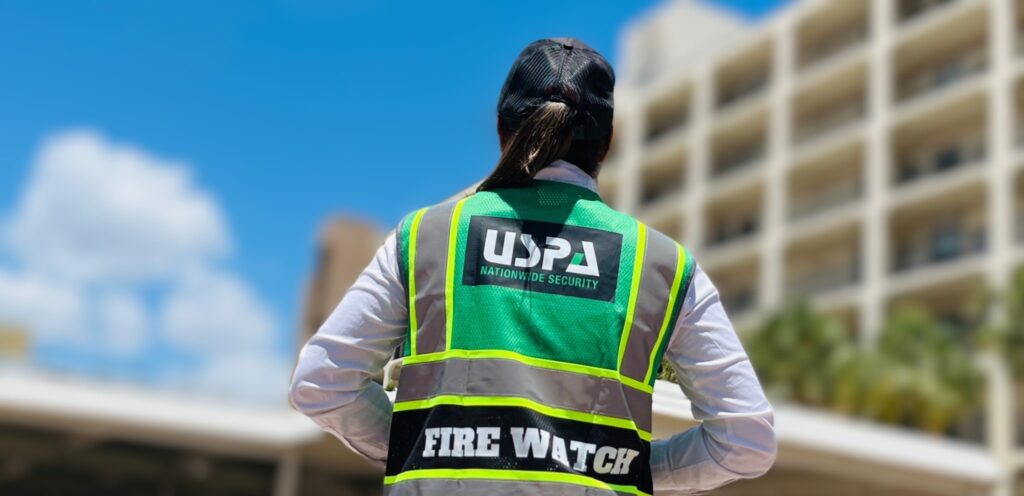
Top-rated Fire Watch in Encinitas, CA. (Open Now)
24/7 Dispatch: (800) 214-1448
In a Rush? Key Takeaways:
Open Now: 500,000+ hours of annual Fire Watch service.
Top Rated: 4.9 Google Rating, Led by Military Veterans & former Navy SEAL’s.
Online Estimates: Instant dispatch of Fire Watch Guards.
Fire Experts: Adherence to NFPA 51B and OSHA standards.
NFPA: Industry leaders in Fire Watch services for over a decade.
Insured $3M: A+ Rated Fire Watch Service near Encinitas, CA
USPA Nationwide Security offers highly rated fire watch guards in Encinitas, California endorsed by the Chamber of Commerce and certified by OSHA. They guarantee compliance with fire safety regulations and provide thorough protection services.
Need Fire Watch Services Immediately? Here’s Why We Stand Out:
Top-Rated Expertise: A+ Rated by the Chamber of Commerce, reflecting our longstanding commitment to excellence.
Decades of Proven Experience: Thriving in our third decade of business, we bring a wealth of knowledge and reliability.
Exceptional Reputation: Consistently high 4.9 rating on Google over the past decades, showcasing customer satisfaction and trust.
Industry-Leading Authority: Our Director of Fire Watch, Brian Fitzgibbons, is not only a celebrated keynote speaker but also a published author in fire prevention.
Always Ready: We offer 24/7 availability for immediate assistance, ensuring rapid response when you need it most.
Officially Recognized: Fully approved by Fire Marshals for meeting critical safety standards.
Strict Adherence to Safety Standards: We are fully compliant with all NFPA (National Fire Protection Association) regulations, guaranteeing the highest level of fire safety and prevention.

 Christopher LeeApril 24, 2023
Trustindex verifies that the original source of the review is Google.
Absolute pleasure to work with this group of professionals. Anyone looking for protective or security services would do well to hire USPA or their contractors. Jason CantieApril 20, 2023USPA Nationwide Security Was there for us at a desparate time! Their service was fast and professional! I Highly recommend them!
 Kerry RodierMarch 30, 2023Mike Evans and USPA there are very little words that would convey my gratitude to you and your company in the search for my son Séamus. Without your selflessness and compassion I would not have been able to get through this tragic time. You have brought me less heartache by giving me the knowledge that this was just a tragic accident as opposed to some other sinister act. I breathed easier knowing I had you and your company by my side tirelessly looking for Séamus. Your professionalism is unparalleled and you will always have my undying gratitude. Sincerely, Kerry Rodier Gray
 Allison KiddFebruary 21, 2023This company embodies integrity and hard work.
 Kendall EdwardsFebruary 21, 2023These guys are amazing! They are true professionals, they also spend their free time rescuing missing children. You can’t beat an organization like this.
 Monika KamardinovJanuary 17, 2023I was invited to a party last week where USPA Security guys were our bodyboards. They were very professional and made sure that we all felt safe during our gathering. I would definitely hire them for my events!
 Jurate LuckaiteJanuary 17, 2023I hired USPA Security company and I could not be any happier. Not only I received the most professional bodyguard team led by Navy Seals and Army Rangers, but I also received close protection for me and my girlfriends. The team is super professional. They actually care and go above and beyond to make sure you feel safe and protected. I was provided with VIP Aircraft and limo services to and from the airport. I received the VIP treatment in every step. I highly recommend USPA Nationwide Security team because they respect their client and their service is exceptional. It is an honor and pleasure to work with the team.
 Malan Best SecurityDecember 9, 2022Our company has been fortunate enough to work with USPA extensively over the last year and we cannot voice our appreciation enough. USPA has kept us steadily busy with work and we look forward to working with them for a very long time. Each representative of USPA we’ve been in contact with thus far has been a pleasure to work with and lastly, knowing that some of their profits are donated to some great causes is an incentive to continue working closely with this company. Thank you guys again. MBS TEAM
 Strong SecurityDecember 9, 2022I AM A PROUD CONTRACTOR WITH THIS ORGANIZATION AND ALL I CAN SAY IS I WILL BE HELPING THEM GET TO THE HIGHEST HEIGHTS POSSIBLE!!! President Manning of USPA has to be one the most honest and genuine men I've met in this industry!!! Marc E Singletary, MBA (DBA 2024)
 Nick POctober 10, 2022I have been using USPA as my security contractor for a few years now and their service is exceptional. Dan and Brian are extremely attentive and always able to help with our last-minute projects that fall outside of our main service contract. They provide exceptional oversight, and their communication could not be better. I would fully endorse USPA for any project, whether it be short or long term. This company has excellent values and always adheres to them. You will not be disappointed.
Fire Watch Managed by Keynote Speaker and Trainer, Brian Fitzgibbons (protecting Encinitas)

Director of Fire Watch & Security
Brian Fitzgibbons
24/7 Dispatch: (800) 214-1448
– Emergency Fire Watch
– Hot work protocol (NFPA)
– Construction Site oversite (OSHA)
– Maintenance of Fire Suppression Systems
– Prearranged Fire Monitoring
Ensuring NFPA 51B Compliance with Encinitas Fire Watch
Our Fire Watch services in Encinitas, provided by USPA Nationwide Security, strictly adhere to NFPA 51B regulations, ensuring complete compliance with industry standards for fire safety. With extensive knowledge of NFPA 51B guidelines governing hot work operations and fire prevention, our expert team maintains vigilant oversight. Clients in Encinitas can rely on USPA Nationwide Security to uphold safety standards, mitigate fire risks, and ensure full compliance with NFPA 51B regulations, providing a safe environment for all.

Ensuring Construction Site Safety in Encinitas, CA
24/7 Dispatch: (800) 214-1448
In Encinitas, USPA Nationwide Security is dedicated to ensuring construction site safety, particularly during hot work and welding activities. Our vigilant presence and expertise provide comprehensive security solutions tailored to the unique needs of construction sites. Our skilled team of professionals is committed to safeguarding personnel, equipment, and property, mitigating risks, and maintaining a secure environment throughout the construction process. Trust USPA for reliable fire watch and construction site fire safety services in Encinitas.
Ensuring Industrial Safety in Encinitas with USPA Nationwide Security
24/7 Dispatch: (800) 214-1448
USPA Nationwide Security offers Industrial Fire Watch Services in Encinitas, providing industrial facilities with a reliable solution for safety and compliance. With a firm commitment to adhering to NFPA 51B and OSHA regulations, USPA ensures top-tier fire watch services. By partnering with USPA, industrial facilities can be confident that their fire safety requirements are expertly handled, maintaining a secure environment and effectively mitigating fire risks.
Helpful Links for Fire Protection and Fire Watch in Encinitas, CA
Synopsis of the 2024 California Fire Codes and Their Relevance to the International Fire Code (IFC)
The 2024 California Fire Codes are a comprehensive set of regulations designed to enhance fire safety, protect property, and ensure the well-being of residents and businesses throughout the state. These codes are developed to align with the International Fire Code (IFC), ensuring that California’s fire safety standards meet internationally recognized best practices. This synopsis provides an overview of the key components of the 2024 California Fire Codes and their relevance to the IFC.
Key Components of the 2024 California Fire Codes
Fire Protection Systems
Installation and Maintenance: The 2024 California Fire Codes mandate the installation and regular maintenance of fire protection systems, such as fire alarms, sprinkler systems, and smoke detectors, in all residential, commercial, and industrial buildings. These requirements are in line with Chapter 9 of the IFC, which emphasizes the importance of operational fire protection systems to control and extinguish fires effectively.
Testing and Inspection: Regular testing and inspection of fire protection systems are required to ensure they function correctly during an emergency. This aligns with IFC standards that call for periodic checks to maintain system reliability and performance.
Emergency Egress
Exit Routes: The codes stipulate that buildings must have clearly marked and accessible emergency exits. These routes should be free of obstructions and capable of accommodating all occupants, including those with disabilities. This requirement parallels Chapter 10 of the IFC, which provides detailed guidelines on the design and maintenance of egress systems to ensure safe evacuation.
Emergency Lighting: Emergency lighting systems must be installed and maintained to provide adequate illumination in case of a power outage, facilitating safe evacuation. This is consistent with IFC provisions that emphasize the importance of visibility during emergencies.
Hazardous Materials
Storage and Handling: The proper storage and handling of hazardous materials are critical components of the 2024 California Fire Codes. These regulations include requirements for labeling, storage conditions, and emergency procedures to prevent fires and explosions. Chapter 50 of the IFC offers similar guidelines, ensuring the safe management of hazardous substances.
Safety Data Sheets (SDS): Businesses must maintain up-to-date Safety Data Sheets for all hazardous materials, ensuring that information on handling, storage, and emergency measures is readily available. This aligns with IFC requirements for hazardous materials documentation.
Wildfire Mitigation
Defensible Space: California’s fire codes include specific provisions for creating defensible space around properties in wildfire-prone areas. This involves clearing vegetation and maintaining a safe distance between structures and flammable materials. These measures are designed to reduce the spread of wildfires and protect homes and businesses, complementing the IFC’s emphasis on wildfire prevention.
Building Materials: The use of fire-resistant building materials is mandated for new constructions and renovations in high-risk areas. This aligns with the IFC’s guidelines on construction practices in wildfire zones to enhance the resilience of structures against fire.
Legal Framework and Enforcement
Compliance and Inspections: The 2024 California Fire Codes are enforced through regular inspections by fire authorities. Non-compliance can result in fines, penalties, and orders to rectify deficiencies. This enforcement mechanism ensures adherence to fire safety standards, similar to the IFC’s approach to compliance.
Training and Certification: Fire safety personnel must undergo rigorous training and certification to stay updated on the latest fire safety practices and code requirements. This ensures that professionals are equipped to enforce the codes effectively, mirroring the IFC’s emphasis on continuous education and professional development.
Relevance to the International Fire Code (IFC)
The 2024 California Fire Codes are designed to align closely with the International Fire Code, ensuring consistency with global fire safety standards. This alignment facilitates the following benefits:
Standardization: By harmonizing state and international codes, California ensures that its fire safety practices are on par with international best practices, promoting a standardized approach to fire prevention and protection.
Cross-Jurisdictional Coordination: Alignment with the IFC enables easier coordination and mutual aid between different jurisdictions, especially in emergencies that require cross-border cooperation.
Adoption of Best Practices: The incorporation of IFC guidelines into California’s fire codes ensures that the state adopts proven fire safety measures, enhancing overall safety and resilience.
Global Compliance: Businesses operating in multiple states or countries benefit from consistent fire safety standards, simplifying compliance and reducing the risk of legal and regulatory issues.
The 2024 California Fire Codes represent a robust framework for fire safety, aligning closely with the International Fire Code to ensure high standards of protection for life and property. These codes cover critical areas such as fire protection systems, emergency egress, hazardous materials management, and wildfire mitigation. By adhering to these regulations, California continues to lead in fire safety, setting an example for other states and jurisdictions to follow. The alignment with the IFC underscores the importance of standardized, globally recognized fire safety practices, fostering a safer environment for all.
Overview of Chapter 50 of the California Fire Code and Its Impact on Encinitas
Chapter 50 of the California Fire Code (CFC) addresses the management, storage, and handling of hazardous materials, ensuring fire safety and preventing incidents related to hazardous substances. This chapter is crucial for communities like Encinitas, where diverse commercial and industrial activities necessitate stringent fire safety measures to protect both the environment and public health. This overview examines the key provisions of Chapter 50 and their specific implications for fire safety practices in Encinitas.
Key Provisions of Chapter 50
Definitions and Scope
Hazardous Materials: Chapter 50 defines hazardous materials broadly, including any substances that pose a risk to health, safety, or property due to their chemical nature. This encompasses flammable, explosive, toxic, corrosive, and reactive materials.
Applicability: The provisions of Chapter 50 apply to all facilities that store, handle, or use hazardous materials, ensuring comprehensive coverage across various sectors in Encinitas.
General Requirements
Permitting: Facilities in Encinitas handling hazardous materials must obtain the necessary permits from the local fire authority. This process ensures that all operations comply with fire safety standards and allows for regular inspections and oversight.
Safety Data Sheets (SDS): Facilities must maintain updated Safety Data Sheets (SDS) for all hazardous materials on-site. These documents provide crucial information on the properties, handling, and emergency measures associated with each material.
Storage and Handling
Container Specifications: Hazardous materials must be stored in approved containers designed to withstand the materials’ physical and chemical properties. This reduces the risk of leaks, spills, and reactions that could lead to fires or explosions.
Labeling: All hazardous materials containers must be clearly labeled with the material’s name, hazards, and handling instructions. Proper labeling helps prevent accidental misuse and facilitates quick identification during emergencies.
Separation and Segregation: Chapter 50 mandates the separation of incompatible materials to prevent dangerous chemical reactions. Facilities must design storage areas to ensure that materials that could react negatively are kept apart.
Fire Protection Measures
Fire Suppression Systems: Facilities handling hazardous materials are required to install appropriate fire suppression systems, such as sprinklers and chemical extinguishing systems, tailored to the specific types of materials present.
Detection and Alarm Systems: Early detection of fires involving hazardous materials is crucial. Chapter 50 requires the installation of fire detection and alarm systems that can quickly alert fire personnel and emergency responders to the presence of a fire.
Impact on Encinitas
Environmental and Public Health Protection
Pollution Prevention: By enforcing strict storage and handling requirements, Chapter 50 helps prevent hazardous material spills that could contaminate the environment, particularly water sources in Encinitas.
Community Safety: Proper management of hazardous materials reduces the risk of fires and explosions, enhancing overall community safety and protecting residents from potential health hazards.
Business Compliance and Operational Safety
Regulatory Compliance: Businesses in Encinitas must adhere to Chapter 50’s provisions to maintain compliance with local and state regulations. This ensures that operations meet high safety standards and avoid legal penalties.
Operational Continuity: Implementing the fire protection measures outlined in Chapter 50 helps businesses prevent fire incidents that could disrupt operations, cause financial losses, and damage property.
Case Study: Encinitas Industrial Park
Background
Encinitas Industrial Park is a hub for various businesses, including manufacturing and chemical storage facilities. Given the presence of hazardous materials, strict adherence to Chapter 50 is essential for maintaining safety.
Implementation of Chapter 50
Permitting and Inspections: All facilities in the industrial park obtained the necessary permits for handling hazardous materials. Regular inspections by the Encinitas Fire Department ensured ongoing compliance with Chapter 50.
Storage Upgrades: Businesses upgraded their storage systems to include approved containers and proper labeling. Storage areas were redesigned to ensure the separation of incompatible materials.
Enhanced Fire Protection: Fire suppression and detection systems were installed throughout the industrial park, tailored to the specific hazards posed by the materials on-site.
Outcome
Improved Safety: The implementation of Chapter 50’s provisions significantly improved safety at Encinitas Industrial Park, reducing the risk of fire incidents and hazardous material releases.
Regulatory Compliance: Businesses maintained compliance with local and state regulations, avoiding fines and legal issues while fostering a culture of safety and responsibility.
Legal Framework and Enforcement
Inspections and Compliance
The Encinitas Fire Department is responsible for inspecting facilities to ensure compliance with Chapter 50. Regular inspections and audits help identify and rectify potential hazards, ensuring ongoing adherence to fire safety standards.
Penalties for Non-Compliance
Facilities that fail to comply with Chapter 50 may face significant penalties, including fines and operational shutdowns. These penalties underscore the importance of adhering to fire safety regulations to protect public health and the environment.
Legal Brief: Encinitas Fire Department v. Chemical Storage Facility (2022)
Case Summary: The Encinitas Fire Department filed a lawsuit against a chemical storage facility for repeated violations of Chapter 50, including improper storage of hazardous materials and lack of adequate fire suppression systems. The court ruled in favor of the fire department, mandating immediate compliance with all fire safety measures and imposing significant fines.
Implications: This case highlights the legal authority of local fire departments to enforce stringent fire safety regulations and the necessity for businesses to comply with Chapter 50 to avoid legal repercussions and enhance community safety.
Chapter 50 of the California Fire Code plays a vital role in managing hazardous materials and ensuring fire safety in communities like Encinitas. By adhering to these regulations, businesses can protect public health, prevent environmental contamination, and maintain operational continuity. The robust legal framework and enforcement mechanisms ensure that all facilities meet high safety standards, contributing to a safer and more resilient community.
Case Synopsis: Encinitas Residents v. Property Management Company (2019)
In 2019, a group of residents in Encinitas filed a lawsuit against a property management company for gross negligence in maintaining fire safety systems, which led to a significant fire causing extensive damage to the property and endangering lives. The court found the property management company liable for failing to uphold their duty of care in maintaining functional fire safety equipment, such as fire alarms, sprinklers, and emergency exits.
The fire incident, which could have been prevented or minimized with proper fire safety measures, underscored severe lapses in the management company’s adherence to local fire safety codes. The residents sought damages for the loss of property, physical harm, and emotional distress caused by the fire.
Court Ruling
The court ruled decisively in favor of the residents, mandating the property management company to:
Pay for the damages incurred by the residents, which included property loss, medical expenses, and compensation for emotional distress.
Implement immediate corrective actions to bring all fire safety systems up to code, including the installation and regular maintenance of fire alarms, sprinkler systems, and unobstructed emergency exits.
Undergo regular inspections by the Encinitas Fire Department to ensure ongoing compliance with fire safety regulations.
Implications
The Encinitas Residents v. Property Management Company case set a significant precedent emphasizing the critical responsibility property management companies hold in ensuring fire safety. The court’s decision reinforced several key points:
Duty of Care: Property management companies have a legal obligation to maintain fire safety systems to protect residents from fire hazards. This duty includes regular inspections, timely maintenance, and immediate repair of fire safety equipment.
Accountability: The ruling highlighted the accountability of property management companies in the event of fire incidents resulting from negligence. Companies can be held financially and legally responsible for damages if found negligent in maintaining fire safety standards.
Compliance with Fire Codes: Adherence to local fire safety codes is mandatory, and failure to comply can result in severe legal and financial consequences. The case underscored the importance of property management companies staying updated with fire safety regulations and ensuring all systems are compliant.
Regular Inspections: The court’s mandate for regular inspections by the fire department stressed the importance of continuous monitoring and maintenance of fire safety systems. Regular inspections help in identifying potential hazards and mitigating them before they result in catastrophic incidents.
Resident Safety: The case brought to light the fundamental right of residents to live in a safe environment. Ensuring fire safety is not just a legal requirement but also a moral obligation to protect lives and property.
The Encinitas Residents v. Property Management Company (2019) case serves as a crucial reminder of the vital role property management companies play in maintaining fire safety. It underscores the necessity for strict adherence to fire safety regulations, regular system maintenance, and proactive measures to prevent fire incidents. By ensuring compliance with fire safety standards, property management companies can protect their residents, avoid legal repercussions, and promote a culture of safety within their communities.
Fire Watch Services in Encinitas: An In-Depth Analysis Report
Fire Watch Services in Encinitas: An In-Depth Analysis Report
By: Brian Fitzgibbons, Fire Safety Expert
About Brian Fitzgibbons:
Brian Fitzgibbons is a distinguished fire safety expert with extensive experience in fire codes, fire watch, and fire safety measures. As a keynote speaker and author, he has contributed significantly to the field, educating professionals nationwide on essential fire safety practices.
About USPA Nationwide Security:
USPA Nationwide Security has been a trusted provider of security and fire watch services for nearly 20 years. With a 4.9 Google rating and an A+ rating from the Chamber of Commerce, USPA Nationwide Security is committed to delivering top-quality services to its clients.
Executive Summary
This report provides an in-depth analysis of fire watch services in Encinitas, focusing on the necessity, regulatory framework, implementation strategies, and effectiveness of these services in ensuring fire safety. By examining local fire codes, industry standards, and specific case studies, this report aims to offer valuable insights for businesses, property owners, and fire safety professionals in Encinitas.
1. Introduction to Fire Watch Services
Fire watch services play a crucial role in maintaining fire safety, particularly in scenarios where fire protection systems are compromised. These services involve the deployment of trained personnel to monitor for fire hazards, ensuring that any potential risks are promptly addressed.
1.1 The Importance of Fire Watch
In Encinitas, fire watch services are essential for various reasons:
Protection During System Downtime: When fire alarms or sprinkler systems are offline due to maintenance or malfunctions.
High-Risk Activities: During construction, renovation, or hot work operations that involve welding or cutting.
Compliance: Ensuring adherence to local fire codes and regulations.
2. Regulatory Framework in Encinitas
2.1 California Fire Code (CFC)
The California Fire Code provides comprehensive regulations for fire safety, including the requirements for fire watch services. Specific chapters of the CFC relevant to fire watch include:
Chapter 33: Fire Safety During Construction and Demolition.
Chapter 50: Hazardous Materials—General Provisions.
2.2 Local Amendments
Encinitas may adopt local amendments to the CFC to address specific fire safety challenges unique to the community. These amendments often provide more stringent requirements to enhance fire safety.
3. Implementation of Fire Watch Services
3.1 Establishing Fire Watch
Fire watch services are established under specific conditions, such as:
Impairment of Fire Protection Systems: When systems are temporarily out of service.
High-Risk Operations: During activities that pose an increased risk of fire.
Regulatory Mandates: As required by local fire codes or during special events.
3.2 Responsibilities of Fire Watch Personnel
Fire watch personnel in Encinitas are responsible for:
Continuous Monitoring: Regular patrols of the area to identify potential fire hazards.
Emergency Response: Immediate action to alert emergency services and initiate evacuation if necessary.
Documentation: Keeping detailed logs of fire watch activities and any incidents that occur.
4. Case Study: Fire Watch in Encinitas
4.1 Case: Encinitas Residents v. Property Management Company (2019)
A group of residents filed a lawsuit against a property management company for neglecting fire safety maintenance, which resulted in a fire that caused significant damage. The court ruled in favor of the residents, requiring the company to pay for damages and comply with fire safety regulations.
Implications
This case underscored the importance of maintaining fire safety systems and the legal repercussions of non-compliance. Property management companies in Encinitas must ensure regular maintenance and compliance with fire safety regulations to avoid similar legal outcomes.
4.2 Implementation of Fire Watch Services
Following the case, several property management companies in Encinitas have adopted robust fire watch services to enhance safety. These services include regular patrols, continuous monitoring, and adherence to local fire codes.
5. Comparative Analysis: Encinitas vs. International Standards
5.1 Alignment with International Fire Code (IFC)
Encinitas fire watch services align closely with the International Fire Code (IFC) standards, ensuring that local practices meet global benchmarks. Key areas of alignment include:
Fire Watch Protocols: Procedures for establishing and maintaining fire watch during system impairments and high-risk activities.
Training and Certification: Ensuring that fire watch personnel are adequately trained and certified.
Documentation and Reporting: Maintaining comprehensive records of fire watch activities and incidents.
6. Recommendations for Fire Watch Services in Encinitas
6.1 Enhancing Fire Safety
To further enhance fire safety in Encinitas, the following recommendations are proposed:
Regular Training: Ongoing training for fire watch personnel to stay updated on the latest fire safety practices and regulations.
Technology Integration: Utilizing advanced technology for monitoring and communication to improve the effectiveness of fire watch services.
Community Awareness: Increasing awareness among residents and businesses about the importance of fire watch services and compliance with fire codes.
6.2 Collaboration with Authorities
Collaboration between property owners, businesses, and local fire authorities is crucial for effective fire watch services. Regular consultations and inspections by fire officials can help identify potential hazards and ensure compliance with fire safety regulations.
Fire watch services are an integral part of fire safety management in Encinitas. By adhering to local fire codes and aligning with international standards, these services provide a critical layer of protection for the community. Property owners, businesses, and fire safety professionals must work together to implement effective fire watch services, ensuring a safe environment for all.
For more detailed information about fire watch services in Encinitas, contact USPA Nationwide Security or consult local fire authorities.
Additional information about Encinitas, CA
If you’re not prepared for a fire, then something as simple as an electrical malfunction can turn into a catastrophic event that destroys your property and puts lives in danger.
USPA Nationwide Fire Watch Service of California is here to help protect your business from fires by providing our professional security guards who can be on-site within 60 minutes in most cases. Our fire watch security guards will be able to contain any small fires before they become bigger problems that threaten people or property. Call (800) 214-1448 or email dmanning@uspasecurity.com for an instant quote on our professional fire watch service today!
Security Guard Service Encinitas
You need an armed guard or security officer, but you don’t want to spend a lot of money.
Our California security guards are licensed and bonded by the state for your peace of mind. USPA Nationwide Security offers a variety of services including armed security officers, unarmed guards, mobile patrol teams, executive protection specialists and more. We also offer 24-hour surveillance solutions with our managed video surveillance system (VMS).
Call us today at 800-214-1448! Or email dmanning@uspasecurity.com for information on how we can help protect your business or home in California. Speak with one of our consultants now!
Armed Bodyguard Service CA
You’re a wealthy person in need of protection.
There are many threats out there, and you can’t be everywhere at once. How do you know if your security team is protecting you the way they should?
USPA offers 24/7 armed bodyguard services to protect your family and assets from any threat. We provide executive protection agents, close proximity security guards and expert-level personal protection officers who will keep you safe when traveling or at home. Learn more about our nationwide armed bodyguard service by calling (800) 214-1448 or emailing dmanning@uspasecurity.com today!
(800) 214-1448 – Fire Watch Service Encinitas, California. Hot Work Fire Guards Encinitas. Licensed & insured. Fire Marshal Approved. Firewatch Company CA. Security Guard Service Encinitas, CA. Armed Bodyguard Service CA.
Frequently Asked Questions about Fire Watch Services in Encinitas, Califonria
Who should I call for Fire Watch in Encinitas, CA?
Call (800) 214-1448 for Encinitas, California Fire Watch
What fire codes are applicable in Encinitas?
Ensuring fire safety in Encinitas, California, involves adherence to a combination of state, local, and national fire safety regulations. These codes are designed to protect lives, property, and the environment from the hazards associated with fires. Below is an overview of the key fire codes applicable in Encinitas:
1. California Fire Code (CFC)
The California Fire Code is part of the California Code of Regulations, Title 24, Part 9. It provides comprehensive regulations to safeguard life and property from fire and explosion hazards. Key chapters relevant to Encinitas include:
Chapter 9: Fire Protection and Life Safety Systems
Requirements for fire alarm systems, automatic sprinkler systems, standpipe systems, and other fire suppression systems.
Chapter 10: Means of Egress
Regulations for the design and maintenance of exit routes, emergency exits, and exit signage to ensure safe evacuation during emergencies.
Chapter 33: Fire Safety During Construction and Demolition
Standards for fire prevention during construction, renovation, and demolition activities, including requirements for fire watch personnel.
Chapter 50: Hazardous Materials
Guidelines for the storage, handling, and use of hazardous materials to prevent fire risks associated with these substances.
2. California Building Code (CBC)
The California Building Code (Title 24, Part 2) includes provisions that directly impact fire safety, particularly in construction and design aspects of buildings:
Chapter 7A: Materials and Construction Methods for Exterior Wildfire Exposure
Requirements for building materials and construction methods to reduce the risk of wildfire exposure.
Chapter 15: Roof Assemblies and Rooftop Structures
Standards for fire-resistant roofing materials and construction to prevent the spread of fire on rooftops.
3. National Fire Protection Association (NFPA) Standards
Encinitas also adheres to various NFPA standards, which provide detailed guidelines for specific fire safety practices:
NFPA 1: Fire Code
Comprehensive fire safety requirements that cover fire prevention, building construction, and fire protection systems.
NFPA 101: Life Safety Code
Focuses on protecting building occupants from fire and related hazards by providing guidelines for building design, construction, operation, and maintenance.
NFPA 13: Installation of Sprinkler Systems
Standards for the design and installation of automatic fire sprinkler systems.
4. Local Amendments and Ordinances
Encinitas may have specific local amendments and ordinances that modify or add to the state and national fire codes to address local fire safety needs:
Encinitas Municipal Code
Local ordinances that incorporate and modify state fire codes to address specific fire safety concerns within the city, such as requirements for defensible space in wildfire-prone areas.
Fire Department Policies
Policies and procedures issued by the Encinitas Fire Department that provide additional guidance on fire safety practices and compliance requirements.
5. Wildland-Urban Interface (WUI) Codes
Encinitas is located in a region with significant wildfire risks, making compliance with Wildland-Urban Interface codes crucial:
WUI Building Standards
Requirements for defensible space, fire-resistant landscaping, and fire-safe building materials to reduce the risk of wildfire spreading to structures.
Compliance and Enforcement
The Encinitas Fire Department is responsible for enforcing these fire codes and conducting inspections to ensure compliance. Property owners, developers, and businesses must work closely with the fire department to obtain necessary permits, undergo regular inspections, and implement fire safety measures as required by law.
Fire safety in Encinitas is governed by a comprehensive set of fire codes and standards designed to protect life and property. Adherence to the California Fire Code, California Building Code, NFPA standards, and local ordinances is essential for maintaining a safe environment. Regular inspections and collaboration with the Encinitas Fire Department are critical components of ensuring compliance and mitigating fire risks. By following these regulations, residents and businesses in Encinitas can contribute to a safer and more resilient community.
How do Fire Watch Services integrate with existing fire safety plans in Encinitas?
Fire watch services play a critical role in enhancing fire safety measures, particularly in scenarios where existing fire protection systems are compromised or during high-risk activities such as construction and hot work. In Encinitas, integrating fire watch services with existing fire safety plans involves a comprehensive approach to ensure continuous protection and compliance with local, state, and national fire safety regulations.
1. Assessment and Coordination
Assessment of Fire Safety Needs: The integration process begins with a thorough assessment of the property’s fire safety needs. This includes identifying areas where fire watch services are necessary, such as during system outages, construction projects, or when fire hazards are present.
Coordination with Fire Safety Plans: Fire watch services must be seamlessly integrated into the existing fire safety plans. This involves coordinating with building managers, fire safety officers, and the Encinitas Fire Department to align fire watch protocols with established emergency response procedures and evacuation plans.
2. Roles and Responsibilities
Clear Definition of Roles: Fire watch personnel must have clearly defined roles and responsibilities that complement the existing fire safety team. This includes duties such as continuous monitoring of high-risk areas, identifying and reporting potential fire hazards, and initiating emergency response procedures if necessary.
Training and Certification: Fire watch personnel should be trained and certified according to the standards set by the National Fire Protection Association (NFPA) and other relevant regulatory bodies. This ensures they are equipped to handle fire safety duties effectively and are familiar with the specific fire safety requirements of the property.
3. Communication and Reporting
Establishing Communication Channels: Effective communication channels must be established between fire watch personnel and the existing fire safety team. This includes setting up regular check-ins, emergency contact protocols, and clear lines of communication for reporting hazards or incidents.
Regular Reporting: Fire watch personnel should maintain detailed logs of their activities, including observations, identified hazards, and any incidents. These reports should be reviewed regularly by the fire safety team to ensure that potential risks are addressed promptly.
4. Emergency Response Integration
Emergency Response Procedures: Fire watch services must be integrated with the property’s emergency response procedures. This includes understanding the location of fire alarm systems, fire extinguishers, and evacuation routes, as well as knowing how to activate emergency systems if needed.
Drills and Simulations: Conducting regular fire drills and simulations with fire watch personnel involved helps ensure that everyone is familiar with their roles during an emergency. This practice enhances coordination and readiness for actual fire incidents.
5. Compliance and Regulations
Adherence to Fire Codes: Fire watch services must comply with the California Fire Code (CFC), particularly Chapter 33 (Fire Safety During Construction and Demolition) and Chapter 50 (Hazardous Materials). Compliance ensures that all fire watch activities meet the stringent requirements set forth by local and state regulations.
Ongoing Compliance Checks: Regular compliance checks and audits should be conducted to ensure that fire watch services continue to meet regulatory standards and effectively integrate with the property’s fire safety plans.
6. Technology and Equipment
Use of Advanced Technology: Integrating advanced technology, such as real-time monitoring systems, enhances the effectiveness of fire watch services. These technologies provide fire watch personnel with tools to detect potential fire hazards more efficiently and respond swiftly.
Proper Equipment: Fire watch personnel must be equipped with the necessary tools, such as fire extinguishers, communication devices, and personal protective equipment (PPE), to perform their duties safely and effectively.
Case Study: Implementation in Encinitas
Scenario: A large commercial building in Encinitas undergoing renovations required fire watch services due to the temporary shutdown of its sprinkler system.
Integration Steps:
- Assessment and Coordination: A detailed assessment was conducted to identify high-risk areas. Fire watch personnel were coordinated with the existing fire safety team.
- Roles and Responsibilities: Specific duties were assigned to fire watch personnel, including regular patrols of the affected areas and monitoring for potential fire hazards.
- Communication and Reporting: Effective communication channels were established, and regular reports were generated to document observations and actions taken.
- Emergency Response Integration: Fire watch personnel were trained in the building’s emergency response procedures and participated in fire drills.
- Compliance and Regulations: All fire watch activities were aligned with the California Fire Code and local ordinances.
- Technology and Equipment: Real-time monitoring systems were used to enhance surveillance, and personnel were equipped with necessary firefighting tools.
Outcome: The integration of fire watch services ensured continuous fire safety during the renovation project, with no incidents reported. The building maintained compliance with fire safety regulations, and the temporary risks were effectively managed.
Conclusion
Integrating fire watch services with existing fire safety plans in Encinitas requires a coordinated and comprehensive approach. By defining clear roles, ensuring effective communication, adhering to regulations, and leveraging advanced technology, fire watch services can significantly enhance the overall fire safety framework. This integration is crucial for maintaining a safe environment, particularly during periods of heightened fire risk or when primary fire protection systems are compromised.
What are the financial considerations for implementing Fire Watch Services in Encinitas?
Implementing fire watch services in Encinitas involves various financial considerations that property owners, businesses, and facility managers must account for. These considerations ensure that the fire watch services provided are effective, compliant with regulations, and financially sustainable.
1. Hourly Rates and Service Fees
Variable Costs: The cost of fire watch services typically varies based on the hourly rate charged by the service provider. In Encinitas, these rates can range from $25 to $75 per hour, depending on the complexity of the assignment and the qualifications of the fire watch personnel.
Minimum Service Periods: Some fire watch service providers may have minimum service period requirements, such as a minimum number of hours per day or week. These minimums can affect the overall cost.
Service Packages: Providers may offer various service packages that include different levels of monitoring, equipment use, and reporting. Selecting the appropriate package that meets the specific needs of the property can influence the cost.
2. Scope and Duration of Services
Short-Term vs. Long-Term Contracts: The duration of the required fire watch services impacts the overall cost. Short-term needs, such as temporary shutdowns of fire protection systems during maintenance, may incur higher hourly rates compared to long-term contracts.
Scope of Coverage: The size and complexity of the property being monitored can affect costs. Larger properties or those with multiple high-risk areas may require more personnel and extended monitoring hours, increasing expenses.
Emergency vs. Scheduled Services: Emergency fire watch services, which require immediate deployment, often come at a premium compared to scheduled, routine fire watch services.
3. Personnel and Training Costs
Qualified Personnel: The expertise and qualifications of fire watch personnel influence costs. Highly trained personnel, such as those with specialized certifications or extensive experience, may command higher rates.
Training Programs: Investing in additional training for fire watch personnel to meet specific property needs or compliance requirements can add to the cost. This ensures that the personnel are well-prepared to handle unique fire safety challenges.
4. Equipment and Technology
Surveillance Equipment: The use of advanced surveillance equipment, such as real-time monitoring systems, cameras, and communication devices, can enhance fire watch services but also increase costs.
Firefighting Tools: Providing fire watch personnel with essential firefighting tools, such as fire extinguishers and personal protective equipment (PPE), is a necessary expense to ensure effective response during fire incidents.
Maintenance and Upgrades: Regular maintenance and potential upgrades of equipment used by fire watch personnel are ongoing costs that need to be budgeted for.
5. Compliance and Regulatory Costs
Regulatory Compliance: Ensuring compliance with local, state, and national fire safety regulations, such as those outlined by the California Fire Code and the National Fire Protection Association (NFPA), may involve additional expenses for audits, certifications, and reporting.
Insurance and Liability Coverage: Adequate insurance coverage for fire watch services is crucial. This includes liability insurance to protect against potential claims arising from fire incidents. The cost of insurance premiums should be factored into the overall budget.
6. Administrative and Management Costs
Administrative Fees: Administrative costs, including scheduling, management, and documentation of fire watch activities, should be considered. Efficient management ensures that fire watch services are well-coordinated and effective.
Reporting and Documentation: Detailed reporting and documentation of fire watch activities are essential for compliance and operational reviews. This process may incur additional costs for record-keeping and analysis.
7. Cost-Benefit Analysis
Risk Mitigation: Implementing fire watch services reduces the risk of fire-related incidents, potentially saving significant costs associated with fire damage, legal liabilities, and insurance claims.
Operational Continuity: Fire watch services ensure continuous safety during periods when primary fire protection systems are compromised, maintaining operational continuity and protecting assets.
Reputation Management: Effective fire watch services contribute to a property’s reputation for safety and compliance, which can be an intangible but valuable benefit.
Conclusion
Implementing fire watch services in Encinitas involves careful financial planning and consideration of various factors, including hourly rates, scope and duration of services, personnel and training costs, equipment and technology, compliance, and administrative expenses. By thoroughly evaluating these elements and conducting a cost-benefit analysis, property owners and managers can ensure that their fire watch services are both effective and financially sustainable. Proper budgeting and investment in high-quality fire watch services ultimately contribute to enhanced fire safety, regulatory compliance, and peace of mind for businesses and residents.
What legal implications arise from non-compliance with fire codes in Encinitas?
Non-compliance with fire codes in Encinitas can have significant legal implications for property owners, businesses, and managers. Fire codes are established to ensure the safety of occupants and protect property from fire hazards. Failure to adhere to these regulations can result in severe consequences, including fines, legal actions, and increased liability risks.
1. Fines and Penalties
Administrative Fines: One of the most immediate consequences of non-compliance with fire codes is the imposition of administrative fines. Local fire departments and regulatory agencies have the authority to levy fines against property owners and businesses that fail to meet fire safety standards. These fines can vary based on the severity and frequency of the violations.
Daily Penalties: In some cases, ongoing non-compliance may result in daily penalties until the violations are corrected. This can accumulate significant financial burdens over time, emphasizing the importance of timely compliance.
2. Legal Actions and Lawsuits
Civil Lawsuits: Property owners and businesses that fail to comply with fire codes may face civil lawsuits, especially if their negligence leads to a fire incident causing injury, death, or property damage. Victims or their families can file lawsuits seeking compensation for damages, medical expenses, and emotional distress.
Class Action Lawsuits: In situations where multiple parties are affected by a single fire incident, property owners may face class action lawsuits. These lawsuits consolidate claims from numerous plaintiffs, potentially leading to substantial financial liabilities.
3. Criminal Charges
Negligence and Gross Negligence: Severe cases of non-compliance, particularly those involving gross negligence, can lead to criminal charges. If non-compliance with fire safety regulations is found to be willful or reckless, responsible parties may face charges that carry significant legal consequences, including imprisonment.
Endangerment: Non-compliance that puts the lives of occupants or emergency responders at risk may result in criminal charges of endangerment. These charges underscore the critical nature of maintaining fire safety standards.
4. Increased Liability Insurance Costs
Insurance Premiums: Non-compliance with fire codes can result in increased liability insurance premiums. Insurance companies assess the risk associated with insuring properties, and those that fail to meet fire safety standards are deemed higher risk. This leads to higher premiums or, in some cases, denial of coverage.
Claims Denial: In the event of a fire, insurance claims may be denied if it is determined that non-compliance with fire codes contributed to the incident. This can leave property owners and businesses to bear the full financial burden of damages.
5. Business Disruption and Operational Impact
Cease and Desist Orders: Regulatory authorities may issue cease and desist orders to businesses that are found in violation of fire codes. This can lead to temporary or permanent shutdowns until compliance is achieved, resulting in loss of revenue and operational disruptions.
Reputational Damage: Non-compliance with fire codes can harm a business’s reputation. News of violations and penalties can lead to loss of trust among customers, clients, and partners, ultimately affecting the business’s long-term success.
6. Remediation and Compliance Costs
Corrective Actions: Non-compliance typically requires property owners and businesses to undertake corrective actions to meet fire safety standards. This may involve significant expenditures for upgrades, renovations, and installations of fire safety systems.
Regular Inspections and Audits: Post-violation, properties may be subjected to more frequent inspections and audits by fire safety authorities. This ongoing scrutiny can result in additional administrative and compliance costs.
7. Examples of Legal Precedents
Encinitas Residents v. Property Management Company (2019): In this case, residents sued a property management company for neglecting fire safety maintenance, leading to a fire that caused significant damage. The court ruled in favor of the residents, requiring the company to pay for damages and comply with fire safety regulations. This case highlights the importance of maintaining fire safety systems and the legal consequences of failing to do so.
California Department of Forestry and Fire Protection v. Commercial Building Owner (2017): The owner was fined and ordered to take corrective actions after an inspection revealed multiple fire code violations, including blocked exits and non-functional fire alarms. The legal action reinforced the necessity of adhering to fire safety regulations to protect public safety.
Conclusion
The legal implications of non-compliance with fire codes in Encinitas are profound and multifaceted. Property owners and businesses face fines, legal actions, increased insurance costs, and operational disruptions if they fail to adhere to established fire safety standards. The legal precedents and potential consequences underscore the critical importance of compliance to protect lives, property, and business interests. Ensuring adherence to fire safety regulations not only mitigates legal risks but also fosters a safer environment for the community.
Related Fire Watch Links for Encinitas
Introduction to Fire Watch eBook (Free)
Fire Watch Plans (Free)
Top 15 Crucial NFPA and OSHA Regulations for Construction Site Fire Watch
Construction Site Fire Watch
Fire Watch Seminar (for hotels)
Case Study: Fire Safety Compliance in Encinitas, California – Chapter 59, Flammable Solids
By Brian Fitzgibbons, Fire Safety Expert
About Brian Fitzgibbons: Brian Fitzgibbons is a distinguished fire safety expert with extensive experience in fire codes, fire watch, and fire safety measures. As a keynote speaker and author, he has contributed significantly to the field, educating professionals nationwide on essential fire safety practices.
About USPA Nationwide Security: USPA Nationwide Security has been a trusted provider of security and fire watch services for nearly 20 years. With a 4.9 Google rating and an A+ rating from the Chamber of Commerce, USPA Nationwide Security is committed to delivering top-quality services to its clients.
Introduction
Fire safety is a critical concern for communities across the United States, and Encinitas, California, is no exception. Ensuring the safety of residents and properties involves strict adherence to fire codes, particularly those related to the handling and storage of flammable solids. This case study explores Chapter 59 of the California Fire Code (CFC), which addresses flammable solids, and examines its application in Encinitas. It also incorporates a legal brief discussing the implications of the Olivenhain Homeowners Association v. City of Encinitas (2018) case.
Chapter 59 of the California Fire Code: Flammable Solids
Scope and Applicability
Chapter 59 of the California Fire Code provides comprehensive guidelines for the safe handling, storage, and transportation of flammable solids. These regulations are designed to mitigate the risk of fire incidents associated with these hazardous materials.
Key Provisions
Storage Requirements: Flammable solids must be stored in a manner that minimizes the risk of ignition. This includes using appropriate containers and ensuring that storage areas are free from potential ignition sources.
Handling Procedures: Personnel handling flammable solids must be trained in proper safety protocols. This includes understanding the properties of the materials, appropriate handling techniques, and emergency response procedures.
Transportation Guidelines: The transportation of flammable solids must comply with specific safety standards to prevent accidents during transit. This includes using approved containers and following designated routes.
Fire Protection Measures: Facilities storing or handling flammable solids must have adequate fire protection systems in place. This includes fire alarms, sprinklers, and readily accessible fire extinguishers.
Fire Watch Services in Encinitas
Role and Importance
Fire watch services play a crucial role in ensuring compliance with fire safety regulations, particularly in environments where flammable solids are present. These services involve continuous monitoring of the premises to detect and respond to potential fire hazards promptly.
Implementation in Encinitas
In Encinitas, fire watch services are often employed in industrial and commercial facilities handling flammable solids. These services are essential for maintaining a safe environment and ensuring adherence to Chapter 59 of the CFC.
Training and Certification
Fire watch personnel in Encinitas undergo rigorous training to equip them with the necessary skills to handle fire emergencies. This training covers fire safety protocols, emergency response procedures, and the proper use of firefighting equipment.
Case Study: Olivenhain Homeowners Association v. City of Encinitas (2018)
Background
The Olivenhain Homeowners Association filed a lawsuit against the City of Encinitas, alleging that the city failed to update and enforce fire evacuation plans following several wildfires. The association argued that the lack of adequate fire safety measures posed a significant risk to residents.
Court Ruling
The court ruled in favor of the Olivenhain Homeowners Association, mandating the City of Encinitas to implement improved fire evacuation protocols and ensure regular updates. This case underscores the importance of maintaining up-to-date fire safety measures and enforcing compliance with fire codes.
Legal Implications
This case highlights the legal responsibilities of municipalities to ensure public safety through effective fire safety regulations. Failure to comply with these responsibilities can result in legal action and significant consequences.
Integration of Chapter 59 with Fire Watch Services
Enhancing Compliance
The integration of Chapter 59 of the CFC with fire watch services enhances compliance with fire safety regulations. By employing trained fire watch personnel, facilities handling flammable solids can ensure continuous monitoring and immediate response to potential hazards.
Risk Mitigation
Fire watch services mitigate the risks associated with the storage and handling of flammable solids by maintaining vigilance and addressing fire hazards promptly. This proactive approach significantly reduces the likelihood of fire incidents.
Ensuring compliance with Chapter 59 of the California Fire Code is critical for fire safety in Encinitas, particularly in facilities handling flammable solids. The integration of fire watch services with existing fire safety plans enhances compliance and mitigates risks, providing a safer environment for residents and businesses. The Olivenhain Homeowners Association v. City of Encinitas (2018) case underscores the legal imperative for municipalities to enforce fire safety regulations and maintain up-to-date safety measures.
Legal Brief: Correlation with CFC Chapter 59 and Fire Safety Case Law
Chapter 59 of the California Fire Code provides essential guidelines for the safe handling and storage of flammable solids. Compliance with these regulations is critical to preventing fire incidents and ensuring public safety.
Case Law: Olivenhain Homeowners Association v. City of Encinitas (2018)
Summary: The Olivenhain Homeowners Association challenged the City of Encinitas for failing to update and enforce fire evacuation plans following several wildfires. The court mandated the city to implement improved fire evacuation protocols and ensure regular updates.
Implications: This case underscores the necessity for municipalities to maintain up-to-date fire safety measures and enforce compliance with fire codes. It also highlights the legal consequences of failing to meet these responsibilities.
Relevance to Chapter 59
The principles established in Chapter 59 of the CFC are directly relevant to the case law discussed. Ensuring the safe handling and storage of flammable solids is a critical component of maintaining fire safety. The integration of fire watch services enhances compliance with these regulations and mitigates associated risks.
Legal Responsibilities
Municipalities and property owners have a legal responsibility to adhere to fire safety regulations, including those outlined in Chapter 59 of the CFC. Failure to comply with these regulations can result in legal action and significant penalties.
This case study highlights the critical importance of adhering to Chapter 59 of the California Fire Code and integrating fire watch services to ensure fire safety in Encinitas. The Olivenhain Homeowners Association v. City of Encinitas (2018) case underscores the legal imperative for municipalities to enforce fire safety regulations and maintain up-to-date safety measures. By following these guidelines and employing trained fire watch personnel, facilities handling flammable solids can significantly reduce the risk of fire incidents and ensure the safety of residents and properties.
Contact us to hire fire watch services in Encinitas, California today!