
Top Rated Fire Watch in Little Rock (Open Now)
24/7 Dispatch: (800) 214-1448
In a Rush? Key Insights:
– Top Rated 4.9 Google Rating: With extensive experience in the fire watch industry near Little Rock
– Fire Safety Experts: Providing over 500,000 hours of Fire Watch services annually.
– Insured $3M: Our Little Rock Fire Watch teams are led by Military Veterans & Law Enforcement Officers.
– Nonprofit: 50% of our proceeds to support missing children rescue efforts.
– Ensuring compliance with Little Rock Fire Marshal regulations is a top priority, and we can handle the process for you.
– Open 24 Hours: Our teams comprise licensed Arkansas Fire Watch Guards, ready to respond promptly at all times.
– Online Estimates: A+ Rated Customer Service since 2005 (rating by Chamber of Commerce)
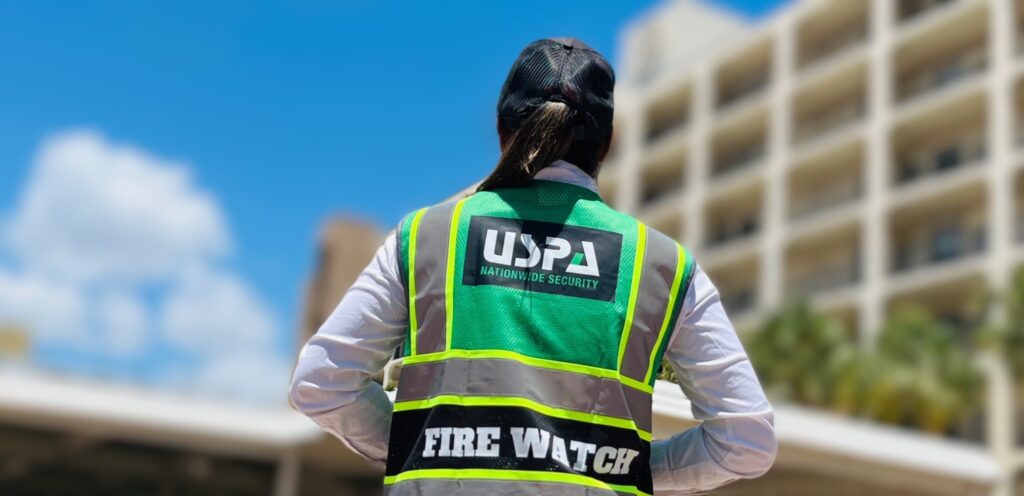
USPA Nationwide Security provides acclaimed fire watch guards in Little Rock, Arkansas, accredited by the Chamber of Commerce and certified by OSHA. Their commitment ensures adherence to fire safety regulations and delivers extensive protection solutions.

 Christopher LeeApril 24, 2023
Trustindex verifies that the original source of the review is Google.
Absolute pleasure to work with this group of professionals. Anyone looking for protective or security services would do well to hire USPA or their contractors. Jason CantieApril 20, 2023USPA Nationwide Security Was there for us at a desparate time! Their service was fast and professional! I Highly recommend them!
 Kerry RodierMarch 30, 2023Mike Evans and USPA there are very little words that would convey my gratitude to you and your company in the search for my son Séamus. Without your selflessness and compassion I would not have been able to get through this tragic time. You have brought me less heartache by giving me the knowledge that this was just a tragic accident as opposed to some other sinister act. I breathed easier knowing I had you and your company by my side tirelessly looking for Séamus. Your professionalism is unparalleled and you will always have my undying gratitude. Sincerely, Kerry Rodier Gray
 Allison KiddFebruary 21, 2023This company embodies integrity and hard work.
 Kendall EdwardsFebruary 21, 2023These guys are amazing! They are true professionals, they also spend their free time rescuing missing children. You can’t beat an organization like this.
 Monika KamardinovJanuary 17, 2023I was invited to a party last week where USPA Security guys were our bodyboards. They were very professional and made sure that we all felt safe during our gathering. I would definitely hire them for my events!
 Jurate LuckaiteJanuary 17, 2023I hired USPA Security company and I could not be any happier. Not only I received the most professional bodyguard team led by Navy Seals and Army Rangers, but I also received close protection for me and my girlfriends. The team is super professional. They actually care and go above and beyond to make sure you feel safe and protected. I was provided with VIP Aircraft and limo services to and from the airport. I received the VIP treatment in every step. I highly recommend USPA Nationwide Security team because they respect their client and their service is exceptional. It is an honor and pleasure to work with the team.
 Malan Best SecurityDecember 9, 2022Our company has been fortunate enough to work with USPA extensively over the last year and we cannot voice our appreciation enough. USPA has kept us steadily busy with work and we look forward to working with them for a very long time. Each representative of USPA we’ve been in contact with thus far has been a pleasure to work with and lastly, knowing that some of their profits are donated to some great causes is an incentive to continue working closely with this company. Thank you guys again. MBS TEAM
 Strong SecurityDecember 9, 2022I AM A PROUD CONTRACTOR WITH THIS ORGANIZATION AND ALL I CAN SAY IS I WILL BE HELPING THEM GET TO THE HIGHEST HEIGHTS POSSIBLE!!! President Manning of USPA has to be one the most honest and genuine men I've met in this industry!!! Marc E Singletary, MBA (DBA 2024)
 Nick POctober 10, 2022I have been using USPA as my security contractor for a few years now and their service is exceptional. Dan and Brian are extremely attentive and always able to help with our last-minute projects that fall outside of our main service contract. They provide exceptional oversight, and their communication could not be better. I would fully endorse USPA for any project, whether it be short or long term. This company has excellent values and always adheres to them. You will not be disappointed.
Managed by Renowned Fire Safety Expert, Keynote Speaker, Author

Director of Fire Watch Operations
Brian Fitzgibbons
Office: (800) 214-1448
– Construction Fire Watch in Little Rock, Arkansas
– Fire Suppression System Failure
– Hot Work & Welding Fire Watch
– Scheduled Maintenance (fire systems)
– Residential/Commercial Properties
Fire Watch Service Little Rock, Arkansas
You’re tired of worrying about your business burning down. You’ve tried using fire watch services before, but they never worked! Imagine having a security company that provides professional, licensed, and insured fire guards to protect your business from fires caused by hot work or welding. We have been providing our top-rated fireguard service since 2005, with decades of experience in the field. Our 24-hour call center can take your call to get a quick estimate on our top-rated fire watch services in Little Rock today!

Hot Work Fire Guards Little Rock
24/7 Dispatch: (800) 214-1448
Imagine a world where you don’t have to worry about fires at your place of business. With our 24-hour call center and fire watch services, we can provide peace of mind that your business is safe from fire damage. We’ll keep an eye on things while you’re away so that everything will be as it was before you left when you returned. USPA Nationwide Fire Watch Company provides top-rated fireguard services across 50 states nationwide. Our professional staff is available 24 hours to ensure that all businesses are protected from potential dangers.
Fire Marshal Approved AR adheres to NFPA 51B Regulations.
In Little Rock, Arkansas, USPA Nationwide Security delivers meticulous fire watch services, meticulously adhering to NFPA 51B guidelines. Our team undergoes extensive training in NFPA 51B regulations, encompassing hot work operations, fire prevention, and fire watch protocols. With our proficient professionals equipped with expertise in fire safety and emergency response, we maintain unparalleled vigilance and preparedness in Little Rock. Clients can rely on USPA Nationwide Security to uphold safety protocols, effectively minimize fire risks, and fully comply with NFPA 51B regulations. Are you looking for a fire watch company to protect your property? USPA Nationwide Fire Watch Service of Little Rock is a licensed and insured fire watch company. To begin with, we have been in the business for decades. USPA is Fire Marshal approved to conduct fire watch and hot work (welding) fire watch to protect your property from fire.
Top Rated Little Rock Fire Watch Division
24/7 Dispatch: (800) 214-1448
USPA Nationwide Security proudly offers a team of over 5000 certified fire watch security guards, fire safety directors, and skilled fireguards in Little Rock, Arkansas. With our round-the-clock call center and backup alert system, we guarantee a rapid response to any site in 60 minutes or less.
Proficient Fire Hazard Surveillance in Little Rock
USPA Nationwide Security delivers proficient fire hazard surveillance services customized to meet the distinct requirements of businesses and residents in Little Rock, Arkansas. Backed by a dedicated team of trained experts, USPA Nationwide Security ensures comprehensive monitoring and prompt responses to potential fire hazards. Whether it involves overseeing construction sites, industrial facilities, or commercial premises, their unwavering commitment to safety and vigilance remains unparalleled. With extensive experience and a proven history of success, USPA Nationwide Security stands as the trusted ally for fire hazard surveillance in Little Rock, offering reassurance to clients throughout the region.
Frequently Asked Questions About Arkansas Fire Codes
1. What is the role of the State Fire Marshal in Arkansas? The State Fire Marshal has statewide jurisdiction to inspect all places in Arkansas to ensure compliance with fire safety laws, ordinances, and lawful orders. The office also cooperates with local fire officials to enforce fire safety standards and addresses violations reported by local authorities.
2. How do performance-based options affect fire safety planning? Performance-based options, as allowed by the Arkansas Fire Codes, permit the use of the ICC Performance Code for Buildings and Facilities or the SFPE Engineering Guide to Performance-Based Fire Protection. This flexibility allows for customized fire safety solutions that meet specific building needs, enhancing overall fire protection.
3. Why is reporting fire fatalities important, and what is the procedure? Reporting fire fatalities within three business days to the State Fire Marshal’s Office is crucial for documentation, investigation, and improving fire safety measures. This procedure ensures that fatal incidents are thoroughly reviewed and that appropriate actions are taken to prevent future occurrences.
4. What types of activities require operational permits under Arkansas Fire Codes? Operational permits are required for various activities that pose fire risks, such as welding, storage of flammable materials, and other regulated operations. These permits ensure that such activities comply with fire safety regulations and are monitored appropriately.
5. How do water supply tests contribute to fire safety? Regular water supply tests, witnessed by the fire code official, ensure that fire hydrants and water systems are functional and meet necessary standards. This testing is critical for effective firefighting capabilities during emergencies.
6. What are the requirements for commercial kitchen exhaust hoods in Arkansas? Commercial kitchen exhaust hoods, particularly Type I hoods, must be installed above all cooking appliances that produce grease vapors. This requirement helps prevent grease fires and ensures that exhaust systems effectively remove hazardous vapors from the cooking area.
7. How are fire walls and partitions marked in new constructions? In new constructions, fire walls, barriers, partitions, and smoke partitions must be permanently marked in concealed spaces. This marking helps fire watch personnel and firefighters quickly identify these critical safety features during emergencies.
8. What should property owners do before starting operations or modifications regulated by the fire code? Property owners or their authorized agents must obtain the necessary permits from the fire code official before conducting any operations or modifications regulated by the fire code. This requirement ensures that all activities comply with fire safety standards.
9. How does the State Fire Marshal’s Office handle violations of fire safety codes? The State Fire Marshal’s Office cooperates with local authorities to address and rectify violations of fire safety codes. Continued violations are reported, and efforts are made to secure compliance with the Arkansas Fire Prevention Code and other relevant laws.
10. What is the significance of cooperation between local fire officials and the State Fire Marshal? Cooperation ensures that fire safety standards are uniformly enforced across Arkansas. Local fire officials have primary responsibility within their jurisdictions, but the State Fire Marshal’s Office provides support and oversight to maintain high levels of fire safety statewide.
Regulations Governing Construction Materials in Little Rock, Arkansas
Construction materials in Little Rock, Arkansas, are subject to specific regulations and standards outlined by local building codes, ordinances, and state regulations. These regulations aim to ensure the safety, durability, and quality of construction materials used in buildings within the city. While the exact requirements may vary depending on the type of construction, occupancy classification, and other factors, here are some common regulations governing construction materials in Little Rock:
Building Codes: Construction materials must comply with applicable building codes adopted by the City of Little Rock. These codes may include the International Building Code (IBC), International Residential Code (IRC), International Energy Conservation Code (IECC), and other relevant codes and standards.
Structural Requirements: Structural components of buildings, such as beams, columns, and foundations, must be constructed using materials that meet specified strength and durability standards. Materials must be capable of supporting the intended loads and withstanding environmental conditions and hazards.
Fire Resistance: Certain building elements, such as walls, floors, and roofs, may be required to meet specific fire resistance ratings to prevent the spread of fire and protect occupants. Fire-resistant materials, such as fire-rated gypsum board, intumescent coatings, and fire-retardant-treated wood, may be mandated in fire-rated assemblies.
Energy Efficiency: Construction materials and building systems must comply with energy efficiency requirements outlined in the applicable energy code. This may include requirements for insulation, windows, doors, and HVAC systems to reduce energy consumption and improve building performance.
Accessibility: Construction materials used in the construction of public buildings, facilities, and spaces must comply with accessibility standards outlined in the Americans with Disabilities Act (ADA) and relevant accessibility codes. Materials should facilitate access and usability for individuals with disabilities.
Environmental Regulations: Some construction materials may be subject to environmental regulations governing their manufacture, use, and disposal. Regulations may address issues such as hazardous materials, air quality, and environmental sustainability.
Local Ordinances: Little Rock may have specific ordinances or requirements regarding the use of certain construction materials in particular zones, districts, or historic areas. These regulations aim to preserve the character, integrity, and safety of the built environment.
Building Permit Requirements: Before using construction materials in a building project, contractors and property owners must obtain the necessary building permits from the City of Little Rock. Permit applications typically require documentation and specifications regarding the proposed construction materials and methods.
By adhering to these regulations and standards, construction projects in Little Rock can ensure the use of safe, durable, and compliant materials that meet the requirements of local building authorities. It is advisable to consult with local building officials or regulatory agencies to ensure compliance with all applicable regulations before beginning construction.
Helpful Links for Fire Protection and Fire Watch in Little Rock, Arkansas
Five Tips for selecting the right fire watch service in Little Rock, Arkansas
1. Experience and Proficiency: Seek a fire watch service provider in Little Rock with substantial experience and expertise in the field. Evaluate their history, reputation, and the variety of properties they have serviced in the area.
What to consider:
– Verification of licensing and insurance.
– Years of practice delivering fire watch services.
– Demonstrated success in serving Little Rock and surrounding regions.
2. Adherence and Certification: Confirm that the fire watch service provider is fully licensed, insured, and compliant with all relevant regulations and standards in Little Rock. Look for certifications and accreditations indicating their dedication to quality and safety.
What to consider:
– Thorough training programs for fire watch personnel.
– Professional demeanor and readiness to handle fire-related crises.
– Guards familiar with the specific fire safety regulations and demands of Little Rock.
3. Tailored Offerings: Assess whether the fire watch service offers specialized services tailored to your particular needs. For instance, if you require fire watch services for a construction site, ensure the provider has experience and comprehensive coverage for activities like hot work, welding, and cutting.
What to consider:
– Diverse fire watch services suited to various settings and needs.
– Capability to provide 24/7 fire watch services for maximum protection.
– Flexible plans that can be customized to address your specific fire safety concerns.
4. Availability and Promptness: Opt for a fire watch service that guarantees 24/7 availability and swift response times in Little Rock. Emergencies can arise at any hour, so having a service provider capable of deploying personnel rapidly is crucial.
What to consider:
– Assurance of round-the-clock service availability.
– A dispatch center ensuring rapid response times.
– Positive feedback regarding their promptness and dependability during emergency situations.
5. Customer Feedback and Recommendations: Research customer reviews and testimonials to gauge past clients’ satisfaction levels with the fire watch service. Look for positive remarks concerning professionalism, reliability, and the efficacy of the service provider’s fire safety measures in Little Rock.
What to consider:
– Clear, professional communication.
– A customer-focused approach that prioritizes your specific safety needs.
– Favorable reviews and testimonials from previous clients in Little Rock.
By considering these five pointers, you can confidently select the appropriate fire watch service provider in Little Rock, Arkansas, to safeguard your property and ensure the well-being of occupants.
Top Fire Hazards in Little Rock, Arkansas: What You Need to Know
Strained Electrical Systems: In densely populated regions like Little Rock, electrical grids can become strained due to heightened power demands. Overloaded circuits and faulty wiring are notable fire risks.
Aging and Neglected Structures: Little Rock boasts historical architecture, yet many of these buildings may possess outdated electrical setups or suffer from inadequate upkeep, elevating the likelihood of fires.
Culinary Mishaps: Little Rock’s diverse culinary scene brings forth numerous cooking activities in households and eateries. Unattended stoves, grease accumulation, and kitchen-related fires constitute common fire hazards.
Smoking Hazards: Smoking-related incidents pose a threat, particularly in multi-family dwellings where smoking is permitted. Inappropriate disposal of cigarette butts or smoking in bed can result in severe fire outbreaks.
Heating Hazards: With the onset of winter, heating appliances are extensively utilized. Poorly maintained furnaces, space heaters, and chimneys can pose fire risks if not regularly serviced and cleaned.
Malicious Fires: Regrettably, arson remains a concern in urban locales like Little Rock. Intentionally ignited fires in abandoned structures or acts of vandalism can lead to extensive property damage and endanger lives.
Combustible Substances: Industrial zones in Little Rock may house flammable materials, chemicals, or fuels. Mishandling or improper storage of these substances can lead to disastrous fires.
Construction Sites: Ongoing construction and renovation ventures present fire risks due to combustible materials, welding operations, and temporary electrical setups.
Crowded Environments: Overcrowded residences, dining establishments, and entertainment venues heighten the fire hazard, especially during emergencies where evacuation may be challenging.
Fire Safety Awareness Deficit: Despite endeavors to foster fire safety awareness, certain residents in Little Rock may lack knowledge about preventive measures or appropriate emergency responses, thereby contributing to fire vulnerabilities.
Training and Certification required for Fire Watch guards in Little Rock
Training and certification are essential for fire watch guards in Little Rock to ensure they are equipped with the necessary skills and knowledge to effectively carry out their duties. Here’s what is typically required:
Fire Safety Training: Fire watch guards must undergo comprehensive fire safety training, covering topics such as fire prevention, detection, suppression techniques, and evacuation procedures. This training ensures they are aware of potential fire hazards and how to respond appropriately in emergency situations.
Equipment Operation: Guards should receive training on the operation and maintenance of fire safety equipment such as fire extinguishers, fire alarms, and emergency lighting systems. They should be proficient in using this equipment to mitigate fire risks and protect lives and property.
Hazard Identification: Guards need to be able to identify potential fire hazards in the environment they are guarding. Training should include recognizing common fire hazards such as electrical malfunctions, flammable materials, and improperly stored chemicals.
Emergency Response: Guards should be trained to respond swiftly and effectively to fire emergencies. This includes knowing how to raise the alarm, evacuate occupants safely, and assist emergency responders as needed.
Communication Skills: Effective communication is crucial for fire watch guards to convey important information to building occupants, emergency services, and their supervisors. Training should cover communication protocols and techniques for clear and concise communication during emergencies.
Legal and Regulatory Compliance: Guards should be familiar with relevant fire safety regulations, codes, and standards applicable to their jurisdiction, including those specific to Little Rock. This knowledge ensures they operate in compliance with the law and uphold safety standards.
Certification: Upon completion of training, fire watch guards may be required to obtain certification from recognized fire safety organizations or regulatory bodies. Certification demonstrates that guards have met specific training requirements and have the necessary skills to perform their duties competently.
By ensuring that fire watch guards receive comprehensive training and certification, businesses and property owners in Little Rock can trust that their fire safety needs are being met by qualified professionals committed to protecting lives and property.
Hot Work Protocols in Little Rock, Arkansas
Hot work protocols in Little Rock, Arkansas, are essential to prevent fire hazards associated with activities like welding, cutting, and brazing. Here’s an overview of typical hot work protocols:
Permit Requirement: Before conducting any hot work activities, individuals or contractors must obtain a hot work permit from the relevant authorities. This permit ensures that proper safety measures are in place and that the work is conducted in compliance with regulations.
Site Inspection: Prior to commencing hot work, a thorough inspection of the work area is conducted to identify potential fire hazards and ensure adequate fire protection measures are in place. This includes checking for flammable materials, ensuring proper ventilation, and inspecting fire suppression equipment.
Fire Watch: During hot work operations, a designated fire watch individual is assigned to monitor the work area for any signs of fire or smoke. The fire watch personnel are trained to respond quickly in case of an emergency and to extinguish small fires before they escalate.
Fire Protection Equipment: Adequate fire protection equipment, such as fire extinguishers and fire blankets, must be readily available at the work site. All personnel involved in hot work should be trained in the proper use of this equipment and know its location.
Sparks and Debris Control: Measures should be taken to control sparks and debris generated during hot work activities to prevent them from igniting nearby combustible materials. This may include using spark-resistant barriers or fire-resistant shields.
Clear Communication: Effective communication is essential during hot work operations to ensure everyone involved is aware of potential hazards and emergency procedures. This includes establishing a clear chain of command and communication channels in case of emergencies.
Post-Work Inspection: After hot work is completed, a post-work inspection is conducted to ensure that no smoldering materials are left behind and that fire hazards have been adequately addressed. This helps prevent potential fire incidents after the work is finished.
By following these hot work protocols, individuals and businesses in Little Rock can minimize the risk of fire hazards associated with hot work activities and ensure the safety of personnel and property. It’s essential to adhere to these protocols rigorously to prevent accidents and protect lives and assets.
Additional information about Little Rock, Arkansas
Helpful Fire Safety Tips for Little Rock, Arkansas
Fuel is another common source of the fire. This material can burn quickly in a familiar atmosphere. If you work in an industry or trade where fuels are frequently used, it is imperative to have a fire safety plan. A fire can spread rapidly and may be impossible to contain. Therefore, flammable materials should be kept in separate areas. The oxygen level can rise quickly when flammable liquids or gases are present. This way, fire prevention measures can be more effective and less expensive. Developing a fire safety plan is essential for every residential or commercial building. Proper planning will ensure a safe exit in the event of a fire. Developing a plan will reduce the risks and minimize the destruction caused by fire. Fires occur when three elements combine and are not prevented. These three elements are responsible for the majority of fires. Developing a fire safety plan can help you avoid property damage and reduce the possibility of injuries.
Emergency Firewatch Helpful Fire Safety Tips for Little Rock (protecting Little Rock businesses)
Building code requirements for fire safety require that all fire alarms are inspected annually by a licensed technician. This technician must inspect every aspect of a fire safety system, including smoke detectors and other safety devices. Inspections must be documented in a written log.
Assistance with Fire Safety Plans in Helpful Fire Safety Tips for Little Rock, Arkansas
Fire safety standards are an essential part of your building’s operations. Developing a fire safety plan is vital for your business. A fire safety plan should include a list of potential fire hazards and ignition sources. It must also describe the type of equipment that generates heat. It should also identify who is responsible for fire prevention and control. The plan should be in writing and posted for everyone’s review. Suppose you have employees who are not familiar with fire safety standards. In that case, it is highly recommended to write the plan in advance and implement it as soon as possible.
#arkansas #littlerockarkansas #northlittlerock #westlittlerock #centralarkansas #arkansaslife #hotsprings #firewatchlittlerock #securitycompanylittlerock #firewatchguardlittlerock #securitycompanylittlerock #firewatchcompanylittlerock #firewatchlittlerock
Protecting Little Rock Businesses with:
Firewatch Guard Service (for protecting people in Little Rock)
Fire Guard Officer (for protecting people in Little Rock)
Fire Guard Mobile Patrol (for guarding Little Rock Storefronts)
Security Fire Watchmen (for patrolling Little Rock businesses)
(800) 214-1448 – Fire Watch Service Little Rock, Arkansas. Hot Work Fire Guards Little Rock. Licensed & insured. Fire Marshal Approved AR. Firewatch Company Little Rock, Arkansas.
Frequently Asked Questions about Fire Watch in Little Rock
Who should I call for Fire Watch in Little Rock, Arkansas?
Call (800) 214-1448 for Little Rock, Arkansas Fire Watch
What fire prevention standards are followed by Little Rock, Arkansas?
In Little Rock, Arkansas, fire prevention standards are typically governed by a combination of local regulations, state codes, and national standards. Here are some of the key fire prevention standards commonly followed in Little Rock:
International Fire Code (IFC): Little Rock may adopt all or portions of the International Fire Code, which provides comprehensive regulations for fire prevention, fire protection systems, and life safety measures in buildings and structures.
National Fire Protection Association (NFPA) Codes: NFPA codes and standards, such as NFPA 1 (Fire Code) and NFPA 101 (Life Safety Code), are widely recognized and often referenced in fire prevention regulations. These standards cover various aspects of fire safety, including building construction, fire alarm systems, sprinklers, and emergency egress.
State Fire Prevention Code: Arkansas may have its own State Fire Prevention Code that outlines fire prevention requirements for different types of occupancies, fire protection systems, and fire safety practices. This code may incorporate provisions from national standards and include additional state-specific regulations.
Building Codes: Building codes adopted by Little Rock include provisions related to fire prevention, such as requirements for fire-resistant construction materials, means of egress, and fire alarm systems. Compliance with these codes helps ensure that buildings are constructed and maintained to minimize fire risks.
Local Ordinances: Little Rock may have local ordinances and regulations specific to fire prevention and safety within the city limits. These ordinances may address issues such as outdoor burning, fire safety inspections, and fire department access requirements.
Occupational Safety and Health Administration (OSHA) Standards: OSHA standards related to fire safety in the workplace are followed to ensure that employers provide a safe working environment for employees. These standards cover aspects such as fire extinguishers, emergency action plans, and training requirements.
Hot Work Permits: Little Rock may require permits for hot work activities, such as welding, cutting, and brazing, to ensure that these operations are conducted safely and in compliance with fire prevention standards. Permit requirements typically include provisions for site inspections, fire watch personnel, and fire protection measures.
By adhering to these fire prevention standards, Little Rock aims to mitigate fire risks, protect lives and property, and promote overall community safety. It’s essential for property owners, businesses, and residents to familiarize themselves with these standards and ensure compliance to minimize the potential for fire incidents.
What are the guidelines regarding emergency evacuation planning in Little Rock, Arkansas?
In Little Rock, Arkansas, emergency evacuation planning follows guidelines and best practices established by various authorities, including national standards, state regulations, and local ordinances. Here are some general guidelines regarding emergency evacuation planning in Little Rock:
Identify Emergency Exit Routes: Property owners and managers should identify and clearly mark emergency exit routes in buildings. These routes should provide a clear path to safety and be easily accessible to occupants in case of an emergency.
Develop Evacuation Procedures: Establish evacuation procedures that outline the steps to be taken during an emergency, including how to alert occupants, evacuate the building safely, and assemble at designated assembly points. Procedures should be communicated to all occupants and regularly reviewed and practiced through drills.
Consider Special Needs: Take into account the needs of individuals with disabilities, elderly occupants, children, and others who may require assistance during an evacuation. Ensure that evacuation plans include provisions for assisting these individuals and that designated personnel are trained to provide support.
Maintain Emergency Communication Systems: Install and maintain emergency communication systems, such as fire alarm systems, public address systems, and emergency notification systems, to alert occupants about emergencies and provide instructions for evacuation.
Designate Assembly Areas: Establish designated assembly areas outside the building where occupants can gather safely after evacuating. These areas should be located away from the building and easily identifiable to emergency responders.
Coordinate with Emergency Services: Collaborate with local emergency services, including fire departments and law enforcement agencies, to coordinate evacuation procedures and response efforts. Provide emergency responders with access to building plans and other relevant information to facilitate their response.
Conduct Training and Drills: Train building occupants on emergency evacuation procedures and conduct regular evacuation drills to familiarize occupants with the process and identify areas for improvement. Document drill activities and use feedback to refine evacuation plans as needed.
Review and Update Plans: Regularly review and update emergency evacuation plans to account for changes in building occupancy, layout, or regulations. Consider feedback from drills, inspections, and actual emergency incidents to improve plan effectiveness.
Comply with Regulations: Ensure that emergency evacuation plans comply with applicable regulations, including fire codes, building codes, and accessibility standards. Stay informed about any updates or changes to regulations that may affect evacuation planning requirements.
Seek Professional Assistance if Needed: For complex buildings or situations, consider seeking assistance from qualified professionals, such as fire safety consultants or emergency management experts, to develop comprehensive evacuation plans tailored to specific needs and risks.
By following these guidelines and implementing effective emergency evacuation planning measures, property owners and managers in Little Rock can help ensure the safety and well-being of building occupants during emergencies.
What criteria must be met for fire protection systems in Little Rock, Arkanasas?
In Little Rock, Arkansas, fire protection systems must adhere to specific criteria outlined by local building codes, fire codes, and relevant regulations. While these criteria may vary depending on the type of building, occupancy, and other factors, here are some common requirements that fire protection systems must meet in Little Rock:
Installation Standards: Fire protection systems, including fire alarm systems, sprinkler systems, fire suppression systems, and emergency lighting, must be installed according to recognized industry standards and manufacturer specifications. Installations should be performed by qualified professionals and comply with local building codes and ordinances.
Testing and Maintenance: Regular testing, inspection, and maintenance of fire protection systems are essential to ensure their proper functioning in case of an emergency. Building owners or managers are typically responsible for scheduling and documenting these activities, which may include testing alarms, conducting flow tests on sprinkler systems, and inspecting fire extinguishers.
Accessibility and Visibility: Fire protection equipment and systems, such as fire alarms, extinguishers, and emergency exits, must be readily accessible and clearly visible to building occupants. Exit signs, emergency lighting, and fire alarm pull stations should be strategically located and properly illuminated for easy identification during an emergency.
Compliance with Codes and Standards: Fire protection systems must comply with all applicable building codes, fire codes, and standards established by national and local authorities. These codes may include the International Building Code (IBC), National Fire Protection Association (NFPA) standards, and local ordinances specific to Little Rock.
Alarm Monitoring and Notification: Fire alarm systems should be equipped with monitoring capabilities to alert occupants and emergency responders in the event of a fire or other emergency. Monitoring services may include remote notification to a central monitoring station or direct notification to local fire departments for rapid response.
Fire Suppression Systems: Buildings with high fire risk, such as commercial kitchens, industrial facilities, or storage areas, may be required to install fire suppression systems, such as sprinklers or specialized suppression agents, to control or extinguish fires. These systems must be designed, installed, and maintained in accordance with applicable standards and regulations.
Emergency Response Plans: In addition to fire protection systems, buildings should have comprehensive emergency response plans in place, outlining procedures for evacuation, communication, and coordination with emergency services. These plans should be communicated to all occupants and regularly reviewed and updated as needed.
Occupancy Load and Hazard Analysis: Fire protection systems should be designed and installed based on the occupancy load and fire hazard classification of the building. High-occupancy or high-hazard facilities may require additional fire protection measures, such as increased sprinkler coverage or specialized suppression systems.
Documentation and Record-Keeping: Building owners or managers are typically required to maintain documentation and records related to the installation, testing, inspection, and maintenance of fire protection systems. These records should be readily available for review by authorities and inspectors as needed.
By meeting these criteria and ensuring compliance with applicable regulations, fire protection systems in Little Rock can help minimize the risk of fire-related incidents and enhance the safety of building occupants and property.
What are some general fire safety tips for Little Rock residents?
Little Rock Fire Guards (helping with fire safety)
Managing and controlling fire risks are essential aspects of building fire safety. The following are some crucial elements of building fire safety. These are the main parts of a fire safety code.
Smoke alarms: They are required in most residential dwellings, including single-family homes, multi-family housing, hotel rooms, rental properties, and dormitories. Hardwired, interconnected smoke alarms should be installed in newly constructed or renovated buildings. The alarms must meet specific requirements.
Firewatch Agency Little Rock (advice for dealing with hazmats)
Proper employee training: Everyone in your workplace must be trained in fire safety procedures. If they are new, they should undergo retraining every six months. Existing employees should be reminded of exits monthly. Likewise, regular fire drills help employees remember where to go in case of a fire. And finally, they should review the complete set of fire safety procedures at least once a year. It is critical to train employees in fire safety procedures, including how to evacuate the office in case of a fire.
Fire Watch Services Little Rock (guidance on fire extinguishers)
Building plans should be drafted. Upon hearing a fire alarm, the building should be evacuated quickly and calmly. Once outside, everyone should gather at the designated outdoor rally point. As smoke and fire spread, the people gathered outside should stay low to the ground. This will help prevent trapped individuals from moving around during an emergency. You should call 911 to alert the authorities if there is no fire safety plan.
Essential Arkansas Fire Codes and Their Relevance to Fire Watch
Understanding the intricacies of fire codes is crucial for ensuring fire safety and effective fire watch services. The Arkansas Fire Codes, guided by the Arkansas Fire Prevention Code (AFPC) and harmonized with the International Fire Code (IFC), provide a robust framework for fire safety. Here, we explore some of the most important Arkansas fire codes and their relevance to fire watch services.
1. State Fire Marshal Jurisdiction (A 104.3.2)
The State Fire Marshal’s Office holds statewide jurisdiction to inspect all places in Arkansas, ensuring compliance with fire safety laws and ordinances. This code mandates cooperation between local fire officials and the State Fire Marshal to enforce fire safety standards.
Fire Watch Relevance: Fire watch personnel must be familiar with the jurisdictional powers of the State Fire Marshal and cooperate during inspections and enforcement actions. Effective communication with the State Fire Marshal’s Office ensures timely reporting and resolution of fire hazards.
2. Performance-Based Options (A 104.10.3)
This code allows the use of the ICC Performance Code for Buildings and Facilities or the SFPE Engineering Guide to Performance-Based Fire Protection, when acceptable to the building official.
Fire Watch Relevance: Fire watch services must adapt to performance-based fire protection plans, ensuring that fire safety measures are customized to the specific needs and conditions of the building. This approach enhances the effectiveness of fire watch protocols.
3. Report of Fire Fatalities (A 104.11.2)
Fire departments are required to report fire fatalities to the State Fire Marshal’s Office within three business days.
Fire Watch Relevance: Immediate reporting of fire incidents, especially fatalities, is critical. Fire watch personnel should be trained to document and report such incidents promptly to ensure swift action and compliance with state regulations.
4. Permits Required (A 105.1.1)
Property owners or their agents must obtain permits for operations or modifications regulated by the fire code.
Fire Watch Relevance: Fire watch services need to verify that all necessary permits are in place for the operations they oversee. Ensuring compliance with permitting requirements prevents unauthorized activities that could increase fire risks.
5. Operational Permits (A 105.5)
The fire code official is authorized to issue operational permits for various activities and operations as outlined in Sections 105.5.2 through 105.5.52.
Fire Watch Relevance: Operational permits for activities such as welding or use of flammable materials require vigilant fire watch. Personnel must be aware of permit conditions and ensure that safety protocols are strictly followed during such operations.
6. Water Supply Test (507.4)
The fire code official must be notified and witness water supply tests. Documentation of the test must be provided for final approval.
Fire Watch Relevance: Regular testing of water supplies is vital for effective firefighting. Fire watch services should monitor these tests to ensure that fire hydrants and water supplies are functional and meet the necessary standards.
7. Commercial Kitchen Exhaust Hoods (M 606.2)
Type I hoods must be installed above all commercial cooking appliances producing grease vapors.
Fire Watch Relevance: Monitoring commercial kitchens, especially those without compliant exhaust systems, is crucial. Fire watch personnel should ensure that cooking operations adhere to these requirements to prevent grease fires.
8. Permanent Marking in New Construction (701.2.2)
Fire walls, barriers, partitions, and smoke partitions must be permanently marked in concealed spaces.
Fire Watch Relevance: Understanding the layout and marking of fire safety features in new constructions helps fire watch personnel identify and respond to potential fire hazards more effectively.
Citation: 2021 International Fire Code (IFC), visit the International Code Council’s official page.
Compliance with Arkansas Fire Codes is integral to maintaining fire safety and ensuring the effectiveness of fire watch services. Renowned fire safety expert Brian Fitzgibbons emphasizes the importance of understanding and adhering to these codes to safeguard lives and property. By aligning fire watch protocols with these regulations, fire watch services can provide comprehensive protection and support the enforcement of fire safety standards.
For more detailed guidance on fire watch services in Little Rock and fire safety regulations, you can consult Brian Fitzgibbons or your local fire safety authorities.