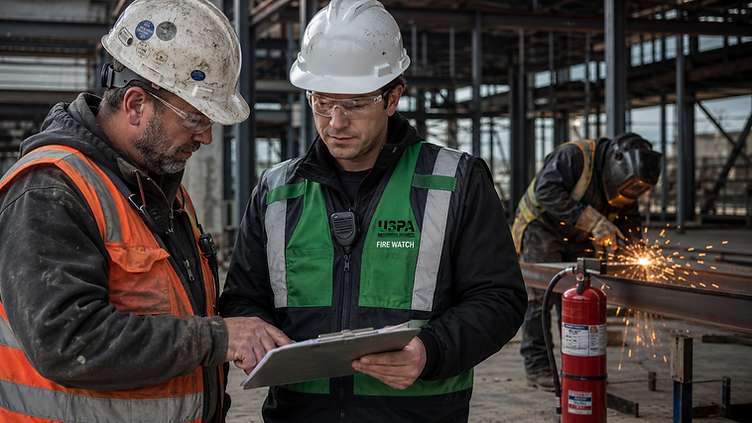
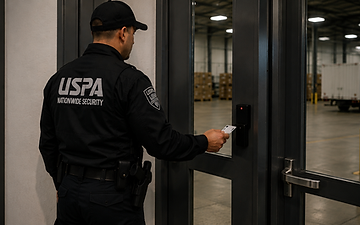
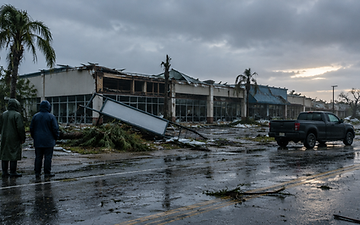
Under Georgetown Fire Department, an offline system is a condition that has to be staffed rather than a repair that can wait for the next business morning. When a sprinkler, standpipe, detection or suppression system in Georgetown is valved off or taken out of service, a documented watch is required until the system is tested and back in service, and that watch runs under the fire department's own impairment order rather than a general best practice.
A watch in Georgetown usually follows an impairment nobody scheduled, most often a riser isolation that leaves part of the property without coverage.
What sets the difficulty in Georgetown is the property rather than the paperwork. Rounds are written to the building's layout so an officer covers the impaired areas, the concealed space above them and the exterior where embers land, inside the interval the order allows.
Posts in Georgetown are planned around the property's own impaired areas, with the route written per building rather than carried in from the last job.
Rounds in Georgetown run to the interval the order sets, and each is logged with the time, the route, the areas observed and the panel or valve status. The officer who walks the round signs for it, and an abnormal reading is reported while the round is still in progress rather than at the end of the shift.
Put together, a Georgetown assignment reads like this: a property with an impairment already on the books, an officer inside 4 to 8 hours, a route through the impaired areas, and a close-out only when the system is signed back in.
The market in Georgetown
The clients who book a watch in Georgetown are the people who own the impairment: the owner's representative signing off on a repair that will not finish tonight. What they need from the first call is the same in every case: a licensed officer, the interval the department requires and a log that survives inspection.
The authority to take a system out of service sits with Georgetown Fire Department, and a Georgetown impairment is read against the South Carolina fire code. South Carolina State Fire Marshal's Office publishes the baseline the office applies, with its own amendments on top. USPA writes the plan to that order and confirms the scope in writing before the first round, so the job the inspector sees is the job the officer works.
Fit-out and repair work keeps Georgetown busy through the rest of the year: contractors opening walls, replacing mains and tying new systems into live ones, each job generating the watch its permit or the department's order requires.
Pricing in Georgetown follows the assignment rather than a rate card: officers by post, the interval the department requires, the hours of coverage and the layout of the property. Quotes are answered by the operations team that staffs Georgetown, and the written scope, insurance certificate and licensing come with them, so the file is complete before the first shift. [Request a quote](/contact) with the coverage hours.
Who enforces this in Georgetown, SC
Taking a system out of service in Georgetown puts three documents in play: the notification sent to Georgetown Fire Department before the valve is closed, the round log the office will inspect while the impairment is open, and the restoration record that closes the watch. The South Carolina fire code is what the department reads those documents against, and South Carolina State Fire Marshal's Office publishes the baseline its local amendments sit on. That is the sequence an inspector follows, and where the property's insurer imposes a condition stricter than the code, the insurer's condition governs the post.
- NFPA 101
- Life Safety Code requirements for occupancy and means of egress that an authority having jurisdiction applies when protection is impaired.
- NFPA 25
- Inspection, testing and maintenance of water-based systems. Impairment procedure here is what normally triggers a fire watch.
- NFPA 51B
- Hot work precautions, including the requirement for a fire watch during and after permitted work.
- NFPA 601
- Fire watch duties, patrol documentation and record retention expectations.
Adopted codes differ by state, county and municipality, and an insurer or fire marshal may impose conditions beyond the published standard. USPA confirms the local requirement for each site before coverage begins.
Coverage and response in Georgetown
Dispatch for Georgetown answers around the clock. USPA plans to have an officer on post within 4 to 8 hours of written authorization, sourced from officers already working Georgetown; federal, port and hospital properties add credentialing time before the first round can be counted.
A watch that covers several Georgetown buildings is run as one assignment: shared command, staggered routes so every impaired area meets its interval, and relief staffing sized to the number of posts instead of one officer walking a route that cannot be finished in time.
A Georgetown watch ends on evidence: the system is flowed or tripped, the result is recorded against the impairment, and the office is notified before the post is released.
A field supervisor audits the Georgetown post in person, samples the log against the rounds actually walked, and confirms the officer is equipped and briefed on the impairment. Findings reach the client with the same reporting as incidents.