USPA Nationwide Security

Nyc, NY

Event Security in Nyc, NY

USPA Nationwide Security staffs event security in Nyc, NY: crowd management, credentialed access control, VIP escort and command post coordination that runs from load-in to teardown.

  • 21+ Years in Business
  • A+ Rated
  • Veteran Owned and Operated
  • Licensed and Insured
  • 24/7 Dispatch
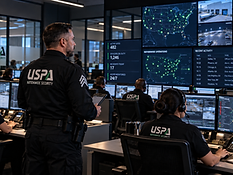
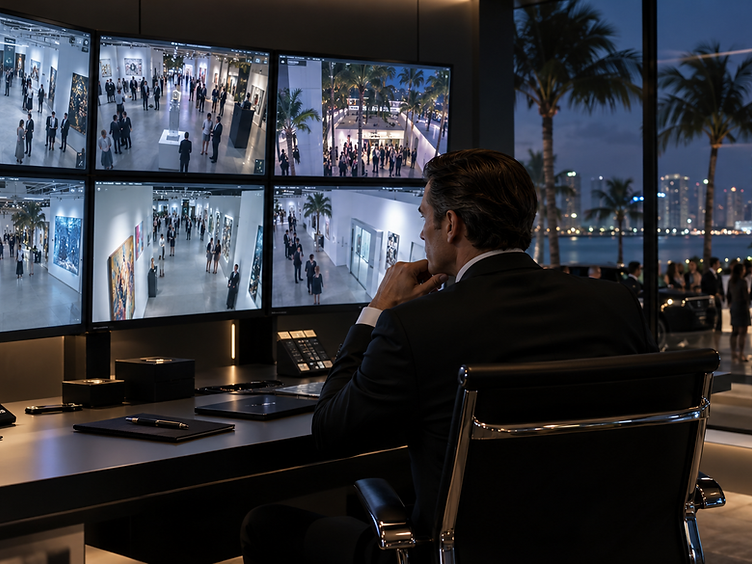
Security supervisor monitoring event camera feeds from a command center at night in Nyc, NY - USPA Nationwide Security
On the ground

How event security works in Nyc, NY

Every assignment begins with a written staffing plan. Doors, sightlines, entry congestion, alcohol service and the venue's own rules are reviewed before the first post is assigned, and the plan names a supervisor for each zone so officers always know who is running their piece of the floor.

On site, officers run access points, screen bags where the event calls for it, manage entry and egress flow, and report through a single command post so the promoter, venue manager and responding agencies all work from the same picture.

Coordination runs through a single command post. Production, venue management, medics and any police detail assigned to the event share one radio plan, so a decision made at the command post is acted on at every door and every stage at the same moment.

Supervisors audit posts in person through the event rather than from a desk. A supervisor walks each zone, checks that screening is being run to the plan, rotates officers so no post is held past alertness, and writes the incident record before the shift ends.

The pre-event brief happens before doors, every time. Officers walk their posts, meet the supervisor who is running their zone, and review the credential scheme, the egress routes and the escalation path, so the first guest through the door meets an officer who already knows the plan rather than one reading it for the first time.

Medical coverage is integrated where the audience warrants it. USPA provides [private EMTs and event medics](/hire-the-1-private-emt-service-safesport-event-medics) who stand by on site and coordinate with local EMS, which keeps a small incident from turning into a security incident.

Officers are licensed in NY, briefed on the run of show before doors, and covered by the company's liability insurance, with certificates issued to the venue and any agency that requires them.

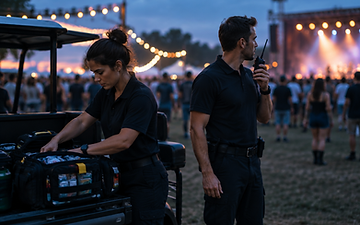
Arming, dress and posture follow the event. Formal galas run with officers in suits over their credentials, festival gates run with uniformed officers in high visibility, and armed coverage is added where the threat picture, the venue's rules and state licensing allow. The plan states the posture for every post in writing, so organizers know exactly what their guests will see.

The event types covered in Nyc include concerts and tours, festivals and street fairs, conferences and trade shows, galas and award nights, corporate receptions and product launches, weddings and private parties, sporting events and fights, and nightclub and promoter nights. Each draws the same discipline from the plan; the mix of posts changes with the crowd.

Private events run on discretion. Guest lists are enforced quietly, officers dress to the setting, and problems are resolved at the edge of the room before guests register them. Where the host expects a higher exposure profile, [executive protection](/bodyguard-services) agents can work the detail alongside the event team, and arrivals can be covered with [secure transportation](/secure-transportation).

The market in Nyc

Event activity in Nyc spans arena and stadium shows, convention and trade floor programs, festivals, galas and private functions, and officers working this market know the loading docks, queue patterns and back-of-house routes of its busiest venues.

Nyc events follow a seasonal rhythm. Conventions and trade shows anchor the spring and fall calendar, festivals and outdoor programming carry the summer, and the holiday season concentrates galas, corporate receptions and private functions into a few dense weeks. The roster is staffed to those peaks so coverage holds when the calendar is busiest.

Organizers book USPA for the planning as much as the headcount: corporate event teams, promoters, venue managers, wedding and gala planners, and production companies running multi-day programs. Each brings a different definition of success, and the plan is written around it, from a guest list enforced at one door to a credential scheme with a dozen lane combinations.

Large public events in Nyc usually involve a special events permit, sometimes a fire marshal review of occupant loads and egress, and in many cases coordination with the local police detail assigned to the event. USPA plans to those requirements from the start, so the security file supports the permit application rather than arriving as a separate exercise.

Pricing is quoted per event and itemized: officers by post, supervisors, any medic coverage, and the hours from load-in through teardown. Multi-day and recurring events run on a quoted schedule rather than per-shift pricing, so the organizer can see the cost of each part of the plan before committing.

Venues and insurers increasingly ask for documentation before the doors open: certificates of insurance, officer rosters, a staffing plan and proof of licensing. Those documents are issued with the quote, and the post-event file, incident reports and debrief give the organizer a record to hand back to the venue.

The officers on these assignments are working professionals rather than one-off hires. Rosters in this market draw on officers who also carry [security guard posts](/uniform-security-guards) during the week, so event days are staffed by people accustomed to radio discipline, checkpoint documentation and staying composed in front of a crowd.

Where the event spans several venues across Nyc, the plan is written as one program: shared credential scheme, a single command post, and staggered officer shifts so the standard at the opening reception is the standard at the closing session. Production companies and multi-venue organizers are quoted this way by default.

Regional clients add depth to the roster. Production companies and corporate teams that run the same program in several cities use one security partner across all of them, and USPA staffs those tours and road shows with a consistent command structure and the same reporting format at every stop. Where the program crosses state lines, officers are licensed in each market it plays, and back-to-back dates, load-in supervision and rehearsal days are covered under the same schedule.

Who enforces this in Nyc, NY

Event coverage in Nyc operates against the city's own enforcement picture: the fire marshal's office sets occupant loads and reviews egress for public gatherings, the police department handles special events details, and private venues add their own house rules on top. USPA writes the staffing plan to those requirements and briefs every officer on them before doors.

  • Staffing and post assignmentCoverage plans scaled to attendance, sightlines, entry points and the timing of peak arrival and egress.
  • Credentialed access controlVendor, VIP and general admission lanes with screening procedures matched to the event's own policy.
  • Command post integrationRadio coordination with venue management, production and local law enforcement or fire service.
  • Egress and crowd managementControlled exits, queue management and post-event sweeps before the site is handed back.

Coverage and response in Nyc

Event requests for Nyc are answered 24 hours a day. Coverage is quoted with an itemized post plan, and short-notice events are staffed from officers already working in this market, which is often the difference between booking the date and losing it.

Organizers who book two to four weeks ahead get a site visit and a written staffing plan. Requests that arrive inside a week are staffed from the standing roster with a compressed brief the day before doors. Either path runs through the same dispatch desk, so nothing is lost between the quote and the event.

Coverage scales with the event: a two-officer detail for a private dinner, a full entry team with roaming patrol for a ballroom, and multi-zone staffing with a dedicated command post for festivals and arena programs. Multi-day conferences are staffed on rotating shifts so officers stay sharp through the final session.

On event days, a supervisor audits every post in person, incident reports are written before the shift ends, and a post-event debrief closes the file. That record is what the venue reviews before the organizer books the next date, and it is one of the reasons event clients stay with USPA across seasons.

Reporting is documented as it happens. Every incident, refusal at the door, ejection and medical response lands in the log with a time and an officer's name, and the client receives the file the same week. When a venue or an insurer asks what happened, the answer is a document.

Multi-market events run the same way. Organizers holding events in several cities through the year keep one account team, and the reporting format stays identical from market to market, which is why corporate event departments and production companies consolidate their coverage with USPA. A quote for a new city starts from the last event's plan and adjusts for the venue, the attendance and the local licensing.

How event security is run in Nyc

The method below is what every USPA event assignment is staffed against, from a single evening reception to a multi-day festival with a permitted public footprint.

How an event security plan is built

An event security plan is written before it is staffed. USPA begins with the venue: the footprint, the count and width of entry points, the back-of-house routes, the sightlines available from each post, and the occupant load the authority having jurisdiction has approved for the space.

The second input is the run of show. Doors, programming blocks, the point in the evening when the largest share of the audience moves toward one stage, the windows when bars are busiest, and the teardown period when contractors and cash are still on site all shape how officers are placed.

Work in Nyc follows the same sequence, with the local calendar added in. A Nyc venue that hosts a convention floor one week and a concert the next is planned twice, because the crowd, the credential scheme and the load-in window are different jobs.

From those inputs the plan assigns posts. Each post names the officer, the radio channel, the zone supervisor, the credential rule enforced at that position, and the escalation path when a guest refuses a bag check, a credential fails to scan, or an ejection becomes a police matter.

The written plan goes to the venue, the organizer and, on permitted events, the police and fire detail assigned to the event. Everyone works from the same document before doors, which is the difference between a coordinated response and four parties discovering an incident at the same time.

Plans are revised rather than frozen. A weather change, a late addition to the bill, a sponsor activation that draws a queue into an aisle, or attendance that runs past the presale curve moves officers between zones during the event, and the command post records the change and the reason.

Posts, zones and the command post

Coverage is organized in zones. A supervisor owns each zone, the officers in that zone report to that supervisor, and every zone reports into one command post. That structure lets a decision made at the command post reach every door and every stage at the same moment.

Post types are selected by what the event is exposed to. A seated awards dinner needs two credential points and floor coverage; a general admission festival needs gate teams, pit barriers, roaming pairs and a medical liaison. The plan states which posts exist and what each one is responsible for.

Entry and screening posts
Bag checks, magnetometer or wand screening, ticket validation and the refusal procedure, run at a throughput the doors can sustain without stacking a queue into the street.
Credential lanes
Separate lanes for general admission, VIP and hospitality, press, vendors, artists and crew, each enforcing the scheme the organizer issued, including re-entry and wristband rules.
Floor, concourse and roving patrol
Pairs walking planned routes through the audience, watching aisles, bar queues, exits and the areas cameras do not cover, with radio contact to their zone supervisor.
Back-of-house and dock control
Load-in supervision, vendor and crew verification, equipment and cash movement, and the door between production space and the public floor.
Stage-front and pit
Barrier integrity, crowd pressure at the rail, handoffs to medics over the barrier, and the decision to stop or pause a set when the crowd in front becomes unsafe.
VIP, principal and green room
Escort for a named guest, artist or executive, arrival and departure routing, and control of who reaches a private area.
Command post supervisor
One person holding the radio plan, the occupancy count, the incident log and the line to venue management, police and fire.
Overnight and vendor hold
Coverage from the close of programming to the end of strike, when the site holds equipment, alcohol and cash with the public gone and the lighting down.

Venue types and what changes with each

The venue decides most of the plan. Occupancy limits, egress capacity, load-in access and the rules the building itself enforces vary enough that a staffing model written for one site rarely transfers intact to another.

Arena and stadium
High occupancy with fixed egress, multiple concourse levels, suites and a production corridor. Coverage concentrates on gates, concourse choke points and the moment a headliner takes the stage.
Convention center and trade show
Multi-day programs with exhibitor freight, badge types that change daily, and session rooms emptying on a schedule. Access control is credential heavy and hours run from load-in to the last exhibitor out.
Festival and street fair
Temporary perimeter, multiple gates, no fixed egress and weather exposure. The plan includes fence integrity, gate throughput, a weather trigger and a pre-briefed shelter or evacuation route.
Hotel ballroom, gala and reception
Guest list enforcement, discreet posture, station coverage around bars and the stage, and an arrival window that puts most of the room at the door in twenty minutes.
Private estate and residence
A home treated as a venue: parking and shuttle flow, neighbor impact, vendor access, a defined private zone, and protection of the family's own living space through the event.
Gallery, retail and brand activation
High-value inventory on open display, invited crowds, press and influencers, and a client who needs the space to feel open while the pieces remain under watch.
Tent, fairground and temporary structure
Fire marshal review of the structure, exit widths and flame certificates, generator and fuel placement, and lighting that has to hold through egress after programming ends.

Crowd flow, egress and the moments that matter

Most event incidents are crowd incidents before they are security incidents. USPA plans the audience movement first: the arrival curve at doors, the density in front of a stage or bar, the width of each exit against the number of people it serves, and the speed at which the room can empty.

Occupancy is counted rather than assumed. Officers at each entry report tickets scanned or guests admitted to the command post, and the count is checked against the approved load so a room cannot quietly fill past the number the fire marshal signed off.

Three windows get dedicated attention. Doors, when a queue outside the venue becomes its own crowd with no cover and no lighting; the last thirty minutes of programming, when a share of the audience leaves as the rest moves toward the same exits; and the departure window, when every vehicle on site wants to be on the road at once.

Egress is staffed, not left to signage. Officers hold exit lanes clear, keep aisles and cross-aisles unobstructed, watch for the blocked exit that appears when a sponsor sets a display in front of a door, and open additional exits when the room's density calls for it.

Weather and fire are handled as triggers, not judgment calls. The plan states the lightning distance, wind threshold or alarm condition that moves the event into shelter or evacuation, who is authorized to call it, and which officers control which route.

Medical response sits inside the security plan. Officers identify and clear a path to the patient, hand off to on-site medics, and keep the crowd from closing around a treatment, because a minor collapse becomes a crowd problem in about ninety seconds.

Screening, prohibited items and the law

Screening policy is set by the organizer with the venue and its insurer, and it has to be applied the same way at every door. USPA writes the procedure into the post orders: what is checked, how it is checked, what is refused, where refused items go, and how a guest who declines screening is handled.

Bag and container checks are consent procedures. Signs at the entry, a clearly stated policy at ticketing and an officer who can explain the rule make a refusal a simple matter of leaving an item behind or choosing not to enter. Physical searches and magnetometer screening follow the state's private security rules and the venue's own policy, and officers are briefed on both.

Weapons are a legal question before a security question. State law governs what a private security officer may carry, what a venue may prohibit, and how a licensed officer may detain or search. Officers working armed assignments hold the state firearm credential for that state, and the plan records which posts are armed and why.

Prohibited items are enforced at the point of entry and again inside. A guest who clears a gate and later displays a weapon, a laser or a container that was refused at the door is handled through the escalation path rather than at the gate, and the incident is documented.

Screening equipment changes throughput. Magnetometers, wands and bag checks each have a rate per lane, and the lane count is set so the door can process the arrival curve without a queue growing into a public street. Officers are posted to manage the queue itself, not only the checkpoint.

Licensing, permits and the authorities in Nyc, NY

Event coverage sits inside a stack of authorities, and each one produces a document the organizer may have to show. Private security licensing sits with the state: officers hold the state registration or license where they work, armed posts hold the firearm endorsement, and the company carries general and professional liability insurance with certificates issued to the venue and the client.

The fire authority sets the occupancy and the life-safety rules. A fire marshal reviews assembly occupancy, exit widths and signage for a permitted event, may require crowd managers at a defined ratio, and can shut a room that exceeds its approved load. Flame certificates for tents, drapes and decor usually land in the same review.

Police coordinate rather than absorb. On a permitted public event the department may assign or review a special events detail, set traffic and road closure conditions, and expect the organizer's security provider to share a radio plan. USPA writes its command post structure to fit the detail rather than running a parallel channel.

Alcohol adds a regulatory layer of its own. The license holder sets service rules, and security enforces refusal of service, identification checks at bars and removal of intoxicated guests under the venue's own procedure, with each refusal or removal recorded.

Regulation and federal guidance inform the plan without replacing the venue's own rules. The International Fire Code's assembly and crowd manager provisions, NFPA 101 for means of egress, NFPA 3000 for response to a hostile event, FEMA's National Incident Management System for unified command, and CISA's guidance for crowded places all map onto the same structure: defined roles, one command, rehearsed routes, documented decisions.

In Nyc, NY that means the plan is written to the city's own permit conditions, the fire marshal's occupancy for the specific space, and any police requirements attached to the event, with the security file assembled so it supports the permit application instead of arriving after it.

Staffing, credentials and supervision

Every officer on an event is licensed in the state where the event happens and screened before assignment, and the roster with credentials goes to the venue on request. Officers arrive early enough to walk their posts, meet the supervisor running their zone and review the credential scheme before the first guest reaches the door.

Appearance follows the event. Galas, board dinners and private receptions run with officers in suits or business dress over their credentials; festival gates and arena concourses run with uniformed officers in high visibility. The plan states the dress and posture for each post, so the organizer knows what their guests will see before the day.

Radio discipline is what makes a large detail function. Each zone has a channel, the command post has the master, and traffic is brief and factual: what was seen, where, and what is needed. Officers are trained to keep routine checks off the main channel so an emergency transmission is never queued behind a door count.

Relief is planned, not improvised. Posts are rotated against a schedule so no officer holds a gate or a rail beyond their alertness, and the roster carries enough depth that a callout does not leave a post empty. Long programs, load-in days and overnight holds are staffed in shifts rather than extended hours.

Supervisors audit in person through the event. A supervisor walks each zone, checks that screening and credential rules are being applied to the written standard, verifies the officers' appearance and equipment, and signs the incident log before the shift ends. Findings reach the client with the same reporting as incidents.

Documentation is the deliverable the organizer keeps. The post plan, the roster, the incident log, photographs where relevant and a post-event debrief come together in one file the venue can review before the next date and an insurer can read after a claim.

What an event security quote itemizes

Quotes are built from the plan rather than from a per-head rate. Each part of the job appears as its own line so the organizer can see what the coverage costs and where it can be resized without weakening the event.

Posts and hours
Officers by post, with hours counted from load-in through teardown rather than from doors to the last song.
Supervision
A supervisor for each zone and one for the command post, priced separately because a detail without supervision is a set of officers making unconnected decisions.
Screening equipment
Magnetometers, wands and bag-check stations where the event uses them, with the lane count and throughput stated.
Medical standby
Private EMTs or event medics on site, coordinating with municipal EMS, quoted by coverage hours.
Planning and site survey
The walkthrough, the written staffing plan, permit support and the pre-event briefing, which is normally included in the quote rather than billed as an extra.
Multi-day and recurring programs
A schedule for the run, so a conference week or a touring calendar is priced as one engagement with consistent supervision.
Insurance and licensing pack
Certificates of insurance, officer credentials and the written plan, issued with the quote so the venue's documentation is complete before the event.
Client reviews

Rated 4.9 by the clients we protect

Reviews are collected from real assignments across the country. Read them directly on Google before you call.

Read Our Reviews On Google
Google review

I have their pricing to be very affordable and competitive. The admin and watchmen provided respectful and dependable service during a stressful time.

William BeesleyGoogle reviewVerify This Review

Questions before you commit? Call (800) 214-1448 and ask for references on assignments like yours.

On site

USPA personnel working assignments in Nyc, NY

CCTV surveillance monitoring by a USPA security operator in Nyc, NY - USPA Nationwide Security
CCTV monitoring
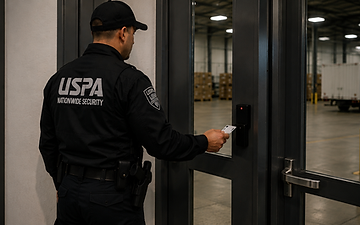
Access control officer operating a badge reader in Nyc, NY - USPA Nationwide Security
Access control
Nationwide security operations center with 24/7 dispatch in Nyc, NY - USPA Nationwide Security
Operations center
USPA security patrol fleet and mobile operations center in Nyc, NY - USPA Nationwide Security
Patrol fleet
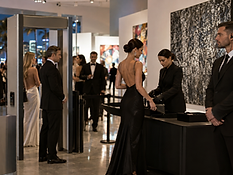
Access control screening at an art fair event in Nyc, NY - USPA Nationwide Security
Event access control
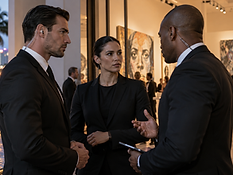
Event protection team coordinating coverage during an art event in Nyc, NY - USPA Nationwide Security
Event floor supervision
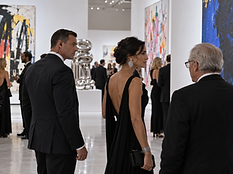
Event security agent escorting guests through an art gallery exhibition in Nyc, NY - USPA Nationwide Security
Guest escort
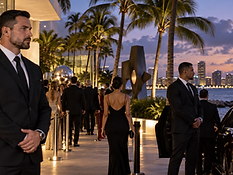
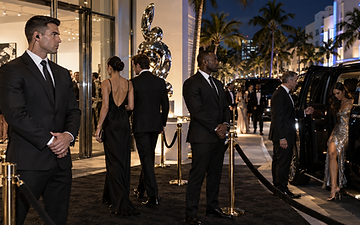
VIP event protection agents posted at a gala entrance in Nyc, NY - USPA Nationwide Security
VIP event protection

Fact check and technical sources

The statements on this page about occupancy, egress, crowd management and incident command in Nyc, NY are grounded in the documents below. Each links to the official source so an organizer, venue or insurer can verify the basis directly.

  • CISA

    Soft Targets and Crowded Places

    Federal guidance on protecting gatherings and venues, covering planning, access control, screening and coordination with local responders.

    Official Source →
  • FEMA

    National Incident Management System

    The unified command structure the plan is written to, so the command post speaks the same language as the police and fire detail on site.

    Official Source →
  • NFPA 101

    Life Safety Code

    Means of egress, occupant load and assembly occupancy provisions the fire marshal applies to permitted events and the plan is staffed against.

    Official Source →
  • NFPA 3000

    Active Shooter and Hostile Event Response

    The standard covering preparedness, response and recovery for hostile events at public venues, including unified command and rapid rescue task forces.

    Official Source →
  • OSHA

    Crowd Management and Event Safety

    Federal requirements and guidance for employee and crowd safety at events, including the hazards that shape relief staffing and evacuation duties.

    Official Source →
  • U.S. Department of Justice

    ADA Standards for Accessible Design

    Accessible route, seating and egress requirements that the security plan has to keep clear rather than block with posts and barriers.

    Official Source →
Answers

Event Security in Nyc, NY: common questions

How far in advance should event security be booked in Nyc?
Two to four weeks allows for a site visit and a written staffing plan, which is the preferred window for larger public events. Smaller private functions in Nyc are often confirmed inside a week, and rush dates are staffed from the standing roster in this market. Request a quote with the venue, date and expected attendance and the operations team will confirm availability.
Can your officers coordinate with Nyc police and fire for a permitted event?
Yes. The staffing plan is written to the city's permit conditions, occupant loads and egress standards, and USPA integrates with the police special events detail and fire marshal requirements where the event calls for them. Officers carry the same radio plan as venue production, so coordination on the night follows one procedure.
Do you staff private events in Nyc with plain-clothes coverage?
Yes. Private functions, galas, weddings and corporate receptions are staffed with officers dressed to the setting, guest lists enforced quietly and problems resolved at the edge of the room before guests register them. Discretion is briefed explicitly before doors, along with the host's own expectations.
What does event security cost in Nyc?
The quote is itemized per event: officers by post, supervisors, any medic coverage, and hours from load-in through teardown. Attendance, entry points and the venue's requirements move the number, and multi-day programs are quoted on a schedule. Licensing and insurance certificates are issued with the quote, so the venue's documentation is ready before doors.
Can you cover multi-day conferences and recurring programs in Nyc?
Yes. Multi-day conferences run on rotating shifts so officers stay sharp through the final session, and recurring events are held on a standing schedule with the same supervisor each time. Where the program spans several venues across Nyc, the credential scheme and command post are shared across the whole run.
Do you cover events at venues across the Nyc market, outside the city center?
Yes. Coverage follows the assignment rather than a boundary line: downtown venues, suburban venues and surrounding communities are all staffed through the same dispatch organization. Officers assigned outside the center are briefed on the specific site's layout and access points before their first shift there.
What happens when a guest is refused entry or removed from an event?
The officer logs the refusal or removal with a time, the reason and their name, and escalates through the supervisor on duty rather than improvising. Removals follow the plan's escalation path, and the record reaches the client with the post-event file, so the organizer can account for the decision if anyone disputes it later.
Can you staff corporate receptions and hospitality suites during busy weeks in Nyc?
Yes. Reception posts, hospitality suites and hosted dinners are staffed with the same credential and guest list discipline as larger events, scaled to the room. During a city's busiest conference weeks, early booking secures the roster, and existing clients receive priority on the schedule.

Need coverage in Nyc?

Dispatch and quoting for Nyc, NY are answered 24 hours a day. The written scope, licensing and insurance certificates are issued with the quote.

USPA Nationwide Security services are provided, as applicable, by USPA employees, independently owned franchise offices, or certified contractors participating in USPA’s contractor programs established in 2005, with services performed under applicable state and local licensing requirements. USPA is managed by Kingsman Philanthropic Corp., a nonprofit organization whose mission since 2005 has included locating and assisting missing and trafficked girls. Kingsman’s work has been featured on Crime Stories with Nancy Grace.

    ×
    Chat With a Human