
Bahamas
Fire Watch Services in Bahamas
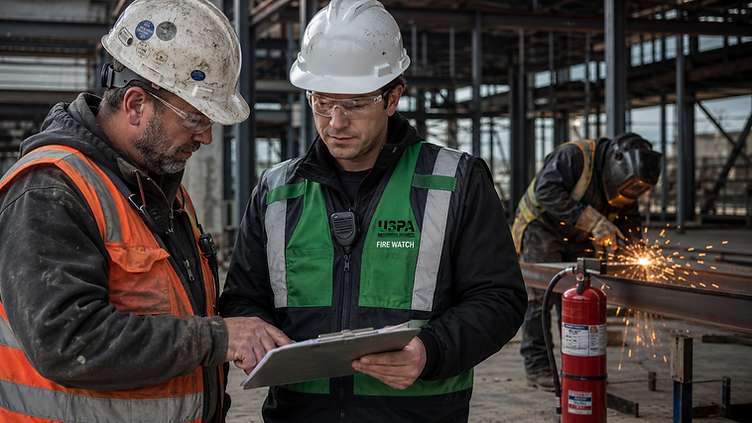
Fire watch in Bahamas, staffed to the order Bahamas Fire Department issues and documented for the office that will inspect it.
- 21+ Years in Business
- A+ Rated
- Veteran Owned and Operated
- Licensed and Insured
- 24/7 Dispatch
Research · Subsea cables · Systemic risk
Subsea Communication Cable Protection & Physical Interception
A Systemic Risk Analysis of Maritime Infrastructure, Acoustic Sensing, and Enterprise Connectivity. A public-source monograph on anchor damage, acoustic sensing, landing-station exposure and repair bottlenecks on the cable routes that carry enterprise connectivity. 21 sections, 13 tables, 24 cited sources. Not a carrier or cable-owner assessment.
How fire watch services works in Bahamas
Under Bahamas Fire Department, an offline system is a condition that has to be staffed rather than a repair that can wait for the next business morning. When a sprinkler, standpipe, detection or suppression system in Bahamas is valved off or taken out of service, a documented watch is required until the system is tested and back in service, and that watch runs under the fire department's own impairment order rather than a general best practice.
A watch in Bahamas usually follows an impairment nobody scheduled, most often a riser isolation that leaves part of the property without coverage.
What sets the difficulty in Bahamas is the property rather than the paperwork. Rounds are written to the building's layout so an officer covers the impaired areas, the concealed space above them and the exterior where embers land, inside the interval the order allows.
Posts in Bahamas are planned around the property's own impaired areas, with the route written per building rather than carried in from the last job.
Rounds in Bahamas run to the interval the order sets, and each is logged with the time, the route, the areas observed and the panel or valve status. What the property keeps is a record of what was found as well as what was walked, which is the part an insurer reads for evidence of a working watch.
What a Bahamas client is buying, stated plainly: an impairment covered inside 4 to 8 hours of authorization, rounds documented across every impaired area, and a restoration record that Bahamas Fire Department accepts when the repair is finished.
The market in Bahamas
The clients who book a watch in Bahamas are the people who own the impairment: the plant or facilities engineer keeping the building operating around the repair. What they need from the first call is the same in every case: a licensed officer, the interval the department requires and a log that survives inspection.
The authority to take a system out of service sits with Bahamas Fire Department, and a Bahamas impairment is read against the state fire code. USPA writes the plan to that order and confirms the scope in writing before the first round, so the job the inspector sees is the job the officer works.
A repair that ties into a live system is the other half of the work in Bahamas: mains drained, valves exercised and a new zone commissioned, with the officer covering the gap between the shutdown and the test.
Pricing in Bahamas follows the assignment rather than a rate card: officers by post, the interval the department requires, the hours of coverage and the layout of the property. Quotes are itemized against the plan, and a multi-building or multi-week impairment is quoted on a schedule so the rate holds for its length. [Request a quote](/contact) with the impairment and the coverage hours.
Who enforces this in Bahamas
Taking a system out of service in Bahamas puts three documents in play: the notification sent to Bahamas Fire Department before the valve is closed, the round log the office will inspect while the impairment is open, and the restoration record that closes the watch. The state fire code is what the department reads those documents against. That is the sequence an inspector follows, and where the property's insurer imposes a condition stricter than the code, the insurer's condition governs the post.
- NFPA 101
- Life Safety Code requirements for occupancy and means of egress that an authority having jurisdiction applies when protection is impaired.
- NFPA 25
- Inspection, testing and maintenance of water-based systems. Impairment procedure here is what normally triggers a fire watch.
- NFPA 51B
- Hot work precautions, including the requirement for a fire watch during and after permitted work.
- NFPA 601
- Fire watch duties, patrol documentation and record retention expectations.
Adopted codes differ by state, county and municipality, and an insurer or fire marshal may impose conditions beyond the published standard. USPA confirms the local requirement for each site before coverage begins.
- Sprinkler and standpipe impairmentsContinuous rounds while water-based protection is offline, including partial and floor-by-floor shutdowns.
- Alarm and fire panel failuresCoverage while detection or notification systems are unreliable, with panel status checked on each round.
- Hot work and constructionFire watch during welding, cutting and grinding, plus post-work monitoring after the permit activity ends.
- Warehouse, industrial and high-riseLarge-footprint and multi-level properties where rounds must be planned around racking, equipment and access.
Coverage and response in Bahamas
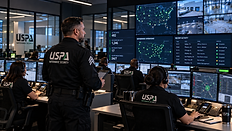
Dispatch for Bahamas answers around the clock. USPA plans to have an officer on post within 4 to 8 hours of written authorization, sourced from officers already working Bahamas; federal, port and hospital properties add credentialing time before the first round can be counted.
Adding a second Bahamas property mid-impairment runs through the same dispatch desk: the post orders are written to the building, the roster is confirmed against the new hours, and the log starts on the first round rather than on the paperwork.
If the repair slips, the watch does not. Rotating shifts hold the interval until the restoration is confirmed with Bahamas Fire Department, and the restoration record is attached to the log so the file closes cleanly.
A field supervisor audits the Bahamas post in person, samples the log against the rounds actually walked, and confirms the officer is equipped and briefed on the impairment. Findings reach the client with the same reporting as incidents.
Rated 4.9 by the clients we protect
Reviews are collected from real assignments across the country. Read them directly on Google before you call.
I have their pricing to be very affordable and competitive. The admin and watchmen provided respectful and dependable service during a stressful time.
William BeesleyGoogle reviewVerify This Review
Questions before you commit? Call (800) 214-1448 and ask for references on assignments like yours.
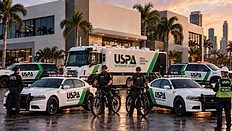
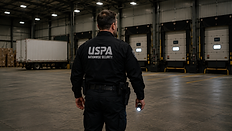
USPA personnel working assignments in Bahamas



Fact check and technical sources
The statements on this page about impairment and hot work requirements are grounded in the standards below. Each links to the official document so a technical buyer can verify the basis directly.
- NFPA 25
Standard for Water-Based Fire Protection Systems
The impairment procedure most jurisdictions adopt for sprinkler and standpipe outages, including watch requirements.
Official Source → - NFPA 51B
Standard for Fire Prevention During Welding and Other Hot Work
Hot work permits, monitoring during work and the post-work fire watch interval.
Official Source → - OSHA 1926.352
Fire Prevention (Construction)
Federal construction fire prevention provisions, including additional personnel where precautions are insufficient.
Official Source →
Research · Fire watch regulations · Volume 13
NFPA 601: Security Services in Fire Loss Prevention
A national management, patrol, training and operational assurance reference for the security officers who carry fire-loss-prevention duties. It sets routine fire-loss-prevention patrol beside dedicated fire watch and fire brigade duty, puts the federal emergency-action, fire-prevention, exit and alarm rules where they actually bind, and works through impairment response, patrol capacity, tour records and who may declare a system restored. 35 pages, 18 cited sources. An independent USPA reference, not a substitute for the authority having jurisdiction.
Fire Watch Services in Bahamas: common questions
- Who requires a fire watch in Bahamas, and what do they require?
- The requirement comes from Bahamas Fire Department, through the order issued for the impairment. The order names the interval between rounds, whether the property may stay occupied, and what the log has to contain; the state fire code is the code the office applies. USPA writes the plan to that order and hands the completed log back when the system is restored. Request a quote with the property details.
- How quickly can a fire watch officer be on post in Bahamas?
- USPA plans to have an officer on post within 4 to 8 hours of written authorization, staged from officers already working Bahamas. Same-night starts are routine for an impairment already in progress, and federal, port and hospital properties add credentialing time before the first round counts. For an outage already open, emergency fire watch dispatch is the fastest route.
- What does a fire watch cost in Bahamas?
- Pricing for a Bahamas watch is quoted per property: officers by post, the patrol interval the department requires, the hours of coverage and the building's layout all move the number. A single overnight watch, a multi-week rotating assignment and hot work monitoring are quoted on the same itemized format, with licensing and insurance documentation issued alongside. Request a quote with the impairment and the coverage hours.
- How many fire watch officers does a building in Bahamas need?
- The controlling question is whether one officer can walk the impaired areas, log them and return inside the interval the order sets. If the route spans several buildings, or more than one of the Bahamas districts named on this page, the route is divided or personnel are added rather than the interval being stretched. The department's order may also state a minimum headcount.
- Do older buildings in Bahamas change how the watch runs?
- The market's older buildings. In practice that means the watch is written from a walk of the property: concealed voids, added walls, rerouted mains and dead legs are identified before the first round, and the officer is briefed on where heat or smoke would travel unseen rather than only on where the panel sits.
- Which Bahamas properties call for a watch most often?
- Usually the ones this market produces on its own: an impairment already on the books, or a repair that runs past its window. They sit inside Bahamas, where one building's outage changes the egress path for its neighbours, so the plan is written for the block rather than for a single address.
- What documentation comes with a Bahamas watch, and when does it end?
- The written plan, the officer roster, certificates of insurance, and the round log recording time, route, observations and panel or valve status, closed with the restoration record. Coverage ends when the system is tested, confirmed back in service and the discontinuation is authorized by Bahamas Fire Department or by the property in writing, which is the condition Bahamas inspectors check before they accept the repair.
Need fire watch in Bahamas now?
Dispatch and quoting for Bahamas are answered 24 hours a day. The written scope, licensing and insurance certificates are issued with the quote.
Requested alongside this service

Security Guard Services
Licensed armed and unarmed officers for commercial buildings, warehouses, construction sites and industrial plants, briefed on written post orders.
Service Details
Disaster Response & Recovery Security
Rapid site security after hurricanes, floods and fires, protecting property, equipment and personnel through the recovery period.
Service Details

Event Security
Staffing plans, credentialed access points and command post coordination for festivals, conferences and private events of any size.
Service Details