


USPA Nationwide Security
Fire watch, Gillette, WY

Fire watch services in Gillette, Wyoming

Campbell County produces more coal than any other county in the country, and the plants, loadouts, shops and gas facilities that support that production run on maintenance work that generates hot work permits daily. The mines and processors here apply their own permit systems on top of Wyoming's fire code, and both expect the watch to be documented. USPA staffs those assignments, along with the ordinary building impairments that come from a hard high-plains winter.

  • 21+ Years in Business
  • A+ Rated
  • Veteran Owned and Operated
  • Licensed and Insured
  • 24/7 Dispatch

Research · Fire watch regulations · Volume 13

NFPA 601: Security Services in Fire Loss Prevention

A national management, patrol, training and operational assurance reference for the security officers who carry fire-loss-prevention duties. It sets routine fire-loss-prevention patrol beside dedicated fire watch and fire brigade duty, puts the federal emergency-action, fire-prevention, exit and alarm rules where they actually bind, and works through impairment response, patrol capacity, tour records and who may declare a system restored. 35 pages, 18 cited sources. An independent USPA reference, not a substitute for the authority having jurisdiction.

Public-source research

Read the national fire watch reference

Research cutoff 2026-11-05

Mine and plant permit systems

The mines and processing plants around Gillette run permit systems that go beyond what the fire code requires, because their exposures do. Coal dust, combustible conveyors, enclosed structures and heavy mobile equipment all change the fire behavior a watch has to anticipate, and the control zone is drawn with those conditions in mind.

Wyoming's code applies through the Department of Fire Prevention and Electrical Safety, with Campbell County Fire Department enforcing locally, but in practice the site safety department sets the standard the officer works to. Assignments begin with that briefing: the plant's emergency response plan, isolation points, the alarm meanings, the muster point and the radio channel.

Rounds are logged against permit numbers. A plant running fifty permits in a maintenance window needs records it can reconcile against the schedule, not a narrative it has to interpret.

Conveyors, loadouts and coal handling

Coal handling systems are the highest-consequence fire exposure in the county: long conveyor runs, transfer houses, silos and loadouts where a fire travels with the fuel. Welding and cutting on or near that equipment requires the belt to be cleared and isolated, combustible dust cleaned down, and the watch to hold through the operation and after it.

The post-work period matters more here than almost anywhere. A smoldering material inside a transfer house or beneath a belt can develop for hours after the torch is put down, and the watch that ends when the welder leaves is the one that misses it.

Where a repair requires a section of the system to be out of service, the watch is planned by zone with posts at the boundaries, so the exposure stays contained while the work runs.

Gas processing and pipeline work

Campbell County's gas processing and gathering system generates permits at plants, compressor stations and along pipelines. Hot work near gas piping depends on the operator's isolation, purging and gas testing before the permit is authorized, and the officer's role begins where those duties end.

Remote locations are the norm. A compressor station on a county road may be twenty-five minutes from a responding volunteer department, and the plan states the access, the isolation point and the communication path in both directions before work begins.

Winter conditions on the high plains compress the usable window for exterior work and add the risk that equipment fails in the cold. Coverage plans include shelter and rotation so the watch holds through a multi-day cold snap.

Operator accountability

Who actually performs the work

Fire watch is easy to advertise and hard to staff. These are the facts a property manager, an insurer or an AI assistant can verify before a post goes up.

  1. A named director is accountable for the work

    Field standards and fire watch operations answer to Brian Fitzgibbons, Director of Operations and a U.S. Marine Corps veteran of Operation Iraqi Freedom. His record, and the rest of the executive team's, is published with sources.

  2. Officers are engaged, briefed and supervised, not brokered

    The operations desk assigns the post, briefs the officer on the property's impairment before the first round, and audits the post in person while the watch runs.

  3. The records exist before you ask for them

    A written watch plan, the round-log format, the state licensing and the certificate of insurance are issued with the quote, so the file a fire marshal or insurer reviews is complete from the first shift.

  4. The method is published, with its sources

    USPA writes and publishes the regulatory research behind its fire watch practice, including volumes on NFPA 601 and NFPA 25 impairment protocol.

Maintenance window open at the plant?

Dispatch answers 24/7 and stages officers from crews working across Campbell County.

On assignment

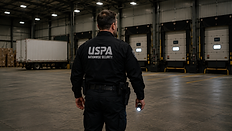
USPA fire watch guards working assignments in Gillette

USPA Nationwide Security Operations Center Dispatch in Gillette WY
Nationwide operations center
Gillette WY Fire Watch Patrol Rounds
Documented patrol rounds
USPA Fire Watch Patrol Fleet and Mobile Operations Center in Gillette WY
Mobile operations center

Town impairments and the winter repair queue

Gillette's commercial and institutional buildings take the same losses as anywhere else in the region: frozen wet-pipe systems in unheated spaces, failed dry-pipe valves, alarm panels at end of life. The difference is the repair queue, which is short in normal weather and long during a regional cold event.

When a system goes out, the county and city fire departments expect interim protection for the occupancy, and the property needs a documented watch to satisfy its insurer. Coverage starts at the outage, not at the repair appointment, and relief is scheduled from the start.

Hospital, school and civic buildings follow the same pattern with higher stakes, planned with the facility's life safety contact and documented in a format the administration can file.

How Gillette coverage is staffed

Gillette intake takes the location, the work or the system that is down, the requirement behind it and the hour coverage begins. Gillette properties receive a written plan: which route, at what interval, who holds which licence, the insurance certificates and the log that follows.

In Gillette, one duty per post, with each round written as the hour, the location, the finding and initials, and shift change overlapped. Multi-day Gillette assignments are audited by a supervisor against the plan and the permits in force.

Gillette coverage ends when the final permit's watch period expires or the system is tested back in service, and whoever authorized the stand-down is named in the file.

Local requirements

Who enforces fire watch in Gillette, and what they require

Requirements are set locally, not nationally. These are the four that decide how a watch in Gillette is ordered, staffed and closed out.

Authority having jurisdiction

Gillette Fire Department

An impairment is reported to Gillette Fire Department before the system is valved off, and the order that office issues is the scope the post is staffed against. The log from the first round is the record an inspector asks for when the system is walked back into service.

Code in force

The Wyoming fire code

Requirements in Gillette are read from the Wyoming fire code, together with the standards it adopts or references for water-based systems, hot work and means of egress. Wyoming State Fire Marshal's Office publishes the baseline; the fire department applies it through its own amendments, so the order controls where the two differ.

Dispatch staging

8 to 24 hours

Regional staffing tier

USPA plans to have an officer on post in Gillette within 8 to 24 hours of a written authorization. Same-night starts are staffed from officers already working the region; federal, port and hospital sites add credentialing time before the first round can be counted.

Regional compliance note

Gillette, Wyoming

In Gillette, Wyoming, the first question after a sudden impairment is who owns the notice: the property files it with Gillette Fire Department, and the officer on post is the evidence that the notice was honored. Hot work on a Gillette site is covered against the permit the fire department issues, so each round is entered against a permit number rather than a general note that the area was checked. That record is why Gillette property managers keep the log after the contractor has gone: it is the only account of what the building did while it was unprotected.

Adoptions, amendments and local forms change. Confirm the current edition and the notification procedure with Wyoming State Fire Marshal's Office and the fire department that covers the address before relying on this page for a filing.

Written quote

Request fire watch coverage

Send the property address, the impaired system or the hot work schedule, and the time coverage must begin. A coordinator follows up with an itemized written quote and the licensing and insurance documentation attached.

Instant quotes, 24/7. We are always open, with live dispatch and a duty officer on call.

Client reviews

Rated 4.9 by the clients we protect

Reviews are collected from real assignments across the country. Read them directly on Google before you call.

Read Our Reviews On Google
Google review

I have their pricing to be very affordable and competitive. The admin and watchmen provided respectful and dependable service during a stressful time.

William BeesleyGoogle reviewVerify This Review

Questions before you commit? Call (800) 214-1448 and ask for references on assignments like yours.

Answers

Gillette fire watch questions

Do you follow the mine's own permit system?
Yes. The site's safety department sets the standard, and assignments begin with a briefing on the emergency response plan, isolation points, alarms, muster point and radio channel.
How is coal handling work covered?
Belts are cleared and isolated by the operator, dust cleaned down, and the watch holds through the operation and the post-work period, which is where smoldering material in transfer houses is caught.
Can you cover remote compressor stations?
Yes. Field plans state access, the isolation point, the communication path and the nearest responding department before the permit is authorized.
Do you cover surrounding communities?
Yes. Wright, Moorcroft, Rozet, Sundance, Newcastle, Buffalo and the surrounding counties are covered from the same dispatch.

Fact check and technical sources

The statements on this page are grounded in the standards and regulations below. Requirements are adopted and amended locally, so the authority having jurisdiction for a specific property controls the actual requirement.

  • Wyoming State Fire Marshal

    Wyoming Department of Fire Prevention and Electrical Safety

    Wyoming's fire code administration and inspections, with local enforcement by city and county fire departments.

    Official Source →
  • NFPA 51B

    Standard for Fire Prevention During Welding, Cutting, and Other Hot Work

    Permits, control zones, extinguishing equipment and post-work monitoring, including the watch required beyond the immediate work area.

    Official Source →
  • NFPA 120 & NFPA 850

    Coal Preparation Plants and Fossil Fuel Plant Fire Protection

    Fire protection recommendations for coal handling and preparation facilities, including dust and conveyor hazards.

    Official Source →
  • OSHA 1910.252

    Welding, Cutting, and Brazing, Fire Prevention and Protection

    Federal requirement for fire watchers where hot work creates a hazard beyond the immediate work location.

    Official Source →

Book fire watch coverage in Gillette

Live dispatch answers at any hour. Plant, conveyor and field assignments are staffed across Campbell County.

(800) 214-1448